The short answer
Replacement windows in Philadelphia cost about $400 to $1,400 each in vinyl and $690 to $2,300 in fiberglass. Ten vinyl windows run roughly $4,000 to $13,800. Most city rowhouses were built before 1940. Lead-safe work, and Historical Commission review in historic districts, often set the schedule.
What window replacement costs in Philadelphia
The U.S. Army Corps of Engineers puts construction costs in the Philadelphia area at 1.15 times the national average. A window that costs $1,000 to install in an average US city costs about $1,150 here.
| Job | Philadelphia (typical range) | US average |
|---|---|---|
| Vinyl window, installed | $400–$1,400 | $350–$1,200 |
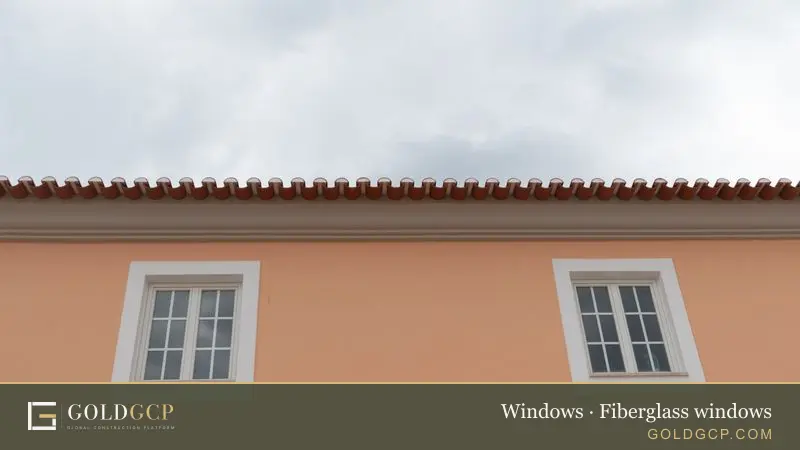
| Fiberglass window, installed | $690–$2,300 | $600–$2,000 |
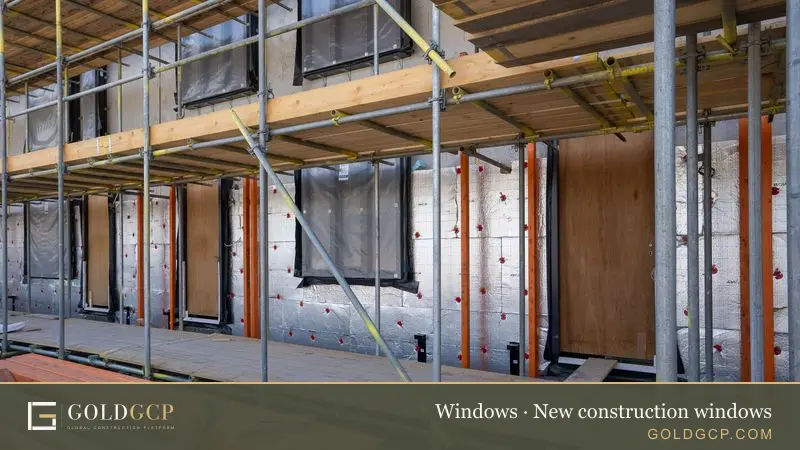
| Wood window, installed | $920–$3,450 | $800–$3,000 |
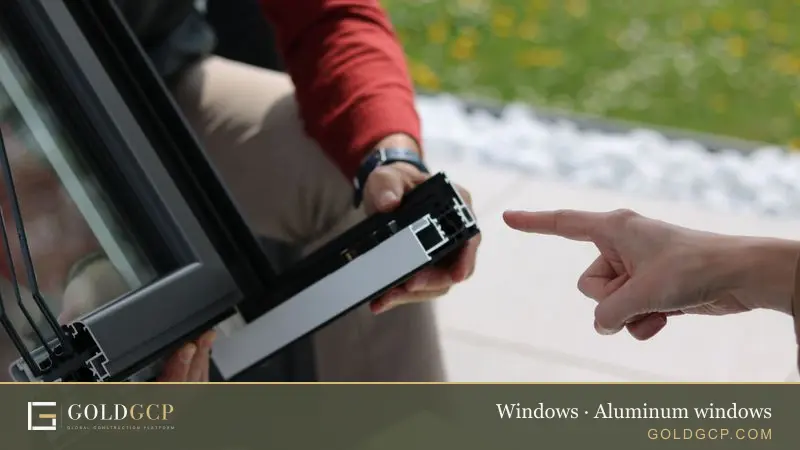
| Aluminum window, installed | $200–$1,150 | $175–$1,000 |
| Composite window, installed | $460–$2,650 | $400–$2,300 |
| 10 vinyl windows, installed | $4,000–$13,800 | $3,500–$12,000 |
| Bay window, vinyl | $1,300–$4,400 | $1,100–$3,850 |
| New trim, per window | $46–$140 | $40–$120 |
Estimates for 2026, including labor and standard parts. Philadelphia prices use the metro's construction cost factor of 1.15 (US average = 1.00) from the U.S. Army Corps of Engineers Area Cost Factors. Your quote depends on access, materials and the condition of the home.
These prices assume an insert (pocket) replacement in a standard opening. A full-frame replacement, where the installer takes the old frame out down to the studs, costs more because the wall finish around each opening has to be opened and patched. On a brick rowhouse that patch is masonry and plaster.
What raises a Philadelphia window quote:
- Lead-safe work. In a house built before 1978, the crew has to follow EPA lead-safe rules. That adds setup and cleanup time at every opening.
- Historic review. If the house is on the Philadelphia Register of Historic Places, the Historical Commission has to approve the window change before the permit is issued.
- Access. Rowhouses mean narrow stairs and no side yard. A third-floor window goes up the stairwell or over the roof, which takes time.
- Size and shape. A vinyl bay window runs $1,300 to $4,400 here. New trim adds $46 to $140 per window.
- Storm windows and screens. Many city houses still have separate storm panels. Ask whether the quote removes and reinstalls them or replaces them.
Price your own project with the cost estimator below, or open the full window cost estimator. Both use the rate for your ZIP code. For national prices and how window styles compare, see our window replacement guide.
Which window frame suits a Philadelphia house?
Philadelphia has one of the oldest housing stocks of any big city in the country. About 40% of homes were built before 1940, more than 80% before 1980, and the median home dates from 1949 (Census Reporter, ACS 2024). More than half of the city's homes are attached single-family houses such as rowhouses and twins. Those houses usually still have original double-hung wood windows with single panes. That is the usual reason owners start shopping.
| Frame | Philadelphia installed price per window | Where it fits here |
|---|---|---|
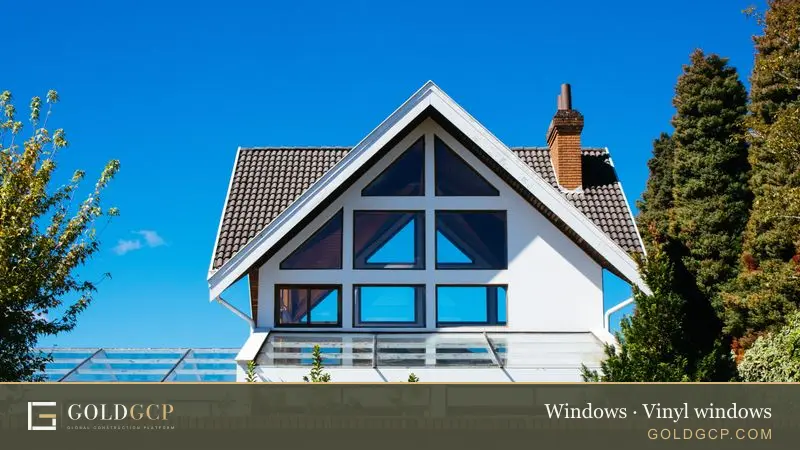
| Vinyl | $400 to $1,400 | Most rowhouses and twins; the usual value pick |
| Fiberglass | $690 to $2,300 | South- and west-facing walls; holds its shape through heat and cold |
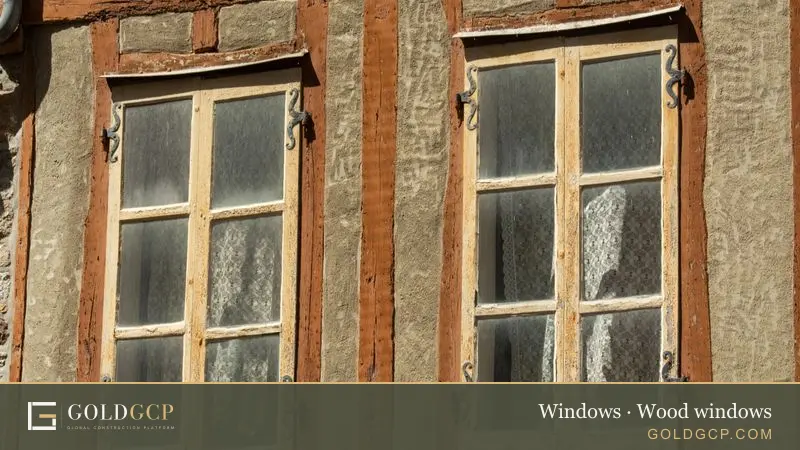
| Wood or clad wood | $920 to $3,450 | Historic districts and houses where the original look matters |
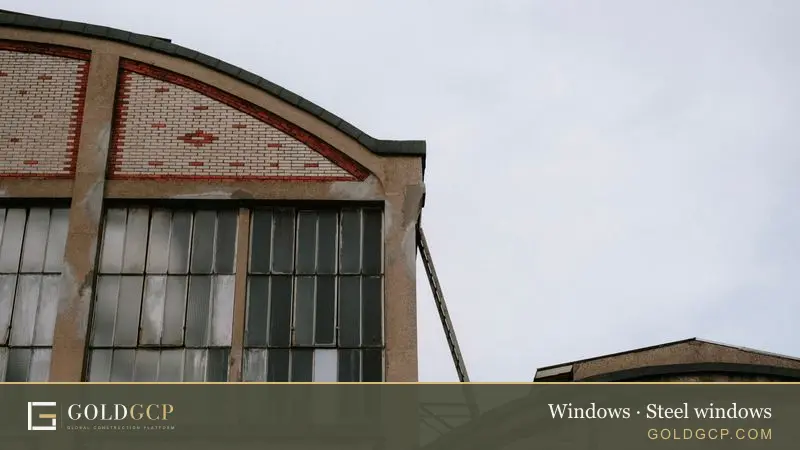
| Aluminum | $200 to $1,150 | Slim frames; choose a thermally broken model |
| Composite | $460 to $2,650 | Wood look with less upkeep |
Vinyl costs the least of the insulated frames, and our vinyl windows guide covers lifespan and color choices. For a wall that takes the afternoon sun, compare it with fiberglass windows. Fiberglass costs more but holds its shape through the swing between a cold January night and a hot July afternoon. Owners in Old City and Society Hill often want wood windows to keep the original look. The Historical Commission will usually ask for it. If you like the thin lines of mid-century aluminum, read our aluminum windows guide about thermal breaks before you buy.
Glass ratings for the Philadelphia climate
Philadelphia is a heating climate. The airport averages about 4,510 heating degree days a year against 1,358 cooling degree days, and about 77 nights a year drop to freezing or below (NOAA NCEI 1991 to 2020 normals). In most houses here the window's main job is keeping winter heat in. Two numbers on the NFRC label tell you how well it does that:
- U-factor measures heat loss. Lower is better.
- Solar heat gain coefficient (SHGC) measures how much of the sun's heat comes through the glass. In this climate you can accept a higher number, because winter sun on a south window is free heat.
The ENERGY STAR zone for Philadelphia
Philadelphia, Bucks, Chester, Delaware and Montgomery counties in Pennsylvania, Camden, Burlington and Gloucester counties in New Jersey, and New Castle County in Delaware all sit in IECC climate zone 4A, mixed-humid (DOE climate region guide). ENERGY STAR maps that zone to its Northern region. Ask the installer for the ENERGY STAR label for the Northern zone, and check the U-factor and SHGC printed on it. Our energy-efficient windows guide explains the labels in more detail.
What the energy code requires
Pennsylvania and Philadelphia moved to the 2021 International Energy Conservation Code for applications received on or after July 1, 2026 (Philadelphia Code Bulletin B-2501). New Jersey adopted its 2024/2023 codes on August 17, 2026 (NJ DCA). A replacement window has to meet the code's U-factor and SHGC limits for the climate zone. The installer should be able to show the rating on the order. Ask for it in writing before you sign.
Budget without a federal tax credit. The credit for energy-efficient windows does not apply to windows placed in service after December 31, 2025 (IRS).
Do you need a permit to replace windows in Philadelphia?
It depends on which side of the river you live on. This metro crosses three states, and each one has its own rule.
City of Philadelphia
For a one- or two-family house that is not on the Philadelphia Register of Historic Places, replacing doors and windows needs no building permit (City of Philadelphia, get a building permit). If the job changes the size of the opening, it is no longer a like-for-like swap. L&I lists exterior window and door replacement with no change in size as an EZ permit, approved without plans, usually within 5 business days (L&I EZ permits). Enlarging a window is an alteration and goes through a full building permit, with a $25 filing fee for a one- or two-family home and standard review of 15 business days (L&I building permit).
Philadelphia historic districts
If the house is on the Philadelphia Register of Historic Places, the Historical Commission has to approve the change first. Project review is required for the replacement of windows, storm windows and shutters, and L&I will not issue a building permit for a registered property without that approval (City of Philadelphia, historic property approval). There is no charge for the review, and it can be done in eCLIPSE or over the counter with staff. Replacing clear window glass and scraping and painting trim are maintenance and need no review. Commission staff approve more than 90% of building permit applications without referral to the full commission. A referral means a public hearing, so leave time in the schedule.
Suburban Pennsylvania
Bucks, Chester, Delaware and Montgomery counties enforce the Pennsylvania Uniform Construction Code through each township or borough, or through a certified third-party agency the owner hires. The state code exempts alterations to homes that make no structural change or change to means of egress. A minor framing change to replace existing windows is not a structural change (34 Pa. Code 403.1). But each municipality can require a permit under its own ordinance, so ask your township before work starts.
South Jersey
New Jersey's Uniform Construction Code is enforced by the municipal construction official in Cherry Hill, Camden County, Burlington County and Gloucester County (NJ DCA). Window replacement in the same opening without framing changes is ordinary maintenance and needs no permit (N.J.A.C. 5:23-2.7). Changing the size of the opening is not ordinary maintenance, so it needs a construction permit filed on UCC Form F100 with the building subcode section on Form F110 (NJ DCA permit forms). Bring one original plus three photocopies of each form to the local construction office.
Wilmington and New Castle County, Delaware
New Castle County requires a permit for all construction, including exterior improvements and alterations, unless the work is on the county's exempt list (New Castle County). Permits go through the county's eServices and ePlans system, with an initial prescreen review before the application goes to the plan reviewers (New Castle County, get a permit). The Department of Land Use is at 87 Reads Way in New Castle and answers permit questions at 302-395-5400. For a city address in Wilmington, ask the city's Department of Licenses and Inspections.
Bedroom windows, safety glass and security bars
Egress windows in bedrooms
Every sleeping room needs a window or door a person can climb out of in a fire. Older bedroom windows in rowhouses often fall short, especially where a later storm window or a deep sill narrows the opening. Ask the installer to measure the clear opening of each bedroom window before ordering. A casement usually opens wider than a slider of the same size. That helps in a small back bedroom.
Security bars
Bars, grilles and screens may cover a bedroom escape window only if they release from inside without a key or a tool. If old fixed bars sit in front of a bedroom window you are replacing, price quick-release hardware or new bars in the same job.
Where safety glass is required
Large, low windows need tempered or laminated glass. A window is a hazardous location when the pane is large, its bottom edge sits close to the floor, and someone can walk up to it. Windows next to a door or near a tub have their own rules. Your installer should mark these windows on the order.
Lead-safe work in older Philadelphia homes
With 40% of city homes built before 1940, most window jobs here disturb old paint. The EPA's Renovation, Repair and Painting rule says any paid work that disturbs paint in a pre-1978 home must be done by a certified firm using lead-safe practices. Window replacement is always covered (EPA). Expect plastic sheeting and careful cleanup around each opening. The firm must give you the "Renovate Right" pamphlet before it starts.
If you rent out the house, Philadelphia's lead law adds a step. Landlords of rental properties built before March 1978 need a lead-safe or lead-free certificate to get or renew a rental license. Lead-safe certificates completed after February 1, 2020 are valid for four years (City of Philadelphia lead law FAQ). Dust-wipe testing after the window work may be needed. Our Philadelphia painting guide covers the lead rules for trim and siding work.
When to schedule the work
Philadelphia gets about 44 inches of precipitation a year, fairly evenly spread, and about 23 inches of snow. February is the snowiest month at 8.4 inches (NOAA NCEI). Openings are exposed for a few hours during a change-out, so spring through fall is the easiest time. Custom windows can take several weeks to arrive after ordering, so order in late summer if you want the new windows in before the cold. A historic review adds time on top of that, so start it first.
How to check a window installer before you hire
Pennsylvania has no statewide license for window installers. The Department of Labor and Industry says the Commonwealth has no licensure or certification requirements for most construction contractors (PA L&I). The state does require registration under the Home Improvement Consumer Protection Act. Any contractor who performs at least $5,000 of home improvements a year must register with the Attorney General's Office. The registration number has to appear on ads, contracts and estimates (PA Attorney General). Windows are covered work under the Act.
- Look up the registration on the Attorney General's contractor search. It only shows active registrations. Registration is not an endorsement of the contractor's work.
- In the City of Philadelphia, a PA-registered home improvement contractor does not need a Philadelphia Contractor License for work on an existing one- or two-family home. It must still show its registration and insurance to get permits (City of Philadelphia).
- In South Jersey, the installer must be registered with the NJ Division of Consumer Affairs as a Home Improvement Contractor. An unregistered contractor will not be issued a municipal construction permit (NJ consumer brief).
- In Delaware, ask for the contractor's Delaware business license from the Division of Revenue.
- For a pre-1978 house, ask for the firm's EPA lead-safe certification.
- Get the window line, frame material, U-factor and SHGC, and insert or full-frame method in writing.
- Keep the deposit within the law. On a Pennsylvania contract over $5,000, a contractor may not take a deposit of more than one-third of the price, or one-third plus the cost of special-order materials named in the contract (HICPA). You also have three business days to cancel the contract without penalty.
Every installer in the GOLDGCP network passes six-step vetting: license verification, an insurance check, a background and business check, a portfolio review, client reference calls, and onboarding with a quality score. You pay in milestones, each one after you approve that stage. Read more about how milestone payments work.
Areas we cover
GOLDGCP window installers work across greater Philadelphia, South Jersey and northern Delaware:
- Philadelphia
- The Main Line
- Bucks County
- Delaware County
- Cherry Hill
- South Jersey, including Camden, Burlington and Gloucester counties
- Wilmington
Enter your ZIP code to see window prices for your street and get matched with a local installer.
How GOLDGCP works
- Tell us about the windows: how many, the frame you have now, and any that stick, leak or won't lock. Use the form, call or send a WhatsApp message.
- See prices for your ZIP code, then get matched with up to 3 vetted, licensed installers.
- Your installer measures each opening, confirms the ratings and pulls the permit or the historic review if your house needs one.
- You pay by milestone, for example after the windows arrive and after the final inspection, and follow the job in the client portal.
For new doors at the same time, see our entry doors guide. If the window work is part of a bigger renovation, our Philadelphia roofing guide covers the roof side.
Frequently asked questions
How much does window replacement cost in Philadelphia?
A vinyl replacement window costs about $400 to $1,400 installed in Philadelphia, fiberglass $690 to $2,300 and wood $920 to $3,450. Ten vinyl windows run about $4,000 to $13,800. Full-frame replacement costs more than an insert. Bay or custom windows cost more again.
Do I need a permit to replace windows in Philadelphia?
In a one- or two-family city house that is not on the historic register, a same-size window swap needs no building permit. A size change goes through an EZ permit or a full building permit. In South Jersey, same-opening replacement is ordinary maintenance with no permit. New Castle County, Delaware requires a permit unless the work is on its exempt list.
What U-factor do replacement windows need in Philadelphia?
Philadelphia sits in IECC climate zone 4A, and ENERGY STAR maps that zone to its Northern region. Ask for the ENERGY STAR label for the Northern zone and check the U-factor and SHGC printed on it. The installer should show the rating on the order in writing before you sign.
Can I replace windows in a Philadelphia historic district?
Yes, but the Historical Commission has to approve the change first. Project review is required for window replacement on a registered property. L&I will not issue a building permit without it. There is no charge for the review, and staff approve most applications without a hearing.
Do bedroom windows have to meet egress rules in Philadelphia?
Every sleeping room needs a window or door a person can climb out of in a fire. Older rowhouse bedroom windows often fall short once a storm window or a deep sill narrows the opening. Have the installer measure the clear opening of each bedroom window before ordering.
Do window installers need a license in Pennsylvania?
Pennsylvania has no statewide license for window installers. Contractors who do at least $5,000 of home improvements a year must register with the Attorney General's Office under the Home Improvement Consumer Protection Act. Check the registration at the Attorney General's contractor search before you sign.
When should I replace windows in Philadelphia?
Spring through fall. Philadelphia gets about 44 inches of precipitation a year, and openings are exposed for a few hours during each change-out. Custom windows can take several weeks to arrive, so order by late summer if you want them in before the cold.
How we calculate these prices
GOLDGCP starts from national price ranges for each job, taken from published 2026 cost guides and checked against local price guides where they exist. To get a local price, we multiply the national range by the construction cost factor for the metro from the U.S. Army Corps of Engineers Area Cost Factors (US average = 1.00). Where that table has no entry for a metro, we use the nearest listed location or the state value. For ZIP codes outside the 50 largest metros, the cost estimator uses the state's price level from the Bureau of Economic Analysis Regional Price Parities. Ranges include labor and standard materials but not unusual site conditions, so a written quote after an inspection is always the final price.
Sources
- Census Reporter
- NOAA · NOAA
- energy.gov
- City of Philadelphia · City of Philadelphia
- New Jersey Department of Community Affairs · New Jersey Department of Community Affairs
- irs.gov
- City of Philadelphia · City of Philadelphia
- City of Philadelphia · City of Philadelphia
- City of Philadelphia · Get approval for work to a historic property
- pacodeandbulletin.gov
- New Jersey Department of Community Affairs · NJ Department of Community Affairs
- New Jersey Department of Community Affairs · New Jersey Department of Community Affairs
- New Jersey Department of Community Affairs · New Jersey Department of Community Affairs
- New Castle County, DE · Figure Out What Permits You Need
- New Castle County, DE · New Castle County, DE
- U.S. EPA
- City of Philadelphia · City of Philadelphia
- NOAA · NOAA
- Pennsylvania Department of Labor and Industry
- Pennsylvania Office of Attorney General · Home Improvement Contractor Registration
- Pennsylvania Office of Attorney General · Home Improvement Contractor Search
- City of Philadelphia · City of Philadelphia
- New Jersey Division of Consumer Affairs
- Pennsylvania Office of Attorney General · Pennsylvania Office of Attorney General
- U.S. Army Corps of Engineers
- U.S. Bureau of Economic Analysis

About this guide
Written by the GOLDGCP editorial team. Prices come from national cost guides adjusted with official construction cost factors for Philadelphia; rules and statistics come from the agencies and reports linked in the text. We update this page when prices or codes change.