How much do aluminum windows cost?
Quick answer
Aluminum windows cost about $175 to $1,000 per window installed, according to HomeGuide, which makes aluminum the cheapest common frame. Fixr's comparison puts it at $200 to $800. The catch is heat flow: bare aluminum conducts heat quickly, so anywhere with cold winters you want a thermally broken frame.
| Job | US average (typical range) | Typical |
|---|---|---|
| Vinyl window, installed | $350–$1,200 | $650 |
| Fiberglass window, installed | $600–$2,000 | $1,100 |
| Wood window, installed | $800–$3,000 | $1,500 |
| Aluminum window, installed | $175–$1,000 | $590 |
| Composite window, installed | $400–$2,300 | $1,350 |
| 10 vinyl windows, installed | $3,500–$12,000 | $6,500 |
| Bay window, vinyl | $1,100–$3,850 | $2,100 |
| New trim, per window | $40–$120 | $75 |
US national averages for 2026, labor and standard materials included, from published cost guides (sources at the end of this page). Local prices differ: see the city table below, or enter your ZIP code in the calculator.
Standard aluminum and thermally broken aluminum
Two very different products are sold under the name "aluminum window," and the difference is not visible from the street.
A standard, or non-thermal, aluminum frame is one continuous piece of metal from the outside face to the inside face. Heat moves through it easily. The Efficient Windows Collaborative, whose frame guide is now published as the National Fenestration Rating Council (NFRC) consumer guide, calls this high thermal conductance the material's biggest disadvantage.
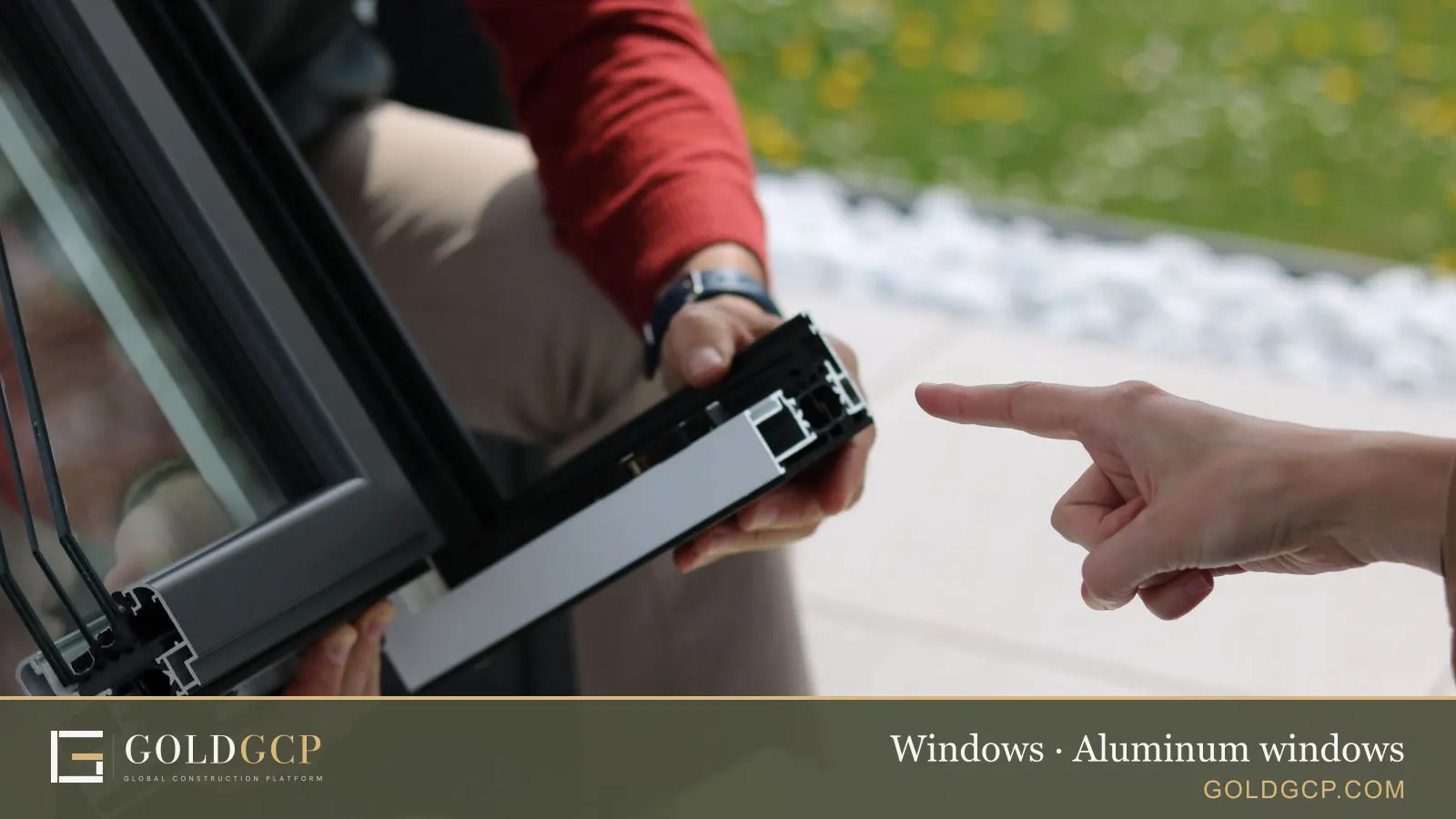
A thermally broken frame is cut into an interior half and an exterior half, and the two halves are joined by a strip of less conductive material. That strip interrupts the metal path. According to the same guide, standard thermal breaks have lowered aluminum frame U-factors from roughly 2.0 to about 1.0. Lower is better, and that is a 50% cut in heat flow through the frame.
For comparison, wood frames rate about 0.30 to 0.50. So even a thermally broken aluminum frame loses more heat than wood. What the break mainly buys you is a warmer interior surface, which matters for the next point.
Why condensation decides it in cold climates
In winter, a non-thermal aluminum frame can get cold enough on the inside for moisture to condense on it, or even frost over. The Efficient Windows Collaborative says this condensation problem, more than heat loss itself, is what pushed manufacturers to develop thermally broken frames.
ENERGY STAR notes that aluminum frame designs typically include thermal breaks for exactly this reason. If you live anywhere with a real winter, treat the thermal break as a requirement and confirm it on the product sheet.
What drives the price
National figures cluster at the low end of the window market:
| Source | Basis | Price per window |
|---|---|---|
| HomeGuide | Installed, by size and type | $175 to $1,000 |
| Fixr | Per window, material comparison table | $200 to $800 |
These ranges mostly describe standard residential sliders and single-hung units. The things that push an aluminum quote higher are:
- A thermal break.
- Larger glass, especially floor-to-ceiling units and multi-panel sliders.
- Upgraded glass: low-E coatings, argon fill or impact-rated laminated glass.
- Custom colors and finishes, including dark bronze and black.
- Commercial-grade or architectural systems with narrow sightlines.
One aluminum window manufacturer's 2026 price guide calls the thermal break the single biggest variable in frame material cost and puts the upgrade at about $100 to $200 per window in materials. We could not find an independent national installed range for thermally broken units alone, so ask every installer to state in writing whether the frame is thermally broken. Two quotes that look far apart can simply be a non-thermal frame against a thermal one.
Run your own numbers by window count and ZIP code below.
Where aluminum works and where it doesn't
Climate matters more for aluminum than for any other frame.
Hot and sunny regions
In hot climates, the Efficient Windows Collaborative says solar heat gain through the glass usually matters more than heat conducted through the frame. Improving the frame is much less important there than choosing glass with a low solar heat gain coefficient. Spend the money on the glass package before the frame.
Cold and mixed regions
Where winters are cold, a non-thermal aluminum frame risks condensation and frost on the inside and adds noticeably to heat loss. A thermally broken frame with good double or triple glazing is the minimum. Even then, vinyl, fiberglass and wood frames insulate better, so aluminum is a choice you make for looks, slimness or strength, not for efficiency.
Coastal areas
Near salt water, ask what finish and hardware the manufacturer specifies for coastal sites. If your area requires impact protection, the specific window must be an approved impact product; see our impact windows page.
Durability, lifespan and upkeep
ENERGY STAR describes aluminum frames as durable and low maintenance. Fixr's material comparison puts the lifespan at 40 to 50 years.
Upkeep is mostly about keeping the moving parts and drainage clear:
- Rinse sill tracks and clear weep holes so water drains outside.
- Wash frames with mild soap and water.
- Lubricate rollers on sliders and replace worn weatherstripping.
- On older non-thermal units, watch for condensation damage on the sill and wall below.
Aluminum also has a recycling story. ENERGY STAR says aluminum frames are recyclable and typically contain at least 15% recycled content.
Steel-look aluminum
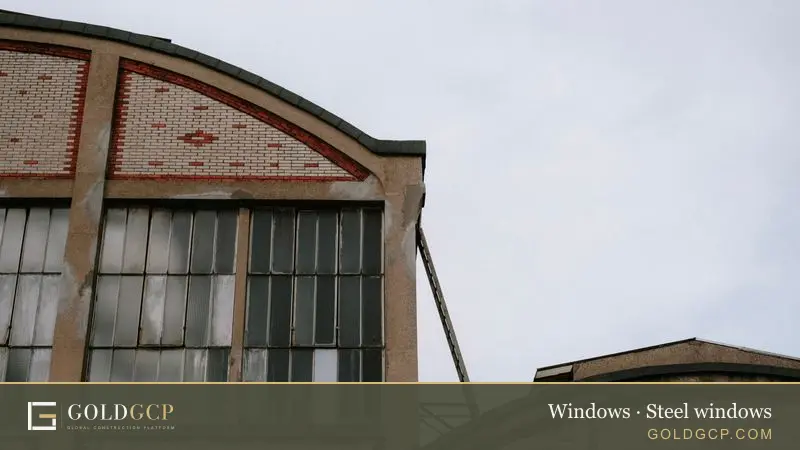
Many homeowners who want the thin black grid of a steel window choose aluminum instead. Manufacturers make steel-replica aluminum windows that reproduce the narrow sightlines, muntin patterns and profiles of historic steel sash, and some of these lines are thermally broken. They are common in restoration and adaptive reuse work where the look must match original steel windows.
Real steel costs more and needs recoating to hold off rust. Angi estimates recoating about every five years at around $200 per window. If you are weighing the two, our steel windows guide covers cost, rust and repair in detail.
Pros and cons of aluminum windows
Reasons to choose aluminum:
- Lowest upfront cost of the common frame materials.
- Suits narrow sightlines, as steel-replica lines show.
- Durable and low maintenance, per ENERGY STAR.
- Recyclable, with recycled content in most frames.
- Works well with modern and steel-look designs.
Reasons to think twice:
- Conducts heat far more than vinyl, fiberglass or wood, even with a thermal break.
- Non-thermal frames can sweat or frost inside in cold weather.
- Thermally broken models cost more, and quotes do not always say which kind you are getting.
Aluminum compared with other frames
| Frame | Installed cost per window | Heat flow through the frame | Typical lifespan | Good fit |
|---|---|---|---|---|
| Aluminum, standard | $175 to $1,000 | High (U about 2.0) | 40 to 50 years | Mild climates, budget jobs |
| Aluminum, thermally broken | Above standard; ask for a quote | Moderate (U about 1.0) | 40 to 50 years | Modern homes in mixed climates |
| Vinyl | $200 to $1,500 | Low | 20 to 40 years | Most budgets and climates |
| Fiberglass | $400 to $2,000 | Low | 30 to 50 years | Cold winters, hot summers |
| Wood | $800 to $3,800 | Low (U 0.30 to 0.50) | 30 to 60 years | Historic and traditional homes |
| Steel | $700 to $2,000 | High without a thermal break | 10 to 20 years, some 40+ | Design-led homes, very slim frames |
Installed costs come from HomeGuide, except steel from Angi. Frame U-factors come from the Efficient Windows Collaborative. Lifespans come from Fixr, HomeGuide and Angi.
If efficiency is your main goal, read our guides to vinyl windows, fiberglass windows and energy-efficient windows. If you love wood inside but want metal outside, an aluminum-clad wood window is another route.
Questions to ask before you sign
- Is the frame thermally broken? Get the product series and the NFRC label values, including U-factor and condensation resistance if listed.
- Does the window meet ENERGY STAR criteria for your climate zone? If not, by how much does it miss?
- What finish is on the frame, and what does the manufacturer say about coastal or high-sun exposure?
- Is this a replacement insert or a new construction unit with a nailing fin, and how will the opening be flashed?
- How will the installer seal the gap between the frame and the wall, and will the sill drain to the outside?
- What is the lead time for custom colors or large sizes?
How GOLDGCP helps
With GOLDGCP you see window prices for your ZIP code up front, before a single site visit. We then introduce you to 3 licensed installers who have each cleared our six vetting steps: state license verification, an insurance check, a background and business check, a portfolio review, client reference calls, and onboarding with a quality score. Payments go out in milestones that you approve one stage at a time, and you can track the job in the client portal. Our windows and doors showroom has frame samples, and the doors hub covers sliding and patio doors in aluminum.
Find an aluminum window installer near you
Type in your ZIP code to compare local aluminum window prices and meet installers who serve your area.
Prices for every frame material and window style are on the windows hub.
Frequently asked questions
Are aluminum windows cheaper than vinyl?
Usually, yes. HomeGuide puts aluminum at $175 to $1,000 installed and vinyl at $200 to $1,500, and Fixr's comparison puts it at $200 to $800 per window. Thermally broken aluminum costs more than basic aluminum, so compare like with like.
What is a thermally broken aluminum window?
It is an aluminum frame split into inside and outside pieces joined by a less conductive material. The Efficient Windows Collaborative says standard thermal breaks cut frame U-factors from about 2.0 to about 1.0, which reduces heat loss and keeps the inside of the frame warmer.
Do aluminum windows cause condensation?
Non-thermal aluminum frames can. In cold weather the inside of the frame can get cold enough for moisture to condense or frost on it. Thermally broken frames reduce that risk, and good indoor ventilation helps too.
Are aluminum windows energy efficient?
Less so than vinyl, fiberglass or wood frames, because aluminum conducts heat. A thermal break and a good glass package close much of the gap. In hot climates, the glass's solar heat gain rating matters more than the frame.
How long do aluminum windows last?
Fixr gives aluminum windows a lifespan of 40 to 50 years. ENERGY STAR describes the frames as durable and low maintenance. Weatherstripping, rollers and seals wear out sooner and should be replaced as needed.
Can aluminum windows look like steel windows?
Yes. Manufacturers make steel-replica aluminum windows with narrow sightlines and grid patterns modeled on historic steel sash, including thermally broken versions. They cost less than real steel and avoid the regular recoating that steel needs to prevent rust.
How we calculate these prices
GOLDGCP starts from national price ranges for each job, taken from published 2026 cost guides and checked against local price guides where they exist. To get a local price, we multiply the national range by the construction cost factor for the metro from the U.S. Army Corps of Engineers Area Cost Factors (US average = 1.00). For ZIP codes outside the 50 largest metros, the calculator uses the state's price level from the Bureau of Economic Analysis Regional Price Parities. Ranges include labor and standard materials but not unusual site conditions, so a written quote after an inspection is always the final price.
Sources
- How much does window replacement cost? · HomeGuide
- Window Technologies: Frame Types, Metal Frames · Efficient Windows Collaborative / NFRC
- Window Technologies: Frame Types, Non-metal Frames · Efficient Windows Collaborative / NFRC
- What makes it ENERGY STAR? · ENERGY STAR
- How Much Do Wood Windows Cost? · Fixr
- Historic-Replica and Steel-Replica Aluminum Windows · Boyd Aluminum
- How Much Do Steel Windows Cost? · Angi
- Aluminum Windows Price List 2026 · Hugh Aluminum

About this guide
Written by the GOLDGCP editorial team. Prices come from national cost guides; rules and statistics come from the agencies and reports linked in the text. We update this page when prices or codes change.