Are fiberglass windows worth the price?
Quick answer
Fiberglass windows usually cost $500 to $1,500 per window installed, which is roughly 50% to 100% more than comparable vinyl. In return you get a stiffer, slimmer frame that moves with the glass in heat and cold and often lasts 30 to 50 years. They make the most sense in climates with big temperature swings and in homes you plan to keep.
| Job | US average (typical range) | Typical |
|---|---|---|
| Vinyl window, installed | $350–$1,200 | $650 |
| Fiberglass window, installed | $600–$2,000 | $1,100 |
| Wood window, installed | $800–$3,000 | $1,500 |
| Aluminum window, installed | $175–$1,000 | $590 |
| Composite window, installed | $400–$2,300 | $1,350 |
| 10 vinyl windows, installed | $3,500–$12,000 | $6,500 |
| Bay window, vinyl | $1,100–$3,850 | $2,100 |
| New trim, per window | $40–$120 | $75 |
US national averages for 2026, labor and standard materials included, from published cost guides (sources at the end of this page). Local prices differ: see the city table below, or enter your ZIP code in the calculator.
What a fiberglass frame actually is
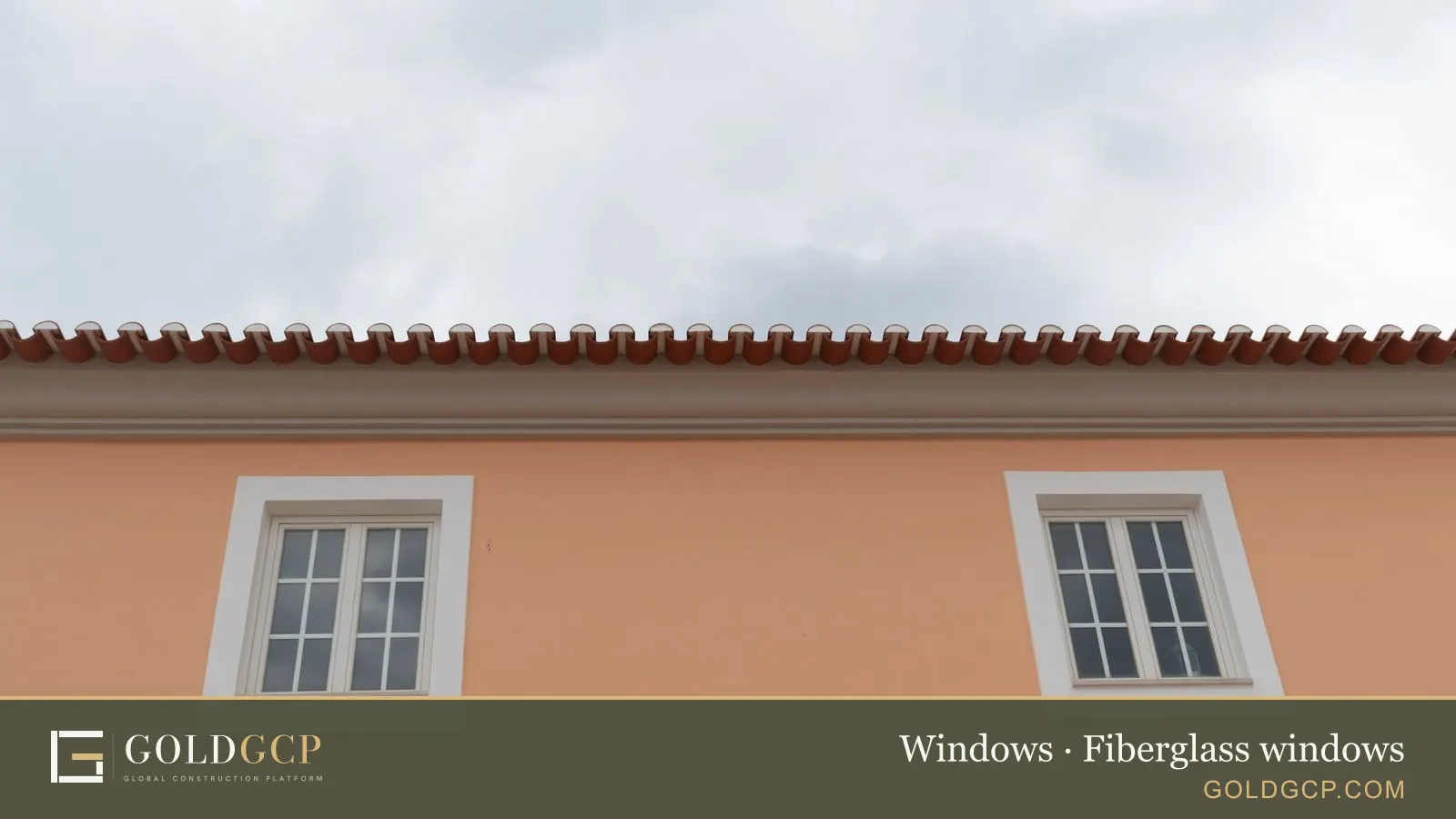
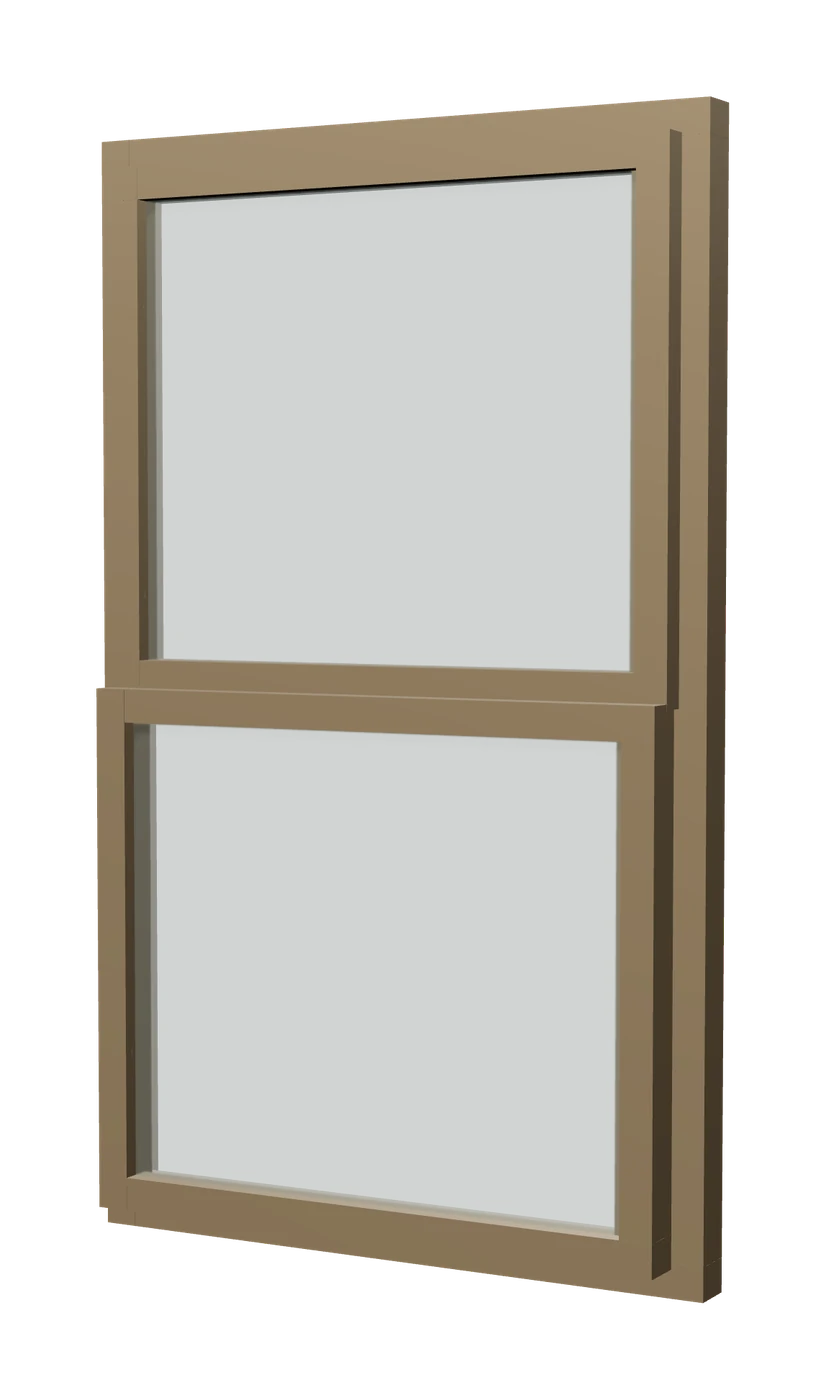
A fiberglass window frame is made from glass fibers bound with resin and formed into long hollow profiles. The cavities inside can be left empty or filled with foam insulation, according to ENERGY STAR. HomeGuide describes the cured material as more thermally stable than vinyl, with less risk of warping in heat.
Two things follow from that. First, the frame is rigid, so manufacturers can make it thinner and still carry a large pane. Second, fiberglass expands and contracts at nearly the same rate as the glass it holds, which HomeGuide points to as its main technical advantage. When frame and glass move together, the seals between them are under less stress year after year.
Do not confuse fiberglass with composite. Composite frames blend materials such as wood fiber and PVC, and they are priced and marketed differently. Some brands also sell windows with a fiberglass exterior and a wood interior, which is a hybrid rather than a solid fiberglass unit. Ask which one a quote describes.
Fiberglass window prices
Sources do not agree perfectly on price, because they survey different product tiers. Here is how the main national figures line up:
| Source | What it measures | Price |
|---|---|---|
| HomeGuide | Installed, per window | $500 to $1,500 |
| HomeGuide | Installed, wider range across all sizes | $400 to $2,000 |
| Fixr | Prefab double-hung, installed | $675 to $1,100 |
| Fixr | Custom double-hung, installed | $890 to $2,200 |
| This Old House | Average paid in its 2026 survey | $564 |
HomeGuide splits the market into two tiers. Budget fiberglass runs $500 to $900 installed, of which $300 to $550 is the window itself. Premium lines run $900 to $1,500 installed, with $500 to $900 for the unit. The gap between tiers is mostly glass package, finish and hardware.
Whole-house budgets
For ten windows, HomeGuide puts budget fiberglass at $5,000 to $9,000 and premium fiberglass at $9,000 to $15,000. Fixr's figure for ten prefab double-hung units with double-pane low-E glass is $6,750 to $11,000, with most homeowners paying about $7,500.
Custom sizes cost more. Fixr says made-to-order fiberglass windows run 30% to 100% above prefab units of the same type, and they take longer to arrive. If your openings are standard sizes, a prefab line keeps the budget down.
Labor
Fixr puts installation labor for a fiberglass replacement window at $100 to $300 per window, and the rate drops as the job gets bigger:
| Windows on the job | Labor per window |
|---|---|
| 1 to 4 | $100 to $300 |
| 5 to 9 | $90 to $280 |
| 10 to 19 | $85 to $265 |
| 20 or more | $80 to $240 |
Use the calculator below to price your own window count with your ZIP code's labor rates.
Thermal performance: the frame and the glass
ENERGY STAR lists fiberglass among frame materials that insulate well, alongside vinyl and wood. Foam-filled profiles insulate better than hollow ones, so ask whether the line you are quoted has filled cavities.
Keep the frame in proportion, though. A window is mostly glass, and HomeGuide notes that the glass package does more for U-factor and solar heat gain than the choice between fiberglass and vinyl. Low-E coatings, argon or krypton fill and a third pane all move the numbers more than the frame does. The fair way to compare two windows is the NFRC label on each, which reports whole-window ratings rather than frame claims.
One honest weak spot: air leakage. Premium vinyl windows have fusion-welded corners, melted together into one piece. Fiberglass corners are joined with brackets or screws, and HomeGuide reports that some fiberglass windows leak more air than their vinyl counterparts as a result. Look for the air leakage rating on the product sheet and compare it directly.
For a deeper look at glass coatings and ratings by climate zone, see our guide to energy-efficient windows.
How long fiberglass lasts and what wears out
HomeGuide gives fiberglass a typical life of 30 to 50 years, against 20 to 40 years for vinyl, and its window cost guide says fiberglass tends to outlast every other frame material. Fixr puts the upper end at 50 years or more.
The frame itself rarely fails. What needs attention over those decades is the surface:
- Paint finish. Most fiberglass frames are painted at the factory. HomeGuide notes the finish can fade or chalk over time and may eventually need repainting. The upside is that fiberglass accepts paint, so you can change the color later, which vinyl does not allow well.
- Chips. The material is rigid, so a dropped frame or a careless pry bar can chip or crack it during installation. Inspect every frame before the crew leaves and get touch-ups done on the spot.
- Seals and weatherstripping. These are wear parts on every window type and get replaced long before the frame does.
Routine care is simple: wash the frames with mild soap and water, keep the weep holes in the sill clear, and lubricate the hardware periodically, as HomeGuide recommends for both fiberglass and vinyl.
Climate fit
HomeGuide's climate comparison gives fiberglass a slight edge over vinyl in places with very cold winters or very hot summers, because the frame moves less as temperatures swing. In humid and coastal regions it calls the two materials a tie, since neither rots or rusts. In mild climates the performance difference is small enough that vinyl is usually the better value.
In hurricane or high-wind zones, the frame material matters less than the tested rating of the specific product. Compare design pressure (DP) ratings, and if your county requires impact protection, the window has to be an approved impact product. Our page on impact windows explains those requirements.
Pros and cons of fiberglass windows
What works in its favor:
- Very stable in temperature swings, so seals stay tight longer.
- Strong enough for narrow frames and more visible glass.
- Paintable, with many factory colors and dual-color options.
- Long service life with no rot, rust or insect damage.
What to weigh against it:
- Costs roughly 50% to 100% more than vinyl of the same size.
- Corners are mechanically joined, and some models leak more air than welded vinyl.
- Factory paint can fade and chips need touching up.
- Fewer product lines. Fixr notes some makers offer only one or two fiberglass series.
- Harder to recycle than vinyl, according to HomeGuide.
Be skeptical of strength claims. HomeGuide points out that "five to ten times stronger than vinyl" comparisons are usually made against bargain-grade vinyl. Ask for the DP rating instead.
Fiberglass compared with other frames
| Frame | Installed cost per window | Typical lifespan | Upkeep | Where it fits |
|---|---|---|---|---|
| Fiberglass | $400 to $2,000 | 30 to 50 years | Low; occasional repaint | Cold or hot climates, long ownership |
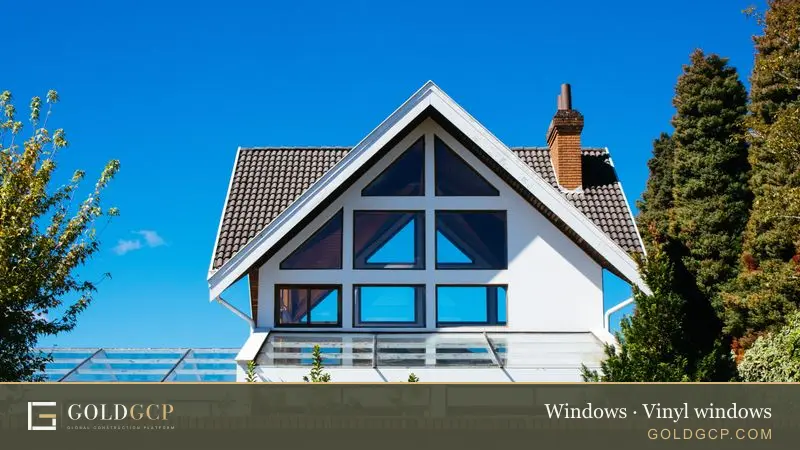
| Vinyl | $200 to $1,500 | 20 to 40 years | Lowest | Mild climates, tight budgets |
| Aluminum | $175 to $1,000 | 40 to 50 years | Low | Mild climates, modern looks |
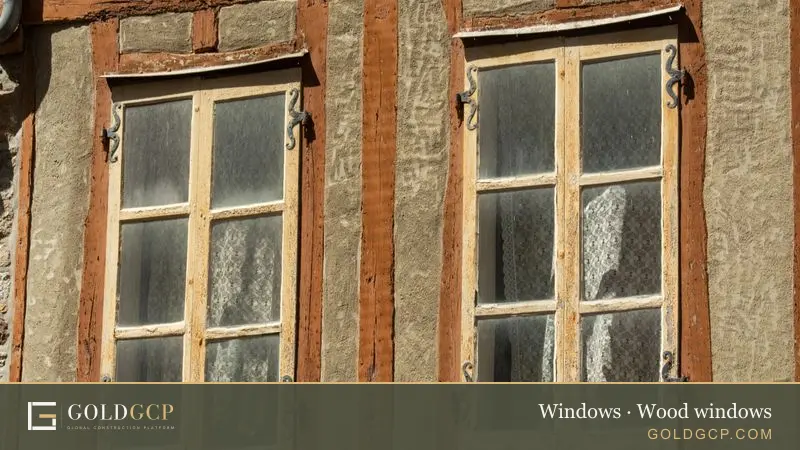
| Wood | $800 to $3,800 | 30 to 60 years | High | Historic homes, interior wood look |
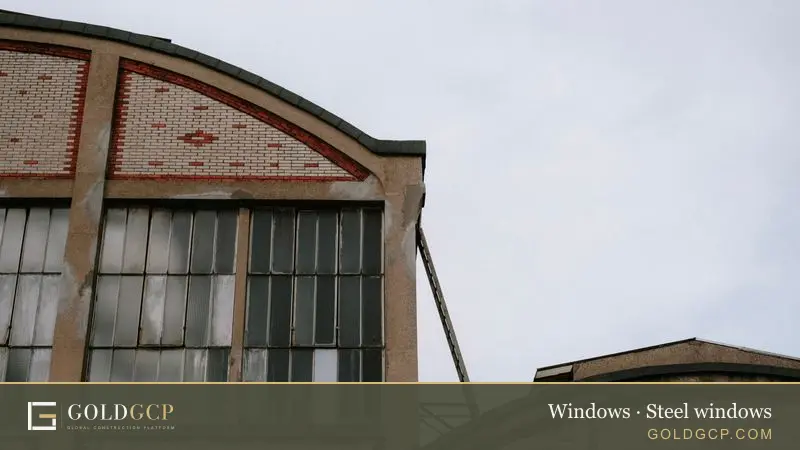
| Steel | $700 to $2,000 | 10 to 20 years, some 40+ | Moderate | Narrow sightlines, design-led homes |
Costs are installed national ranges from HomeGuide, except steel, which comes from Angi. Lifespans for fiberglass and vinyl are from HomeGuide, aluminum and wood from Fixr, and steel from Angi.
The closest rivals are vinyl and wood. If budget is the deciding factor, read our vinyl windows guide. If you want real wood inside the room, a wood or clad-wood window may suit you better, at a higher price and with more upkeep. For slim, dark modern frames, compare aluminum windows and steel windows.
Replacement or new construction?
Most fiberglass windows sold for existing homes are replacement units that fit into the old frame or into the rough opening after the old frame comes out. In new framing, the window goes in before siding and drywall, so labor is simpler. If you are building or adding on, see new construction windows for how nail-fin units differ from replacement inserts.
How to hire a fiberglass window installer
- Get the exact product series in writing. "Fiberglass" can mean solid fiberglass, a fiberglass and wood hybrid, or a composite. The series name settles it.
- Ask for the NFRC label values: U-factor, solar heat gain coefficient and air leakage. Compare these between quotes instead of brochure claims.
- Confirm whether frame cavities are foam filled and which glass package is included.
- Ask how the crew handles and stores fiberglass frames on site, and agree that any chips will be touched up before final payment.
- Check whether the quote is insert or full-frame replacement, and why that method fits your openings.
- Ask about lead time, especially for custom sizes or colors.
GOLDGCP shows window prices for your ZIP code before anyone visits, then matches you with 3 vetted, licensed installers. Each one has passed state license verification, an insurance check, a background and business check, a portfolio review and client reference calls. You pay in milestones, and you pay each one only after you approve that stage of the work. You can also see frame samples at our windows and doors showroom, and if the job includes patio or entry doors, start at our doors hub.
Find a fiberglass window installer near you
Enter your ZIP code to see local fiberglass window prices and get matched with vetted installers who work in your area.
For prices on every frame type and style, go back to the windows hub.
Frequently asked questions
How much do fiberglass windows cost?
Most fiberglass windows cost $500 to $1,500 each installed, according to HomeGuide, with budget lines at the low end and premium lines near the top. Ten windows typically run $5,000 to $15,000. Custom sizes can cost 30% to 100% more than standard prefab units.
Are fiberglass windows better than vinyl?
They are stiffer, move less with temperature and usually last longer: 30 to 50 years against 20 to 40 for vinyl, per HomeGuide. Vinyl costs less, never needs paint and often seals tighter at the corners. In mild climates vinyl is usually the better value.
How long do fiberglass windows last?
HomeGuide puts the typical life at 30 to 50 years, and Fixr says 50 years or more is possible. The frame itself rarely fails. Seals, weatherstripping and the painted finish are what need attention during that time.
Can you paint fiberglass windows?
Yes. Fiberglass accepts paint, and most frames come factory painted in a range of colors. The finish can fade or chalk over many years, so plan on an eventual repaint. Use a paint system the manufacturer approves for fiberglass.
Do fiberglass windows save energy?
ENERGY STAR lists fiberglass frames as good insulators, especially when the cavities are foam filled. Most of a window's efficiency comes from the glass package, though, so compare NFRC U-factor and solar heat gain ratings rather than frame material alone.
Are fiberglass windows good in hot climates?
Yes. HomeGuide rates fiberglass as more thermally stable than vinyl, with less risk of warping, which gives it a slight edge in very hot regions. Pair the frame with a low solar heat gain glass package, which matters more for cooling bills than the frame.
How we calculate these prices
GOLDGCP starts from national price ranges for each job, taken from published 2026 cost guides and checked against local price guides where they exist. To get a local price, we multiply the national range by the construction cost factor for the metro from the U.S. Army Corps of Engineers Area Cost Factors (US average = 1.00). For ZIP codes outside the 50 largest metros, the calculator uses the state's price level from the Bureau of Economic Analysis Regional Price Parities. Ranges include labor and standard materials but not unusual site conditions, so a written quote after an inspection is always the final price.
Sources
- Vinyl vs. fiberglass windows: cost, pros & cons · HomeGuide
- How much does window replacement cost? · HomeGuide
- How much does it cost to install a fiberglass window? · Fixr
- How Much Do Wood Windows Cost? · Fixr
- What makes it ENERGY STAR? · ENERGY STAR
- Window Replacement Cost (2026) · This Old House
- How Much Do Steel Windows Cost? · Angi

About this guide
Written by the GOLDGCP editorial team. Prices come from national cost guides; rules and statistics come from the agencies and reports linked in the text. We update this page when prices or codes change.