How much do steel windows cost?
Quick answer
Most steel windows cost $700 to $2,000 each installed, with an average near $1,000, according to Angi. By area, that works out to about $80 per square foot, within a range of $50 to $120. Big picture units and bay windows climb past $5,000. Plan on recoating every few years, because steel rusts when its finish fails.
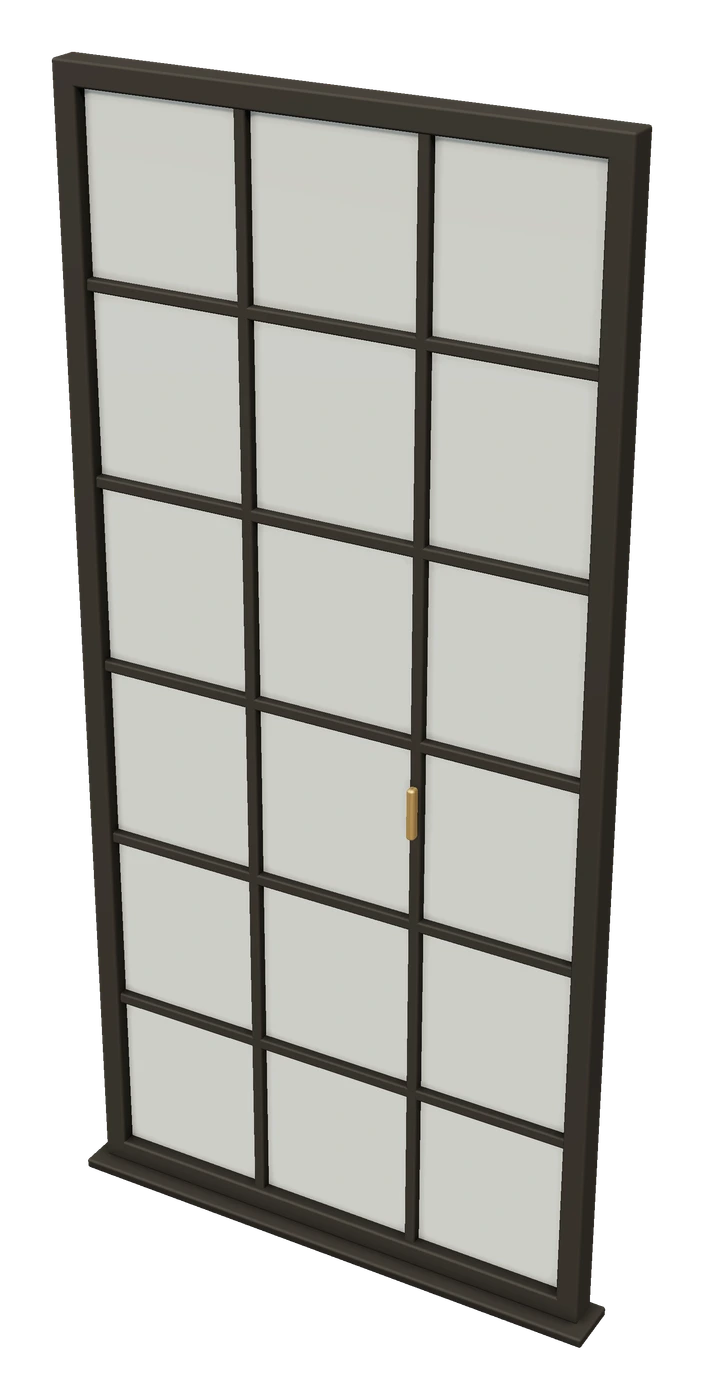
| Job | US average (typical range) | Typical |
|---|---|---|
| Vinyl window, installed | $350–$1,200 | $650 |
| Fiberglass window, installed | $600–$2,000 | $1,100 |
| Wood window, installed | $800–$3,000 | $1,500 |
| Aluminum window, installed | $175–$1,000 | $590 |
| Composite window, installed | $400–$2,300 | $1,350 |
| 10 vinyl windows, installed | $3,500–$12,000 | $6,500 |
| Bay window, vinyl | $1,100–$3,850 | $2,100 |
| New trim, per window | $40–$120 | $75 |
US national averages for 2026, labor and standard materials included, from published cost guides (sources at the end of this page). Local prices differ: see the city table below, or enter your ZIP code in the calculator.
Why people choose steel
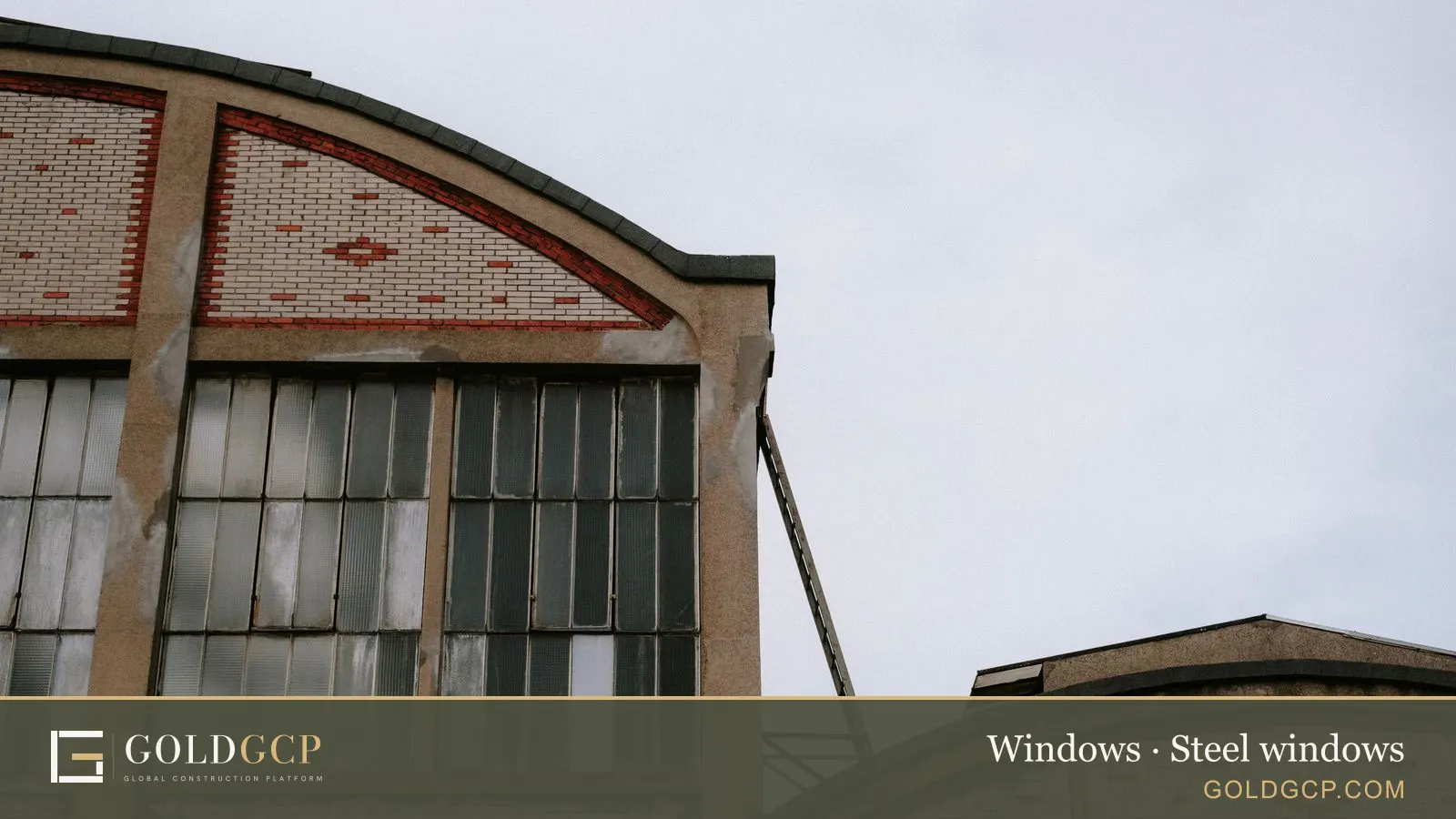
Steel is the frame behind the thin grids of old factory windows, Art Deco buildings and 1920s cottage casements. Its strength lets a slim profile hold a lot of glass.
The National Park Service traces the history in its brief on historic steel windows. Metal windows were sold as early as 1860 but only caught on after 1890. Two things drove that: rolling mills could mass-produce the sections, and a string of major urban fires in Boston, Baltimore, Philadelphia and San Francisco led to strict fire codes. Rolled steel sections were generally about 1/8 inch thick and 1 to 1 1/2 inches wide. Fitted with wire glass, they made a fire-resistant window.
The strong frame also allowed larger windows and long runs of windows side by side. NPS credits the slim metal profiles with much of the look of Art Deco, Art Moderne, the International Style and postwar Modernism. After World War II, cheaper aluminum windows that do not corrode took over most of the market, but steel windows are still made today.
Steel window prices by size
Size drives steel pricing more than anything else. Angi's figures for a single installed window:
| Window size | Cost per window |
|---|---|
| 2 by 3 ft | $450 to $750 |
| 3 by 4 ft | $700 to $1,200 |
| 4 by 4 ft | $1,300 to $1,800 |
| 5 by 3 ft | $1,000 to $1,900 |
| 4 by 6 ft | $1,800 to $2,750 |
| 7 by 5 ft | $2,700 to $4,000 |
| 8 by 5 ft | $3,200 to $4,800 |
| 8 by 8 ft | $5,000 to $7,000 |
| 10 by 6 ft | $5,000 to $7,500 |
Buying several at once trims the unit price only slightly. Angi's averages fall from $1,000 for one window to $980 each for two, $950 each for five and $900 each for ten.
Glass, style and color
Glass
Angi prices a typical steel window at about $750 with single-pane glass, $1,000 with double-pane, $1,200 with tempered glass and $1,400 with triple-pane. Tempered glass is about four times as strong as standard glass, a reasonable upgrade for large casements and picture units. A low-E coating adds $300 to $900 per window.
Operating style
Fixed picture windows cost the least for their size because they have no hardware. Angi puts steel casements at $400 to $1,400 and double-hung units at $400 to $1,200. Bay windows run $1,400 to $7,500 and bow windows $1,800 to $7,500, since they combine several units.
Color
Black, bronze, white and silver are the common stock finishes, per Angi. A custom color is possible but costs extra.
Labor and installation
Labor is a large share of a steel window job, 40% to 60% of the total, or about $400 to $600 per window on Angi's figures. The reasons are weight and precision. Steel units are very heavy, and anything bigger than about 3 by 4 feet takes more than one technician to set. Upper-floor openings cost more again because of the lifting and safety gear.
Keep the opening the same size if you can. Angi notes that enlarging a wall opening can add $3,000 or more to the job.
Use the calculator below for a starting budget by window count and ZIP code.
Thermal performance and thermal breaks
Old steel windows leak heat. NPS states plainly that historic metal windows are generally not energy efficient, which is a big reason so many were torn out.
Modern steel lines address this in two ways. First, manufacturers sell steel window systems in both thermally broken and non-thermal versions, and in hot-rolled and cold-rolled profiles. A thermally broken frame separates the inside and outside metal with a less conductive material. Second, some steel lines now carry NFRC certification, so you can compare their U-factor and solar heat gain ratings with any other window.
When you collect quotes, ask for the NFRC label of each unit. If a supplier cannot provide one, you have no reliable way to compare its efficiency with other options. For background on ratings and climate zones, see our guide to energy-efficient windows.
Making old steel windows tighter
NPS lists upgrades for historic steel windows in rough order of cost:
- Caulk the gap between the steel frame and the masonry, keeping the condensation weep holes clear.
- Add weatherstripping where the opening sash meets the fixed frame. NPS describes spring-metal, vinyl, compressible foam and sealant-bead types, and recommends spring-metal for windows in good shape.
- Add a fixed interior glazing layer or operable storm windows.
- Fit insulating glass into the sash where the sections can carry it.
Caulking and weatherstripping are within reach of a handy owner and pay back quickly, according to NPS.
Rust, coatings and upkeep
Steel's weak point is corrosion. NPS calls it the controlling factor in steel window repair and names moisture as the primary cause. It grades rust as light (surface flaking), medium (bubbling but no structural damage) or heavy (deep enough to weaken the section). A sharp probe tells you which you have.
Angi budgets for recoating about every five years at around $200 per window, and for occasional repairs averaging $400. It also notes that steel needs more upkeep than fiberglass or vinyl. A practical routine:
- Wash frames with a soft brush or sponge and a mild cleaner.
- Look for chips in the coating and spot-prime bare metal right away.
- Keep the masonry around the window sealed so water cannot sit against the frame.
- Clean and lubricate hinges and operators.
One safety warning from NPS: older steel windows were usually painted with lead paint. Sanding or blasting it makes toxic dust, and local codes may control how it is removed. Never burn off rust with a torch; the heat warps the steel, vaporizes the lead and can crack the glass.
How long steel windows last
Estimates vary widely. Angi gives an average of 10 to 20 years, with higher-quality steel windows lasting 40 years or more if they are maintained. NPS describes steel windows as extremely durable, and its repair guidance covers windows made between 1890 and 1950, many of which can still be repaired. The difference is upkeep: corrosion, driven by moisture, is what ends a steel window's life.
Restore or replace old steel windows?
If your house or building already has steel windows, do not assume they must go. NPS says repair and retrofit are in many cases more economical than wholesale replacement, and replacement units often fail to match the originals.
Its routine repair sequence for windows in basically sound condition:
- Remove light rust and flaking paint.
- Prime exposed metal with a rust-inhibiting primer.
- Replace cracked glass and glazing compound made for metal sash.
- Replace missing screws and fasteners.
- Clean and lubricate the hinges.
- Apply two finish coats.
- Caulk the masonry surround with a quality elastomeric caulk.
Windows with bent, bowed or heavily rusted sections need workshop repair, where damaged pieces are straightened or cut out and new sections welded in. Replacement makes sense when corrosion is heavy across many units or the windows do not matter to the building's character.
Steel-look aluminum
If you want the look without the price or the recoating, consider steel-look aluminum. Manufacturers make steel-replica aluminum windows that copy the narrow sightlines, grids and profiles of historic steel sash, including thermally broken versions. They are often used in restoration work where the new windows must read as steel from the street. Our aluminum windows guide covers their cost and performance.
Pros and cons of steel windows
What steel does well:
- Very slim frames that hold a lot of glass.
- Strength for large units and long runs of windows.
- A distinctive industrial or period look.
- Repairable for decades if kept painted.
- Available thermally broken and NFRC rated from some makers.
What to plan for:
- Higher cost per window than aluminum or vinyl.
- Recoating about every five years and quick rust repair.
- Heavy units that need larger crews and lifting gear.
- Old units are poor insulators until they are upgraded.
- Older frames often carry lead paint.
Steel compared with other frames
| Frame | Installed cost per window | Upkeep | Lifespan |
|---|---|---|---|
| Steel | $700 to $2,000 | Recoat about every 5 years | 10 to 20 years, some 40+ |
| Aluminum | $175 to $1,000 | Low | 40 to 50 years |
| Fiberglass | $400 to $2,000 | Low | 25 to 50 years |
| Vinyl | $200 to $1,500 | Lowest | 20 to 40 years |
| Wood | $800 to $3,800 | Regular painting | 30 to 60 years |
Steel figures come from Angi. Other installed costs come from HomeGuide and other lifespans from Fixr.
For the warmest frames, compare fiberglass windows, vinyl windows and wood windows. If your openings face storms, read about impact windows too.
Hiring a steel window installer
- Choose a crew that has set heavy steel or commercial units before, and ask for photos of similar jobs.
- Get the product line, whether it is thermally broken, the glass package and the NFRC ratings in writing.
- Ask what coating system the frames have and what recoating schedule the manufacturer expects.
- Confirm who checks the opening and whether any structural or masonry work is needed.
- For old steel windows, ask for a repair option alongside the replacement price, and how lead paint will be handled.
- For new framing, compare with new construction windows and ask for the full timeline from order through fabrication to installation.
On GOLDGCP you see window prices for your ZIP code before anyone comes out, and we introduce you to 3 vetted, licensed installers for your project. Every contractor clears a six-step check: state license, insurance, background and business record, portfolio, client references, and onboarding with a quality score. You release each milestone payment only after approving that stage. Our in-house architects can help where an opening has to change, and if you are sourcing frames overseas, the GCP Source & Ship service handles sourcing, factory inspection, shipping, customs clearance and delivery to the jobsite. See frame samples at our windows and doors showroom, and steel French and patio doors on the doors hub.
Find a steel window installer near you
Enter your ZIP code to price steel windows locally and meet installers who serve your area.
Prices for every frame and style are on the windows hub.
Frequently asked questions
How much do steel windows cost?
Angi puts most steel windows at $700 to $2,000 each, with an average of about $1,000, or roughly $80 per square foot. A small 2 by 3 foot unit can cost $450 to $750, while large 8 by 8 or 10 by 6 foot units run $5,000 to $7,500.
Are steel windows energy efficient?
Historic steel windows are not, according to the National Park Service. Modern steel lines are sold with thermal breaks and some carry NFRC ratings, so compare their U-factor with other windows. Old units can be improved with caulk, weatherstripping, storm windows or insulating glass.
Do steel windows rust?
Yes, if the coating fails and moisture reaches the metal. NPS calls corrosion the main factor in steel window repair. Angi suggests recoating about every five years at around $200 per window, and fixing chips quickly keeps rust from spreading.
How long do steel windows last?
Angi gives an average of 10 to 20 years, with well-maintained, higher-quality windows lasting 40 years or more. NPS describes steel windows as extremely durable and shows how units made between 1890 and 1950 can be repaired, so upkeep makes the biggest difference.
What is the difference between steel and steel-look windows?
Steel-look windows are usually aluminum frames shaped and finished to copy steel's narrow sightlines and grids. They cost less and do not need regular recoating against rust. Real steel gives the original look and strength but needs more maintenance.
Can old steel windows be restored?
Often, yes. NPS says repair and retrofit are in many cases more economical than replacement. Typical work is rust and paint removal, priming, new glazing compound, fastener and hinge repair, two finish coats and new caulk. Heavily corroded sections can be cut out and replaced in a workshop.
How we calculate these prices
GOLDGCP starts from national price ranges for each job, taken from published 2026 cost guides and checked against local price guides where they exist. To get a local price, we multiply the national range by the construction cost factor for the metro from the U.S. Army Corps of Engineers Area Cost Factors (US average = 1.00). For ZIP codes outside the 50 largest metros, the calculator uses the state's price level from the Bureau of Economic Analysis Regional Price Parities. Ranges include labor and standard materials but not unusual site conditions, so a written quote after an inspection is always the final price.
Sources
- How Much Do Steel Windows Cost? [2026 Data] · Angi
- Preservation Brief 13: The Repair and Thermal Upgrading of Historic Steel Windows · National Park Service
- Steel Windows and Doors · Citadel Window & Door
- Historic-Replica and Steel-Replica Aluminum Windows · Boyd Aluminum
- How much does window replacement cost? · HomeGuide
- How Much Do Wood Windows Cost? · Fixr

About this guide
Written by the GOLDGCP editorial team. Prices come from national cost guides; rules and statistics come from the agencies and reports linked in the text. We update this page when prices or codes change.