What makes a window energy efficient
Quick answer
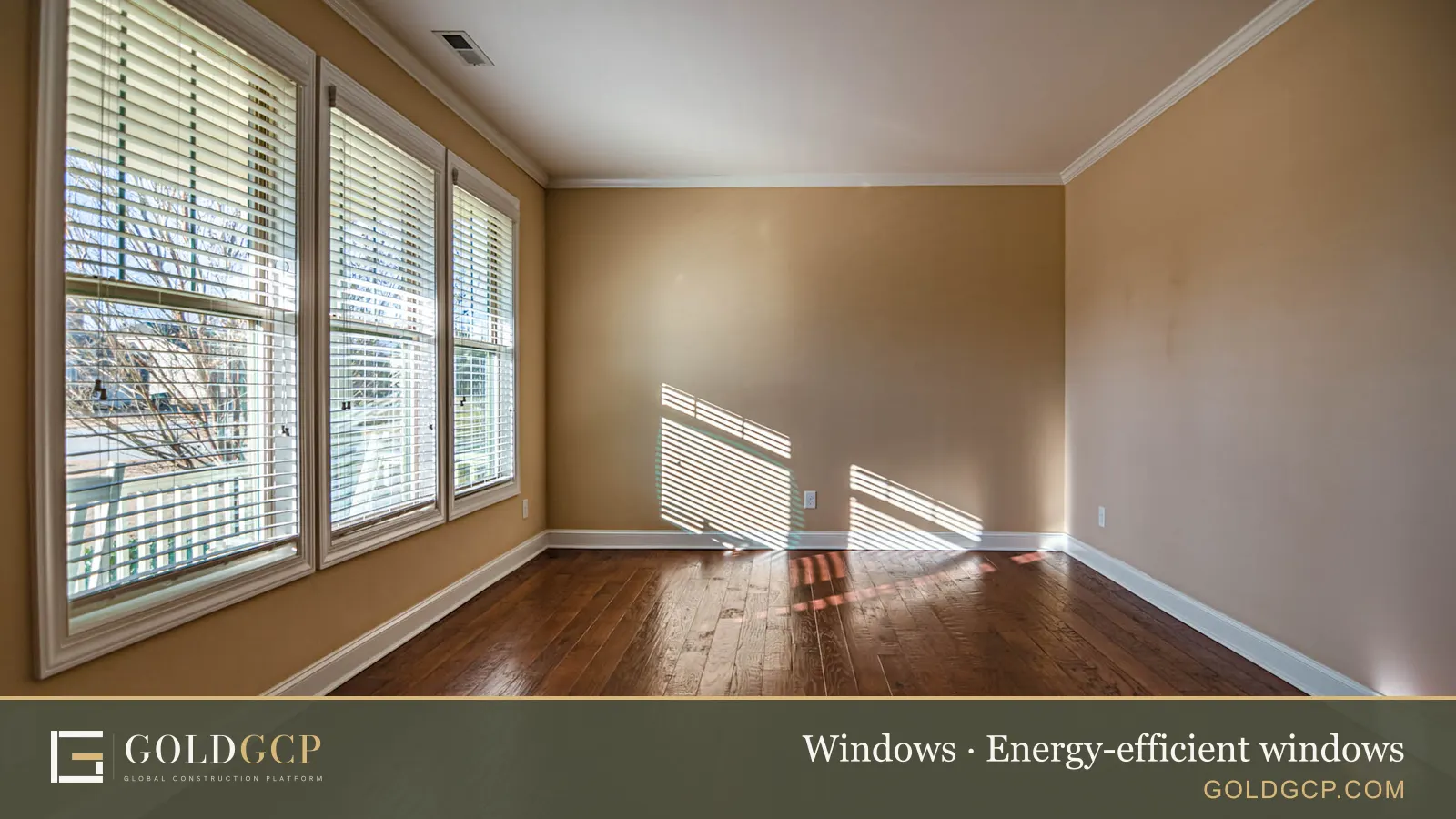
An energy-efficient window keeps heat where you want it, using two or three panes, low-E coatings, argon or krypton gas, insulated spacers and a well-sealed frame. Check the NFRC label for a low U-factor and an SHGC that fits your climate. ENERGY STAR says certified windows cut the average household's energy bills by 12%.

ENERGY STAR criteria by climate zone
ENERGY STAR Version 7.0 took effect on October 23, 2023. It lowered the U-factor limit in every zone, tightened solar heat gain limits in the two southern zones, and added a minimum solar heat gain value in the Northern zone. A window must meet the version in force on its date of manufacture.
| ENERGY STAR zone | IECC climate zones | U-factor | SHGC |
|---|---|---|---|
| Northern | 5, 6, 7 and 8 | 0.22 or lower | 0.17 or higher |
| North-Central | 4 | 0.25 or lower | 0.40 or lower |
| South-Central | 3 | 0.28 or lower | 0.23 or lower |
| Southern | 1 and 2 | 0.32 or lower | 0.23 or lower |
The Northern zone also allows trade-offs, called equivalent energy performance. A window can qualify there with a U-factor of 0.23 or 0.24 if its SHGC is 0.35 or higher, or with a U-factor of 0.25 or 0.26 if its SHGC is 0.40 or higher. The extra solar gain makes up for the slightly weaker insulation. These trade-offs do not apply in the other three zones.
Every certified window must also have an air leakage rating of 0.3 cubic feet per minute per square foot or less.
A step above is ENERGY STAR Most Efficient, which requires a U-factor of 0.20 or lower in any zone. The Building America Solution Center notes these windows are all triple glazed and can be harder to find.
ENERGY STAR warns that some sellers install windows certified for the wrong climate zone. The zone map on the ENERGY STAR label shows where each product qualifies, so check that your region is shaded.
How to read the NFRC label
The National Fenestration Rating Council label is the sticker on the glass of a new window. It reports independently tested numbers, so you can compare a vinyl slider from one company with a wood casement from another.
| Rating | What it measures | Which way is better |
|---|---|---|
| U-factor | Heat flow through the whole window | Lower. A value of 0.20 or less usually means triple pane |
| Solar heat gain coefficient (SHGC) | Share of the sun's heat that gets through, from 0 to 1 | Lower in hot climates; higher can help in cold ones |
| Visible transmittance (VT) | Share of visible light that gets through, from 0 to 1 | Higher means more daylight |
| Air leakage (AL) | Air passing through the closed window, in cfm per square foot | Lower. Most codes require 0.3 or less |
| Condensation resistance | Resistance to water forming on the inside glass, scored 0 to 100 | Higher |
U-factor matters most where heating bills dominate. SHGC matters most where air conditioning dominates. In the North-Central zone, both limits are set fairly tight.
The glass features that do the work
Low-E coatings
A low-E coating is a nearly invisible layer of silver applied to one or more glass surfaces. It reflects infrared heat back toward its source: into the house in winter, back outside in summer. The Building America Solution Center notes it also reflects ultraviolet light, which reduces fading of floors, furniture and drapes. Coatings are tuned for the climate, which is why a southern window has a low SHGC and a northern one can have a higher SHGC.
Gas fill
The space between panes is filled with argon or krypton, inert gases that are odorless, colorless and nontoxic and insulate better than air. The NFRC consumer guide says krypton gives the larger gain but costs more, argon is the common, affordable choice, and some windows use a blend. Gas does leak slowly, about 0.5% of the fill per year in an efficient window, so after 20 years the unit still performs at about 90% of its original level.
Spacers and panes
Spacers hold the panes apart at the edges. Insulated, non-metal spacers cut the heat that flows around the edge of the glass. Double-pane units are the standard today. Triple pane adds a third layer and a second gas space; it is the usual route to the 0.20 U-factor needed for Most Efficient.
Frame material and efficiency
ENERGY STAR certifies windows in fiberglass, vinyl, aluminum, wood, combination and composite frames. HomeGuide points out that the frame is only a fraction of a window's thermal performance; the glass package and the quality of the air seal matter more. Still, frame choice sets the starting point:
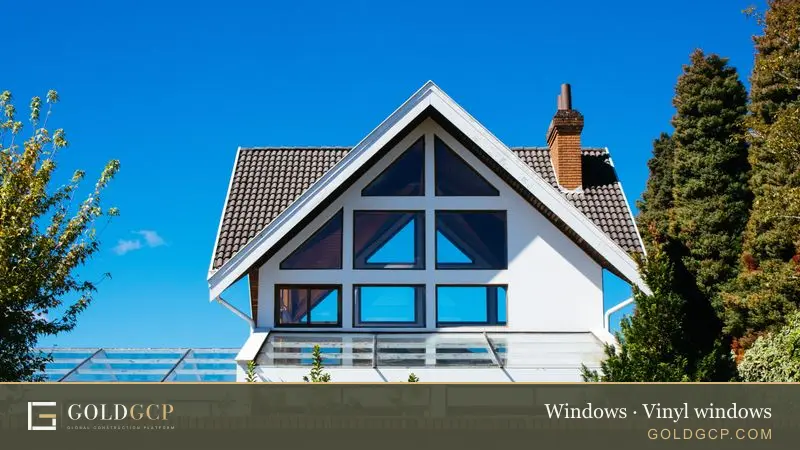
- Vinyl windows insulate well, need no paint and cost the least.
- Fiberglass windows are strong and durable, and the frames can be hollow or foam filled.
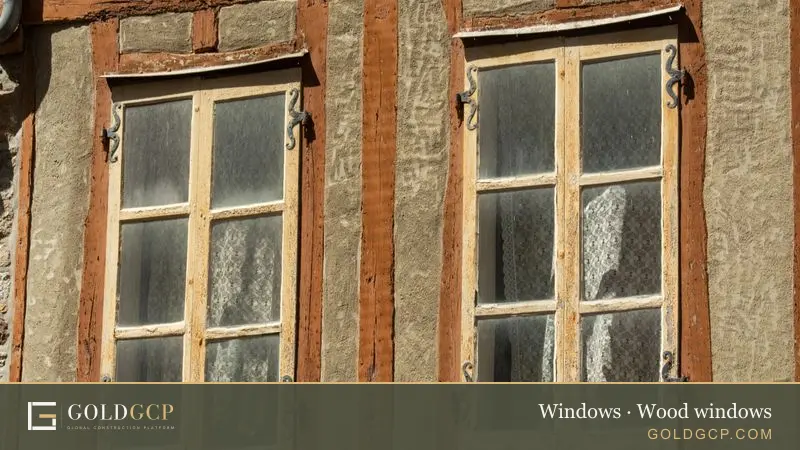
- Wood windows insulate well; many are clad outside to cut upkeep.
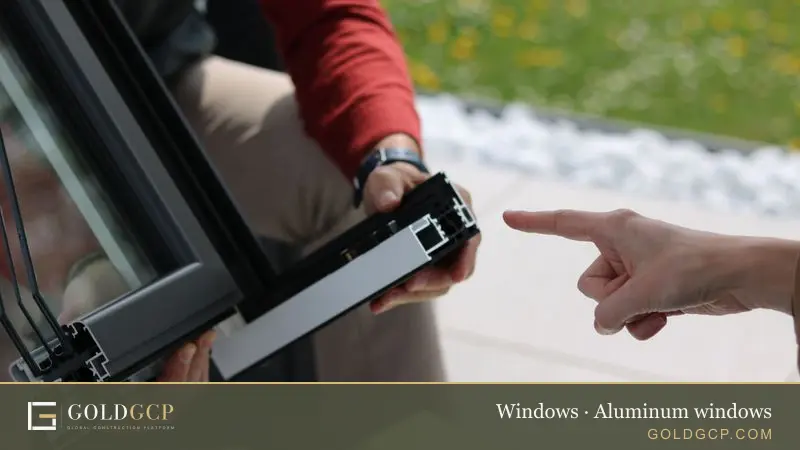
- Aluminum windows are durable and recyclable, and typically use thermal breaks to cut heat loss through the metal.
- Steel windows are a specialty choice; ask for the NFRC ratings of the exact unit.
Whatever the frame, compare finished windows by the NFRC label, not by the material name.
What energy-efficient windows cost and save
ENERGY STAR puts an energy-efficient 3 by 5 foot double-hung replacement at about $400 installed at the low end, and about $1,600 or more for premium options like specialty wood finishes, historic designs, laminated impact glass or extra-strength frames. National prices by frame:
| Job | US average (typical range) | Typical |
|---|---|---|
| Vinyl window, installed | $350–$1,200 | $650 |
| Fiberglass window, installed | $600–$2,000 | $1,100 |
| Wood window, installed | $800–$3,000 | $1,500 |
| Aluminum window, installed | $175–$1,000 | $590 |
| Composite window, installed | $400–$2,300 | $1,350 |
| 10 vinyl windows, installed | $3,500–$12,000 | $6,500 |
| Bay window, vinyl | $1,100–$3,850 | $2,100 |
| New trim, per window | $40–$120 | $75 |
US national averages for 2026, labor and standard materials included, from published cost guides (sources at the end of this page). Local prices differ: see the city table below, or enter your ZIP code in the calculator.
On savings, ENERGY STAR puts the average at 12% off household energy bills when you upgrade to certified windows. The Building America Solution Center gives a range of about 6% to 13% compared with standard windows. If replacing every window is out of reach, ENERGY STAR estimates that certified low-E storm windows installed over single-pane clear glass save about 20% on heating and cooling, with a payback of about three years.
ENERGY STAR also advises buying at least 10 windows at once when you can, since the crew's travel, setup and cleanup costs are spread across more units. Run your own numbers with the calculator.
Is there a federal tax credit for windows in 2026?
No. The Energy Efficient Home Improvement Credit, section 25C of the tax code, ended for windows installed after December 31, 2025. The law commonly called the One, Big, Beautiful Bill (Public Law 119-21, signed July 4, 2025) moved the end date up from 2032. The IRS states that the credit "will not be allowed for any property placed in service after December 31, 2025."
If your windows were installed in 2025, you can still claim the credit on your 2025 return:
- It covered 30% of the cost of exterior windows and skylights, up to $600 a year.
- The windows had to meet ENERGY STAR Most Efficient criteria.
- Labor did not count, only the cost of the windows.
- It applied to an existing main home, not a newly built one.
- You claim it on Form 5695, Part II, for the tax year the windows were installed, not the year you paid.
Some older guides, including federal pages, still mention the credit running through 2032. That date no longer applies. For 2026 projects, check your electric or gas utility for rebates, which the ENERGY STAR Rebate Finder lists by ZIP code.
Buying checklist
ENERGY STAR gives homeowners a short list of steps that prevent the most common problems:
- Find your zone with the ENERGY STAR climate zone finder before you get quotes.
- Ask each seller for the exact U-factor and SHGC of every window in the bid.
- Have the contract state that the windows are ENERGY STAR certified for your installation location, and list the U-factor and SHGC.
- Avoid same-day signing offers. ENERGY STAR says a fair estimate should hold for at least 30 days.
- Ask about warranties. ENERGY STAR suggests at least 10 years on the window, preferably 20, and at least 10 years on the glass seal.
- Expect 6 to 8 weeks, sometimes 12, for made-to-order windows to arrive.
On installation day
- Check that each window has both ENERGY STAR and NFRC labels before any old window comes out.
- Ask the crew to save every NFRC label for your records; utilities may ask for them.
- In a home built before 1978, the crew should follow lead-safe work practices during removal.
- Before they leave, open and close each window and look over the sealant for gaps.
If you are building or opening walls, our new construction windows guide covers flashing and sealing. In hurricane zones, efficiency and storm protection can come in the same unit; see impact windows.
Find an energy-efficient window installer near you
Enter your ZIP code to see window prices for your area and get matched with installers who can quote certified windows for your climate zone.
How GOLDGCP works
You see window prices for your ZIP code before anyone visits. GOLDGCP then matches you with 3 vetted, licensed pros, each checked through state license verification, an insurance check, a background and business check, a portfolio review and client reference calls. Payments are split into milestones, and each one after you approve that stage. You can compare frames and glass at our windows and doors showroom, see the window replacement cost guide for whole-house budgets, and read about efficient patio and entry units in our door guide.
Frequently asked questions
What U-factor should I look for?
It depends on your ENERGY STAR zone. Version 7.0 requires 0.22 or lower in the Northern zone, 0.25 or lower in North-Central, 0.28 or lower in South-Central and 0.32 or lower in the Southern zone. ENERGY STAR Most Efficient windows reach 0.20 or lower.
What SHGC should I choose for a hot climate?
In the South-Central and Southern zones, ENERGY STAR requires an SHGC of 0.23 or lower, which blocks most of the sun's heat and cuts air conditioning load. In the Northern zone, the rule is the reverse: SHGC must be at least 0.17 so windows still admit some winter sun.
Is there a tax credit for energy-efficient windows in 2026?
No federal credit applies to windows installed in 2026. The IRS says the section 25C credit is not allowed for property placed in service after December 31, 2025. Windows installed in 2025 can still be claimed on the 2025 return using Form 5695. Check your utility for local rebates.
Are triple-pane windows worth it?
They make the most sense in cold climates and for buyers who want ENERGY STAR Most Efficient performance, which requires a U-factor of 0.20 or lower. The Building America Solution Center notes those windows are all triple glazed. In warmer zones the ENERGY STAR U-factor limits are 0.25 to 0.32, so get quotes on both and compare the NFRC numbers.
Does argon gas leak out of windows?
Slowly. The NFRC consumer guide puts the loss at about 0.5% of the gas per year in an efficient window, so after 20 years the window still performs at about 90% of its original level. Argon and krypton are nontoxic, so a leak is not a health concern.
How much do energy-efficient windows save?
ENERGY STAR says certified windows lower household energy bills by 12% on average. The Building America Solution Center cites a range of about 6% to 13% compared with standard windows. Savings are highest when the old windows are single pane or drafty.
How we calculate these prices
GOLDGCP starts from national price ranges for each job, taken from published 2026 cost guides and checked against local price guides where they exist. To get a local price, we multiply the national range by the construction cost factor for the metro from the U.S. Army Corps of Engineers Area Cost Factors (US average = 1.00). For ZIP codes outside the 50 largest metros, the calculator uses the state's price level from the Bureau of Economic Analysis Regional Price Parities. Ranges include labor and standard materials but not unusual site conditions, so a written quote after an inspection is always the final price.
Sources
- ENERGY STAR Version 7.0 Residential Windows, Doors, and Skylights Final Draft Specification · U.S. EPA / ENERGY STAR
- High performing windows or storm windows · ENERGY STAR
- High-Performance (ENERGY STAR) Windows · U.S. DOE Building America Solution Center
- Gas Fills · National Fenestration Rating Council
- Energy Efficient Home Improvement Credit · Internal Revenue Service
- FAQs for modification of sections 25C, 25D and others under Public Law 119-21 (FS-2025-05) · Internal Revenue Service
- What makes it ENERGY STAR? · ENERGY STAR
- Vinyl vs. Fiberglass Windows: Cost, Pros & Cons · HomeGuide

About this guide
Written by the GOLDGCP editorial team. Prices come from national cost guides; rules and statistics come from the agencies and reports linked in the text. We update this page when prices or codes change.