The short answer
A new entry door costs about $630 to $3,150 installed in Phoenix, a sliding patio door $1,100 to $3,600, and a garage door $630 to $3,150. West-facing glass needs a low solar heat gain rating. Hardware and finishes have to survive 100 mph downburst gusts.
What door installation costs in Phoenix
The price table adjusts national installed prices for Phoenix. The U.S. Army Corps of Engineers puts construction costs in the Phoenix area at 0.90 times the national average, so a door that costs a given amount to install in an average US city tends to cost about 10 percent less here.
| Job | Phoenix (typical range) | US average |
|---|---|---|
| Entry door, installed | $630–$3,150 | $700–$3,500 |
| Double entry doors, installed | $1,350–$5,850 | $1,500–$6,500 |
| Patio sliding door | $1,100–$3,600 | $1,200–$4,000 |
| French doors | $1,150–$4,950 | $1,300–$5,500 |
| Multi-slide or bi-fold door | $4,500–$18,000 | $5,000–$20,000 |
| Garage door | $630–$3,150 | $700–$3,500 |
| Storm door | $360–$990 | $400–$1,100 |
| Interior door, installed | $110–$515 | $120–$570 |
| New door frame | $115–$540 | $130–$600 |
Estimates for 2026, including labor and standard parts. Phoenix prices use the metro's construction cost factor of 0.90 (US average = 1.00) from the U.S. Army Corps of Engineers Area Cost Factors. Your quote depends on access, materials and the condition of the home.
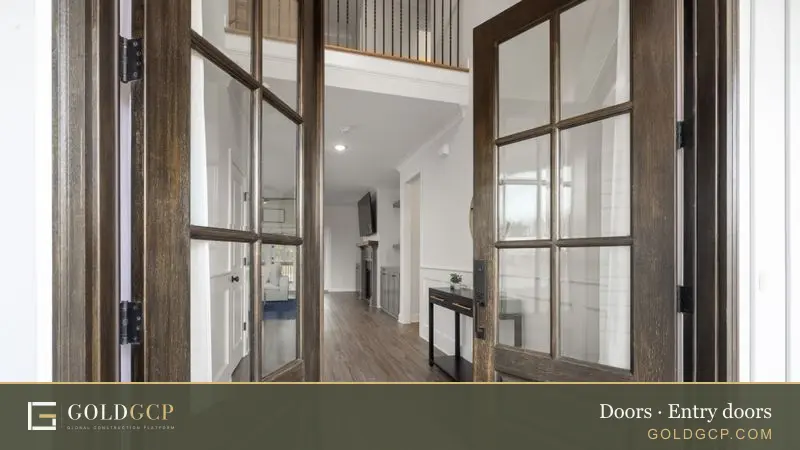
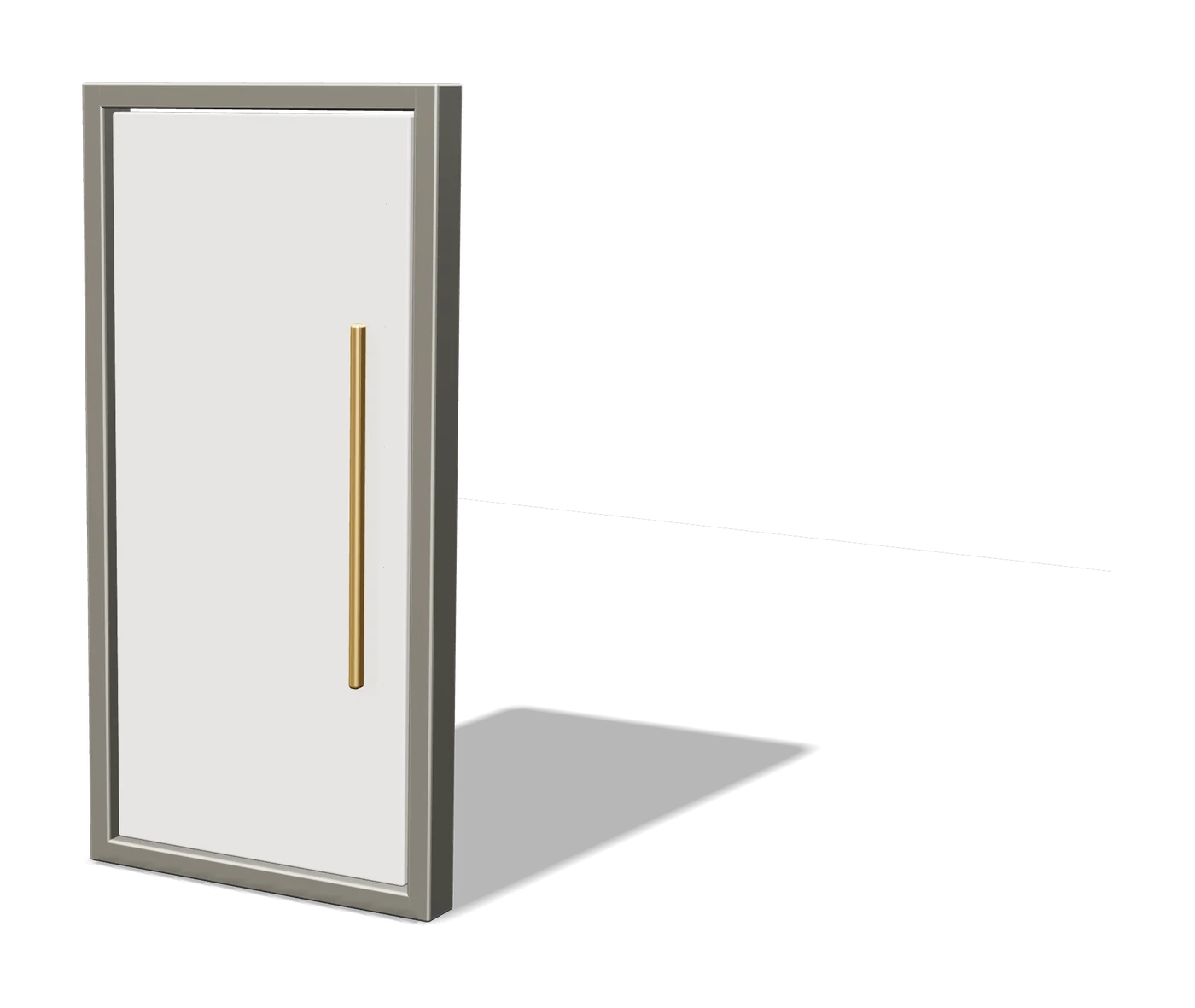
The entry door line covers a standard pre-hung door in an existing opening. Material changes the price. A steel door sits at the low end of the range, fiberglass in the middle, and solid wood at the top. A door with sidelights or a large glass panel costs more than a solid slab.
Things that raise a door quote in Phoenix:
- A wider opening. Going from a single door to a double door, or from a slider to a multi-slide wall, means a new header and plan review.
- More glass. Every extra panel adds cost and brings the energy rating into play.
- A damaged frame or sill. A new frame adds $115 to $540 at Phoenix prices.
Price your own door with the cost estimator below. It uses the rate for your ZIP code. For national prices and how door types compare, see our door installation cost guide.
Door types for Phoenix homes
| Door | Phoenix installed price | What to know here |
|---|---|---|
| Entry door, single | $630 to $3,150 | West and south faces take the worst sun; ask about finish warranty |
| Double entry doors | $1,350 to $5,850 | Usually means a wider opening and plan review |
| Sliding patio door | $1,100 to $3,600 | A same-size swap is the simplest permit case |
| French doors | $1,150 to $4,950 | Swing space and a sill that sheds monsoon rain |
| Multi-slide or bi-fold | $4,500 to $18,000 | Needs a structural header for the wide opening |
| Garage door | $630 to $3,150 | Opener must pass the federal reversing test |
| Storm or screen door | $360 to $990 | Light-duty, often on a back or side door |
| Interior door | $110 to $515 | The garage-to-house door has its own fire rules |
Entry doors
Fiberglass holds up to sun and heat without denting. Steel costs the least. Wood suits territorial and ranch houses but needs refinishing more often in this climate. Our entry doors guide covers materials and hardware. If the door faces west or south, ask what the finish warranty says about sun exposure before you pick a dark color.
Patio, French and multi-slide doors
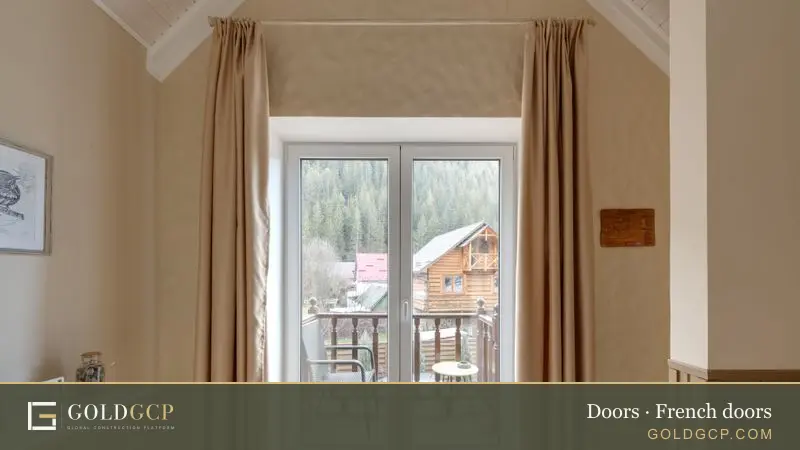
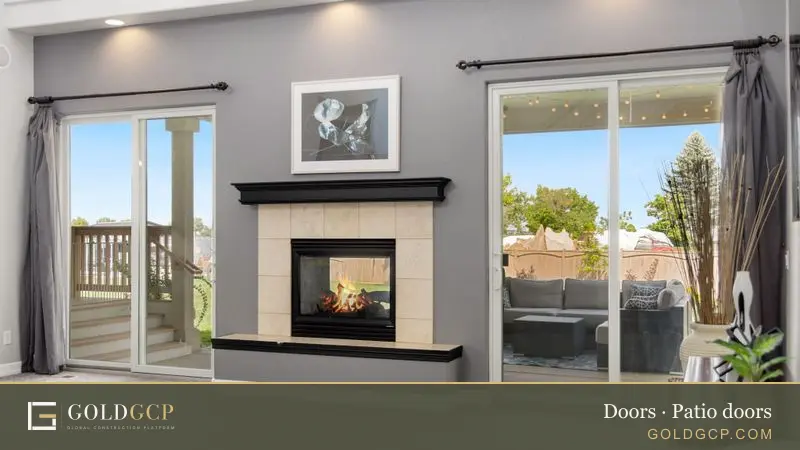
A sliding door saves floor space. French doors give a wide traditional opening. Multi-slide or bi-fold doors can open most of a wall. Compare them in our guides to patio doors, French doors and multi-slide doors. Phoenix averages 7.22 inches of rain a year, and most of it arrives in monsoon storms from late June through September (NWS Phoenix). A wide door with a flush threshold needs a sill pan and flashing that can handle a sudden downpour. Ask how the installer will handle water at the bottom of the opening.
Garage doors
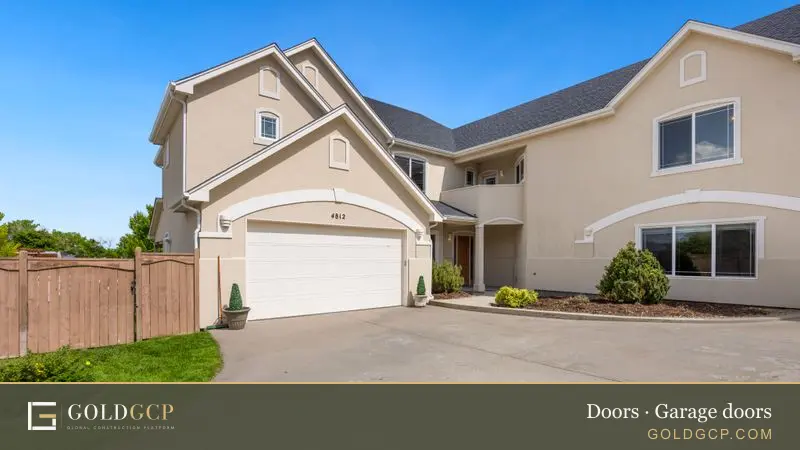
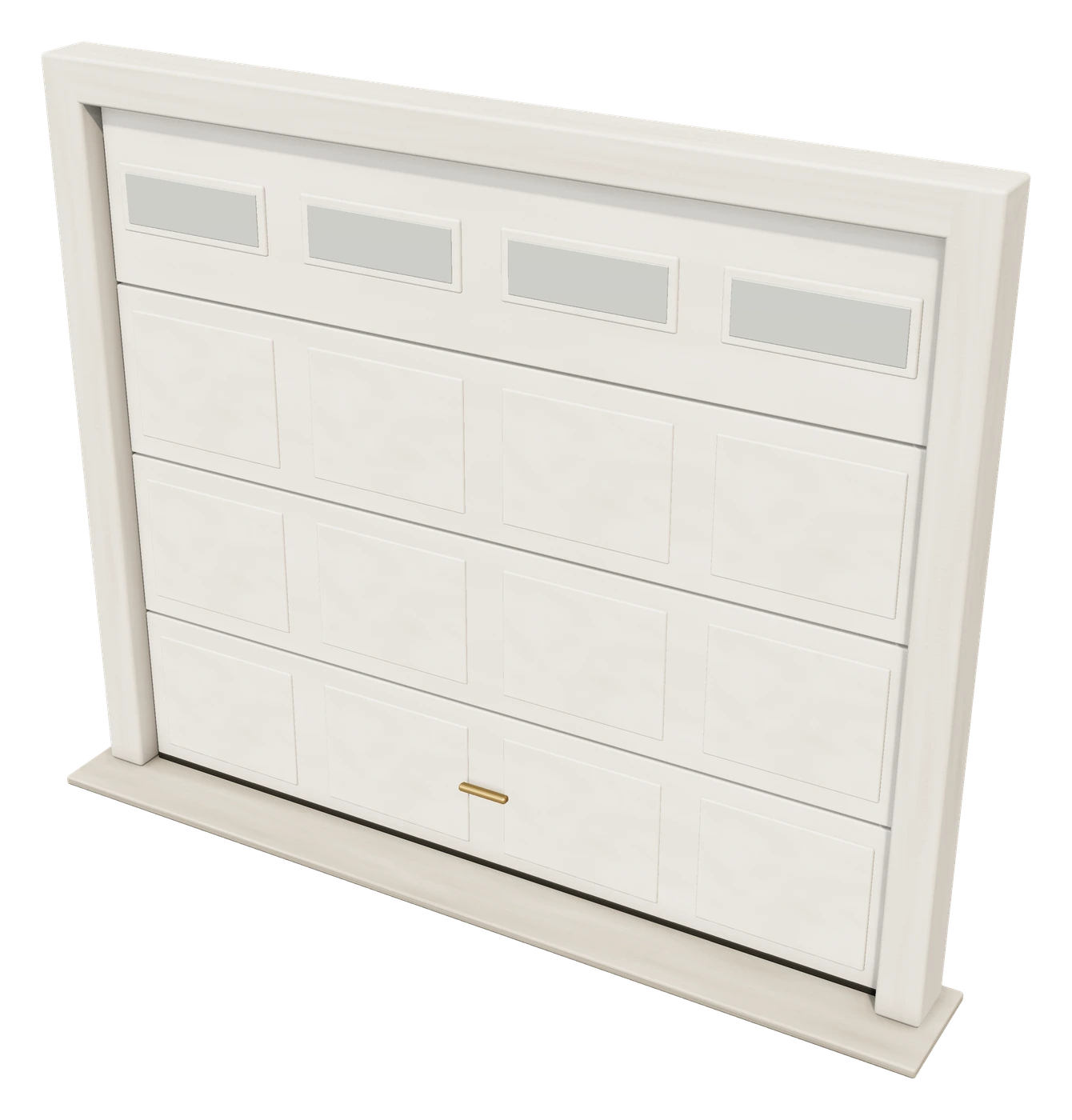
A garage door often returns more than it costs at sale. Our garage doors guide covers materials and openers. In Phoenix the door also faces direct afternoon sun. A lighter color and an insulated panel help keep the garage cooler. Federal rules require the opener to stop and reverse.
Heat, sun and monsoon: what a Phoenix summer does to a door
Sun and finish failure
West and south facing doors take the most direct sun. Paint and stain fail faster on those faces. A dark door gets hot enough to warp a thin wood slab. A fiberglass or steel door with a factory finish usually holds up longer than a wood door refinished on site. Ask the installer which faces get the most sun on your house and whether the door you chose is rated for full exposure.
Monsoon wind and dust
The monsoon runs from the latter half of June through September, and downburst winds can reach 50, 60 and 70 mph, with rare gusts over 100 mph (NWS Albuquerque). Those winds topple trees, fences and utility poles. They also loft debris that breaks glass. A patio door or entry door with large glass panels should have impact-resistant or laminated glass if it faces an open yard or a pool area. Blowing dust also works into tracks and hinges. A sliding door with a covered track and a good weather seal lasts longer.
Hardware and seals
Heat dries out weatherstripping and door sweeps faster here than in milder climates. Ask the installer to check the seal at the bottom and sides of the door, and plan to replace it every few years. A door that does not seal lets in hot air and dust. That shows up on your cooling bill.
Glass in doors: safety and energy rules
Safety glass
Arizona adopts building codes locally, and most cities use the International Codes (ICC). Under the residential code, glass in a swinging, sliding or bifold door is a hazardous location. It must be tempered or laminated safety glass. Glass within 24 inches of either side of a door, with its bottom edge less than 60 inches above the floor, usually needs safety glass too. Sidelights next to an entry door often fall under that rule.
Energy ratings for a hot climate
Phoenix is a cooling-dominated climate. The solar heat gain coefficient (SHGC) matters more than the U-factor. The U.S. Department of Energy says windows and glass doors facing west in a warm climate should have a low SHGC and a low U-factor. It also says low-E coatings can protect furnishings from UV fading by as much as 75% (DOE). SHGC runs from 0 to 1, and the lower the number, the less solar heat the glass lets in.
For ENERGY STAR, the South-Central zone generally requires a U-factor of 0.28 or less and an SHGC of 0.23 or less (Window & Door). Check your county on the ENERGY STAR climate zone finder before you order glass. A west-facing patio door with a high SHGC heats the room every afternoon.
Garage door rules
Auto-reverse
Federal rules require automatic residential garage door openers to meet entrapment protection standards. Those standards make the door stop and reverse. After installation, the installer should test the reversing function and the photo eyes while you watch.
The door between the garage and the house
The door from an attached garage into the house is a fire separation. The code allows a solid wood or steel door at least 1 3/8 inches thick, or a 20-minute fire-rated door. The door must be self-closing and self-latching. No door may open from a garage straight into a bedroom. A hollow-core interior door does not qualify.
Do you need a permit for a new door in Phoenix?
Permit rules depend on your city. In unincorporated Maricopa County, you must get a building permit before construction or installation. The county runs permits through its online Permit Center (Maricopa County). The county also warns that a building permit does not stop an HOA from enforcing its rules. Reviewing HOA rules is the owner's job (Maricopa County).
| Job | What to expect |
|---|---|
| Swap a door in the same opening, same type | Often no permit; confirm with your city |
| Widen an opening for double, French or multi-slide doors | Plan review for the new header |
| Replace a garage door | Check with your city; opener must reverse |
| House in an HOA | HOA review before you order the door |
| Unincorporated Maricopa County | County building permit before installation |
Phoenix, Scottsdale, Mesa, Tempe, Chandler, Gilbert, Glendale and Peoria each run their own building department. Tempe takes all building permit applications online through its Citizen Access Portal (City of Tempe). Chandler offers walk-in plan review for residential projects. It has adopted the 2024 International Codes for plans submitted on or after July 1, 2025 (City of Chandler). Peoria encourages online submittals through its Development Services portal (City of Peoria). Call your city before you order a door that changes the opening.
How to check a door installer before you hire
Arizona requires any business that contracts to build, alter, repair or improve a structure to be a licensed contractor. Contractors must be licensed before they submit a bid (Arizona Registrar of Contractors). The Registrar licenses and regulates over 60,000 residential and commercial contractors (AZ ROC).
Door installation usually needs a residential remodeling or general building license. Ask the installer which license class they hold and whether it covers residential work.
- Look up the license on the Arizona Registrar of Contractors search and check that it is active and the name matches the bid.
- Get the door brand, material, glass type and energy ratings in writing.
- Ask who pulls the permit and whether the price includes a new frame, sill pan and trim.
- For a garage door, confirm the installer tests the auto-reverse and the photo eyes.
- Keep the deposit small and put the payment schedule in the contract.
Every installer in the GOLDGCP network passes six-step vetting: license verification, an insurance check, a background and business check, a portfolio review, client reference calls, and onboarding with a quality score. You pay your pro directly, stage by stage. Read more about how milestone payments work.
Areas we cover
GOLDGCP door installers work across the Valley of the Sun:
- Phoenix
- Scottsdale
- Mesa
- Tempe
- Chandler
- Gilbert
- Glendale
- Peoria
Enter your ZIP code to see door prices for your street and get matched with a local installer.
How GOLDGCP works
- Tell us about the door: entry, patio or garage, the size of the opening, and whether you want to widen it. Use the form, call or send a WhatsApp message.
- See prices for your ZIP code, then get matched with up to 3 vetted, licensed installers.
- Your installer measures, confirms the glass ratings and any permit rules, and pulls the permit if one is needed.
- You pay your pro directly by milestone, and follow the job in the client portal.
If you are replacing windows too, see our Phoenix window replacement guide. For a door that opens a wall to a patio, our structural coordination guide explains how a new header gets sized.
Frequently asked questions
How much does door installation cost in Phoenix?
An entry door costs about $630 to $3,150 installed in Phoenix, double entry doors $1,350 to $5,850, a sliding patio door $1,100 to $3,600 and French doors $1,150 to $4,950. A garage door runs $630 to $3,150. A new frame adds $115 to $540.
Do I need a permit to replace a door in Phoenix?
It depends on your city. In unincorporated Maricopa County a building permit is required before installation. Phoenix, Tempe, Chandler, Peoria and the other cities each run their own building department. Call yours. Widening an opening for a new header needs plan review.
What door material holds up to a Phoenix summer?
Fiberglass and steel doors with factory finishes usually hold up to sun and heat. Wood suits older ranch and territorial houses but needs refinishing more often on west and south faces. Ask about the finish warranty before you pick a dark color.
Does a glass door need tempered glass in Arizona?
Yes. Arizona cities adopt the International Codes. The residential code treats glass in swinging, sliding and bifold doors as a hazardous location, so it must be tempered or laminated safety glass. Sidelights near the door usually need it too.
What energy rating should a west-facing door have in Phoenix?
Phoenix is a cooling-dominated climate. Look for a low solar heat gain coefficient. ENERGY STAR's South-Central zone generally requires an SHGC of 0.23 or less and a U-factor of 0.28 or less. Check your county on the ENERGY STAR climate zone finder.
What door is required between the garage and the house?
A solid wood or steel door at least 1 3/8 inches thick, or a 20-minute fire-rated door. It must be self-closing and self-latching. No door may open from the garage straight into a bedroom. A hollow-core interior door does not meet the rule.
What license does a door installer need in Arizona?
Door installers need an Arizona Registrar of Contractors license, usually a residential remodeling or general building class. Contractors must be licensed before they bid. Look up the license at roc.az.gov and check that it is active and matches the bid.
How we calculate these prices
GOLDGCP starts from national price ranges for each job, taken from published 2026 cost guides and checked against local price guides where they exist. To get a local price, we multiply the national range by the construction cost factor for the metro from the U.S. Army Corps of Engineers Area Cost Factors (US average = 1.00). Where that table has no entry for a metro, we use the nearest listed location or the state value. For ZIP codes outside the 50 largest metros, the cost estimator uses the state's price level from the Bureau of Economic Analysis Regional Price Parities. Ranges include labor and standard materials but not unusual site conditions, so a written quote after an inspection is always the final price.
Sources
- National Weather Service · National Weather Service
- National Weather Service · National Weather Service
- International Code Council
- U.S. Department of Energy
- windowanddoor.com
- ENERGY STAR
- federalregister.gov
- Maricopa County Planning and Development Department
- Maricopa County, AZ
- tempe.gov
- chandleraz.gov
- peoriaaz.gov
- Arizona Registrar of Contractors · Applying for a License
- Arizona Registrar of Contractors · Arizona Registrar of Contractors
- U.S. Army Corps of Engineers
- U.S. Bureau of Economic Analysis

About this guide
Written by the GOLDGCP editorial team. Prices come from national cost guides adjusted with official construction cost factors for Phoenix; rules and statistics come from the agencies and reports linked in the text. We update this page when prices or codes change.