The short answer
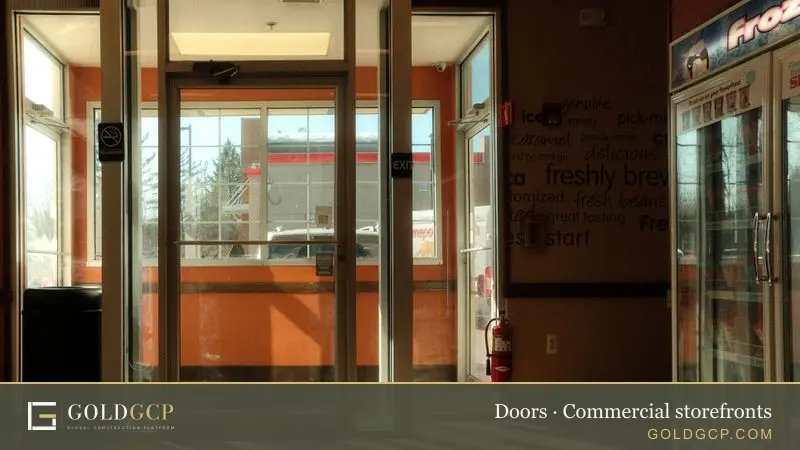
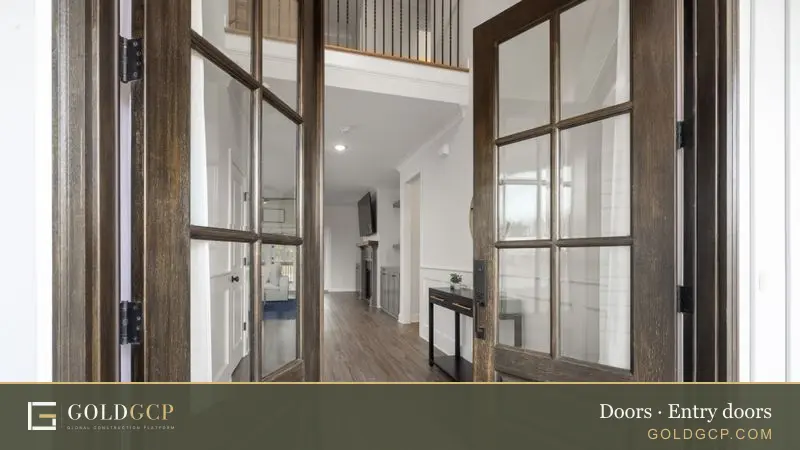
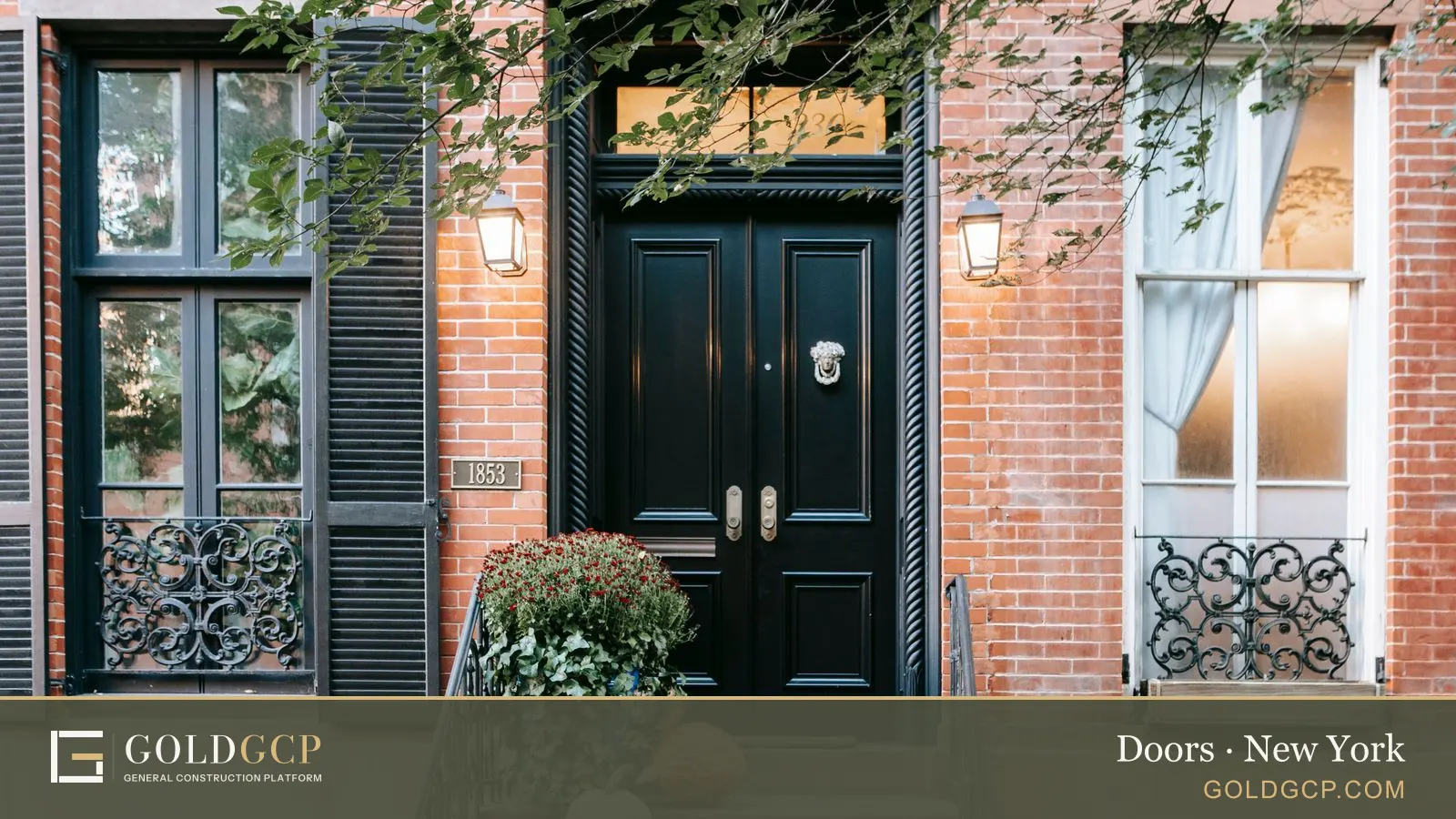
A new entry door costs about $915 to $4,600 installed in the New York metro, a sliding patio door $1,950 to $7,850, and a garage door $1,200 to $5,250. What matters most here is the building: a brownstone may need landmark approval for a new front door, an apartment door in a building of three or more units must close by itself, and a detached house mostly needs a door that stands up to winter.
What door installation costs in New York
The price table starts from national installed costs and applies the New York City construction cost factor of 1.31 from the U.S. Army Corps of Engineers. A door that costs $2,000 to install in an average US market tends to cost about $2,620 here.
| Job | New York (typical range) | US average |
|---|---|---|
| Entry door, installed | $915–$4,600 | $700–$3,500 |
| Double entry doors, installed | $1,950–$8,500 | $1,500–$6,500 |
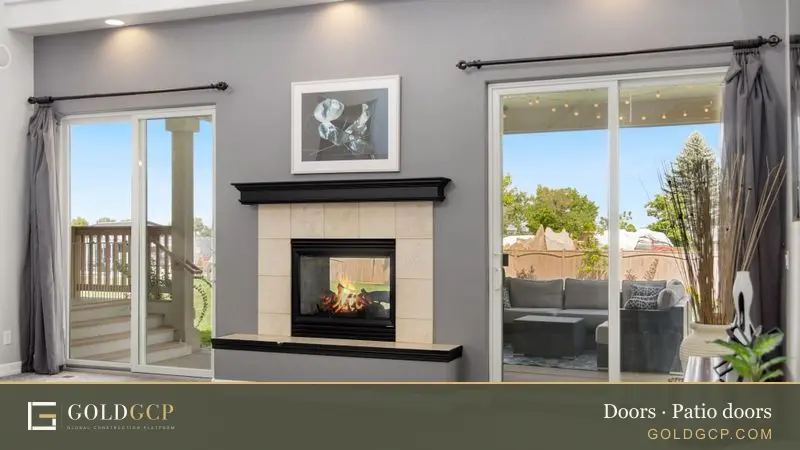
| Patio sliding door | $1,950–$7,850 | $1,500–$6,000 |
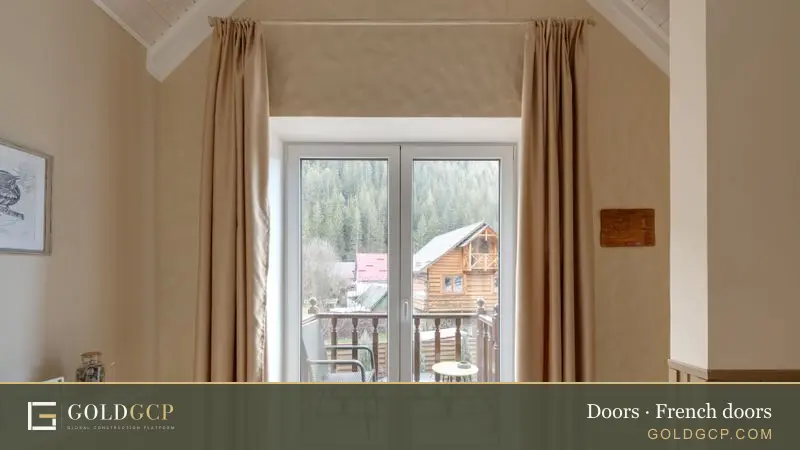
| French doors | $2,600–$9,850 | $2,000–$7,500 |
| Multi-slide or bi-fold door | $6,550–$28,800 | $5,000–$22,000 |
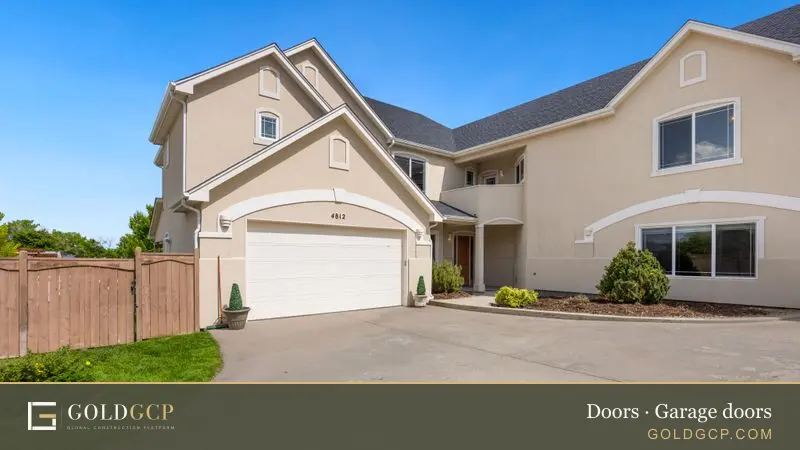
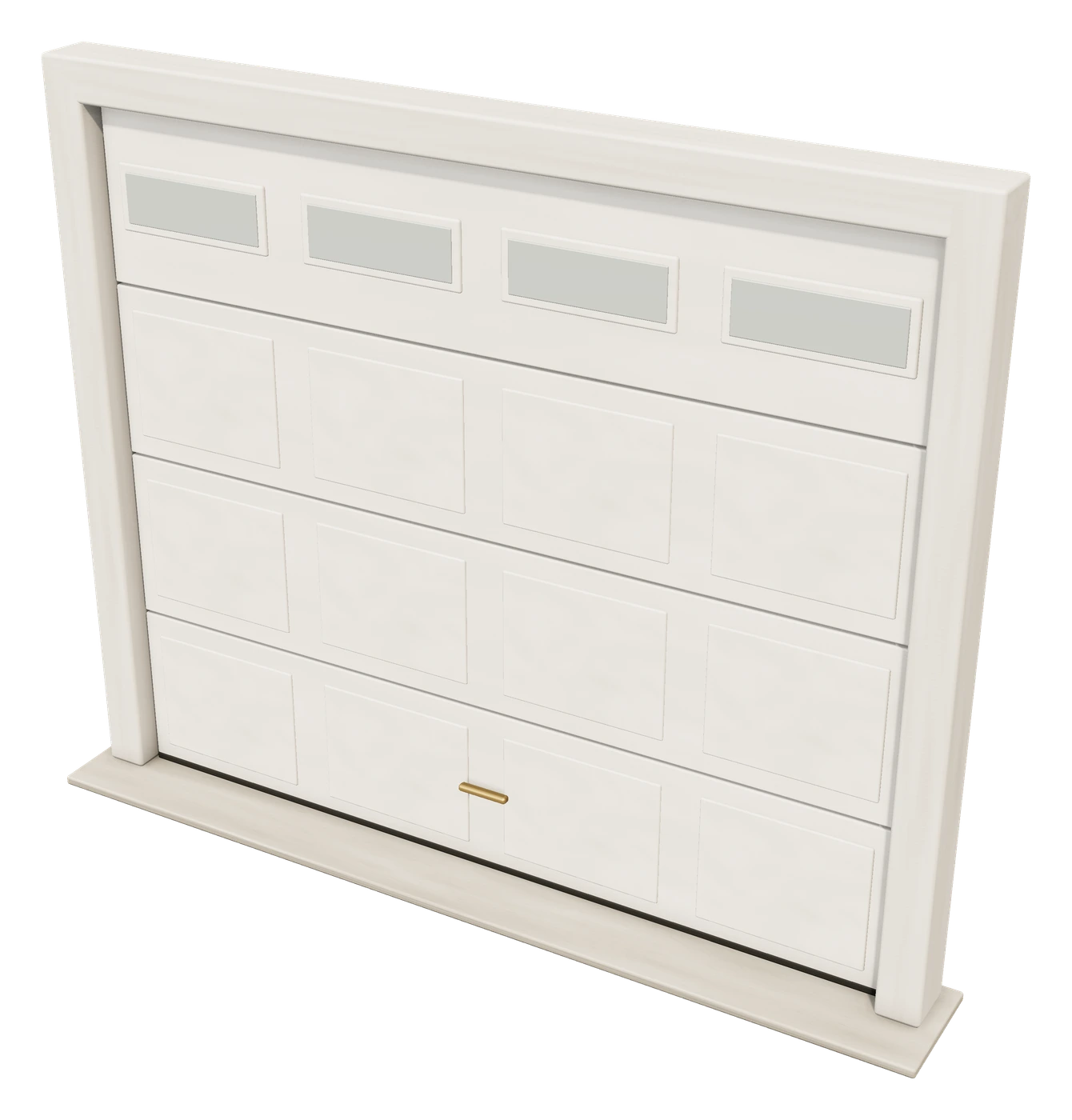
| Garage door | $1,200–$5,250 | $900–$4,000 |
| Storm door | $525–$1,450 | $400–$1,100 |
| Interior door, installed | $155–$745 | $120–$570 |
| New door frame | $170–$785 | $130–$600 |
Estimates for 2026, including labor and standard parts. New York prices use the metro's construction cost factor of 1.31 (US average = 1.00) from the U.S. Army Corps of Engineers Area Cost Factors. Your quote depends on access, materials and the condition of the home.
The entry door line is a standard pre-hung door in an existing opening. Material changes it the most. With our calculator's factors on the typical metro price of about $2,100, a steel door comes to about $1,800, fiberglass about $2,100, and wood about $2,850. A door that is all glass adds about 20%.
What pushes a New York door quote up:
- Odd sizes. The common exterior door is 36 by 80 inches. An older masonry opening that is taller or wider than that needs a door made to order.
- Rotted sills and frames. A new frame adds $170 to $785 here. Repairing or replacing a door sill needs no DOB permit in the city.
- Stoops and walk-ups. Ask whether the quote covers carrying a heavy door and frame up the stairs.
- Wider openings. Turning a single back door into French or multi-slide doors means a new lintel or header, and in NYC lintel work beyond a small area needs a permit.
Price your own door with the calculator below, or open the full door calculator. Both use the rate for your ZIP code. Our door installation cost guide has national prices and compares door types.
Doors for row houses, apartments and detached homes
The metro's housing decides which doors people buy. In New York City, only 8.7% of homes are single-family detached houses, a third are in buildings of 50 or more units, and in Brooklyn 31.8% are in two- to four-unit buildings. In Nassau and Suffolk counties, more than three-quarters are detached houses (Census Reporter, ACS 2024).
| Door | Metro installed price | Common use |
|---|---|---|
| Entry door, single | $915 to $4,600 | Every house type; brownstone fronts may be custom |
| Double entry doors | $1,950 to $8,500 | Brownstone parlor floors, larger houses |
| Sliding patio door | $1,950 to $7,850 | Back of row houses, decks on Long Island and in NJ |
| French doors | $2,600 to $9,850 | Garden floors and terraces |
| Multi-slide or bi-fold | $6,550 to $28,800 | Rear extensions and additions |
| Garage door | $1,200 to $5,250 | Detached houses, Staten Island, the suburbs |
| Storm door | $525 to $1,450 | Front and side doors of detached houses |
| Interior door | $155 to $745 | Apartments and renovations |
For product detail, see our guides to entry doors, patio doors, French doors, multi-slide doors and garage doors.
Winter, wind and water
Central Park's January nights average 27.9°F, the city gets about 29.8 inches of snow a season, and rain falls every month, adding up to 49.52 inches a year (NWS normals). Nor'easters, most frequent and most violent from September to April, push rain and snow sideways with gale-force winds (NWS). The January 2016 blizzard left 27.5 inches in Central Park, 30.5 at JFK and 24.5 in Newark (NWS).
What that means for a door:
- Thresholds and sills take the most abuse. Ask for a sill pan under the threshold and flashing at the sides before the door goes in.
- Ask how the installer will weatherstrip the door and seal the new frame to the old opening, since drafts usually come in around the edges.
- A storm door adds a layer in front of an older wood front door. At $525 to $1,450 installed here, it costs less than most new entry doors.
- Coastal homes also face flooding. Sandy caused more than $19 billion in damage and lost economic activity in New York City and damaged or destroyed 346,000 homes in New Jersey (NYC, NJDEP).
Energy ratings for doors
ENERGY STAR rates swinging doors by how much glass they have. A solid door needs a U-factor of 0.17 or lower, a door that is up to half glass needs 0.23, and a door that is more than half glass needs 0.26 with an SHGC of 0.40 or lower in the North-Central and Northern zones that cover this metro (ENERGY STAR Version 7.0). Sliding glass doors follow the window targets instead. The 2025 NYC Energy Conservation Code caps glazed fenestration at a U-factor of 0.27 in climate zone 4, which matters for big patio and multi-slide doors (NYC DOB). There is no federal tax credit for doors placed in service after December 31, 2025 (IRS).
Apartment doors in co-ops, condos and rentals
Self-closing doors
In a New York City building with three or more apartments, doors that lead to interior hallways and stairwells must close by themselves. That includes every apartment entrance door and the doors to the outside. Owners can use overhead closers, heavy-duty closers or floor-spring closers. A door that fails to self-close is an immediately hazardous Class C violation, and HPD starts emergency repairs if the owner does not certify the fix within 21 days (NYC HPD). Local Law 115 of 2018 also requires notices reminding tenants to close doors when escaping a fire.
If you are replacing your apartment's entry door, keep a working closer on it and ask the installer to adjust it so the door latches every time.
Board approval
The DOB requires a statement of board authorization with any permit application a unit owner files (DOB OPPN 17/87). Ask the managing agent for the building's rules on apartment entry doors, hardware and finishes before you order.
Garage doors and the door from the garage
Auto-reverse openers
Federal rules require automatic residential garage door openers to meet entrapment protection standards, so the door stops and reverses when it meets an obstruction (Federal Register, 16 CFR 1211). Ask the installer to test the reversing function and the photo eyes before they leave.
A new garage door is one of the few projects that returns more than it costs at sale. The 2025 Cost vs. Value report puts the average garage door replacement at $4,672 and the value it adds at 268% of its cost, and a steel entry door at 216% (Cost vs. Value).
The door into the house
The door between an attached garage and the house is a fire separation. New York's residential code calls for a solid wood or steel door at least 1 3/8 inches thick, or a 20-minute fire-rated door, with a self-closing or automatic-closing device, and no door may open from a garage straight into a bedroom (2020 Residential Code of NYS, R302.5.1). A hollow-core interior door does not meet it.
Safety glass
Glass in any swinging, sliding or bifold door counts as a hazardous location under the residential code, so it must be tempered or laminated safety glass (R308.4.1, same source). Check the label in the corner of each glass panel.
Do you need a permit for a new door?
| Where | Same-size door replacement | What changes the answer |
|---|---|---|
| New York City | DOB's minor work rule exempts balcony doors and door sills | Landmarks, co-op boards, lintel and masonry work |
| NYC landmark or historic district | LPC Permit for Minor Work, no fee | Repainting the same color needs no LPC review |
| Long Island and Westchester | Ask the town, village or city building department | Local rules vary |
| New Jersey | No permit in the same opening without changing framing | New or wider openings, egress changes |
New York City
The Department of Buildings rule on minor work lists replacing existing windows and balcony doors as exempt when the masonry opening, the light and ventilation and the operable area stay the same and the opening is not on the lot line. It also lists door sill repair or replacement as exempt. Removing and replacing steel lintels beyond a small area needs a permit (1 RCNY 101-14). DOB adds that work without a DOB permit still has to be done by a DCWP-licensed contractor (NYC DOB).
Landmarks come first on a historic block. The Landmarks Preservation Commission oversees more than 38,000 properties, most in 157 historic districts, and replacing a door on a landmarked building takes a Permit for Minor Work, which has no fee. Repainting a door the same color needs no review (NYC Business). Get the permit before you order a custom brownstone door.
Long Island and Westchester
The state Uniform Code applies, and each town, village or city runs its own building department (NYS Department of State). State rules limit what a town may exempt from permits (19 NYCRR 1203.3), so call yours before you sign, especially for a new or wider opening.
New Jersey
The Uniform Construction Code treats door replacement in the same opening, without changing the framing, as ordinary maintenance with no permit or inspection. Changes to egress are not ordinary maintenance (N.J.A.C. 5:23-2.7). For a new opening, the municipal construction official must decide a complete permit application within 20 business days (NJ DCA).
Lead paint on old doors and frames
In the Census Bureau's 2024 survey, 77.9% of New York City homes were built before 1980, and the median Brooklyn home dates from 1942 (Census Reporter, ACS 2024). In a home built before 1978, old doors, frames and casings may carry lead paint. The EPA's Renovation, Repair and Painting rule requires a certified firm for paid work that disturbs more than 6 square feet of paint inside or 20 square feet outside a pre-1978 home (EPA). Pulling an old frame and its trim often crosses that line.
How to check a door installer before you hire
Neither state has a separate door license. The home improvement license or registration for your area is what to check.
| Where you live | What the installer needs | Where to check |
|---|---|---|
| Five boroughs | NYC DCWP Home Improvement Contractor license for jobs over $200 | DCWP license lookup or 311 |
| Nassau County | County home improvement license | Nassau Consumer Affairs |
| Suffolk County | County home improvement license | Suffolk Consumer Affairs, (631) 853-4600 |
| Westchester County | County home improvement license | Westchester Consumer Protection, (914) 995-2155 |
| New Jersey | HIC registration, which covers doors | NJ Consumer Affairs, 1-800-242-5846 |
Sources: NYC311, NY Attorney General, NJ Consumer Affairs.
Before you sign:
- Check the license or registration number and the business name.
- Get the door brand, material, glass, pre-hung or slab, and what happens to the frame and sill in writing.
- For an apartment door, confirm the closer and latch meet the building's rules.
- Use a written contract for any job over $500. Both states give you three business days to cancel. New York contractors must hold deposits in a trust account at a New York bank within five business days or give you a bond.
- In New Jersey, be wary of a contractor who asks for more than one third of the price before work begins.
Every installer in the GOLDGCP network passes six-step vetting: license verification, an insurance check, a background and business check, a portfolio review, client reference calls, and onboarding with a quality score. You pay in milestones, each one after you approve that stage. Read more about how milestone payments work.
Areas we cover
GOLDGCP door installers work across the New York metro:
- Manhattan
- Brooklyn
- Queens
- The Bronx
- Staten Island
- Long Island
- Westchester
- Newark and Jersey City
- Northern New Jersey
Enter your ZIP code to see door prices for your block and get matched with an installer who works there.
How GOLDGCP works
- Tell us about the door: front, apartment, patio or garage, the opening size, and whether the building is landmarked or a co-op. Use the form, call or send a WhatsApp message.
- See prices for your ZIP code, then get matched with 3 vetted, licensed installers.
- Your installer measures, confirms the product and handles any LPC, board, town or New Jersey paperwork.
- You pay by milestone, for example after the door is delivered and after the final walkthrough, and follow the job in the client portal.
Replacing windows too? See our New York window replacement guide. Our windows and doors showroom shows the doors we supply.
Frequently asked questions
How much does door installation cost in NYC?
An entry door costs about $915 to $4,600 installed in the New York metro, double entry doors $1,950 to $8,500, a sliding patio door $1,950 to $7,850 and French doors $2,600 to $9,850. A garage door runs $1,200 to $5,250 and a storm door $525 to $1,450.
Do I need a permit to replace a front door in Brooklyn?
For a same-size swap, usually not from DOB, but the installer still needs a DCWP license. If the house is landmarked or in a historic district, you need an LPC Permit for Minor Work, which is free. Widening the opening or replacing a lintel beyond a small area needs a DOB permit.
Does my apartment door have to be self-closing in New York City?
Yes, in a building with three or more apartments. Apartment entrance doors and doors to hallways, stairs and the outside must close by themselves. A door that does not self-close is an immediately hazardous Class C violation that HPD can repair at the owner's cost.
Do I need a permit to replace a door in New Jersey?
Not when the new door goes in the same opening without changing the framing. New Jersey's Uniform Construction Code treats that as ordinary maintenance. A new or wider opening, or a change to egress, needs a permit from your town's construction official.
What door do I need between the garage and the house in New York?
A solid wood or steel door at least 1 3/8 inches thick, or a 20-minute fire-rated door, with a self-closing or automatic-closing device. No door may open directly from the garage into a bedroom. A hollow-core interior door does not meet the code.
Does a new door on Long Island need a licensed contractor?
Yes. Nassau County and Suffolk County each require a home improvement license, Westchester has its own county license, and NYC requires a DCWP license for jobs over $200. In New Jersey, the installer must be registered as a home improvement contractor.
When should I replace an exterior door in New York?
Spring through early fall, before nor'easter season. The National Weather Service says nor'easters are most frequent and most violent from September to April. A standard pre-hung door goes in within a few hours, but a custom door has to be ordered first, so leave time.
How we calculate these prices
GOLDGCP starts from national price ranges for each job, taken from published 2026 cost guides and checked against local price guides where they exist. To get a local price, we multiply the national range by the construction cost factor for the metro from the U.S. Army Corps of Engineers Area Cost Factors (US average = 1.00). For ZIP codes outside the 50 largest metros, the calculator uses the state's price level from the Bureau of Economic Analysis Regional Price Parities. Ranges include labor and standard materials but not unusual site conditions, so a written quote after an inspection is always the final price.
Sources
- How much does it cost to replace a front door? · HomeGuide
- 1 RCNY 101-14: Categories of Work That May or May Not Require a Permit · NYC Department of Buildings
- Performing Work on a Landmarked Property · NYC Business / Landmarks Preservation Commission
- Maintenance Bulletin, January 2022 (self-closing doors) · NYC Department of Housing Preservation and Development
- N.J.A.C. 5:23-2 Administration and Enforcement (ordinary maintenance) · NJ Department of Community Affairs
- 2020 Residential Code of New York State, Chapter 3 · UpCodes (NYS Department of State)
- Safety Standard for Automatic Residential Garage Door Operators · Federal Register (CPSC)
- Normals and Extremes, Central Park · National Weather Service
- Area Cost Factors, PAX Newsletter 3.2.1 (2024) · U.S. Army Corps of Engineers
- Regional Price Parities by State · U.S. Bureau of Economic Analysis

About this guide
Written by the GOLDGCP editorial team. Prices come from national cost guides adjusted with official construction cost factors for New York; rules and statistics come from the agencies and reports linked in the text. We update this page when prices or codes change.