The short answer
A new entry door costs about $840 to $4,200 installed in Chicago, a sliding patio door $1,450 to $4,800, and a garage door $840 to $4,200. Doors here must meet the Chicago Energy Transformation Code. A storm door is worth adding in a Chicago winter.
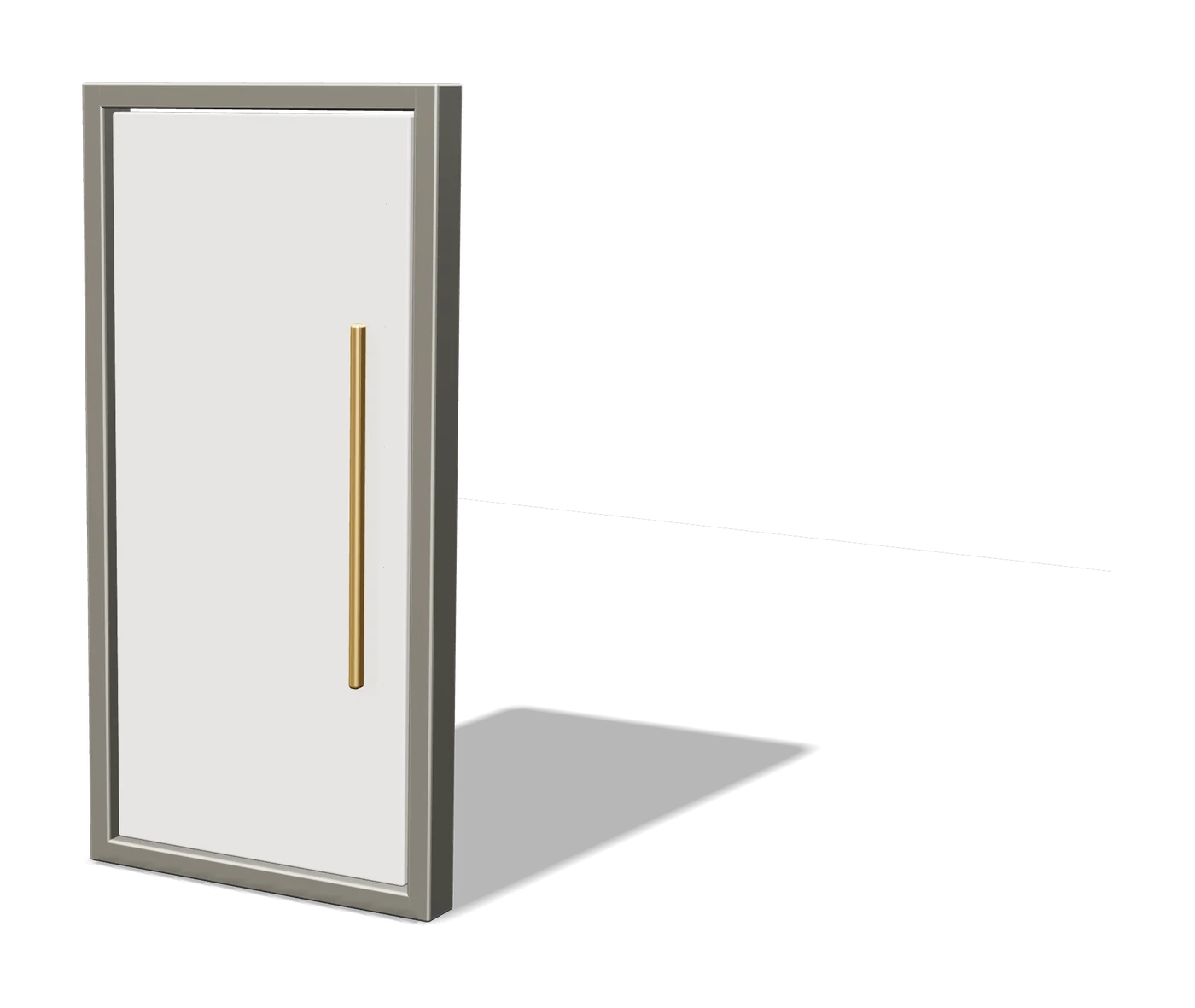
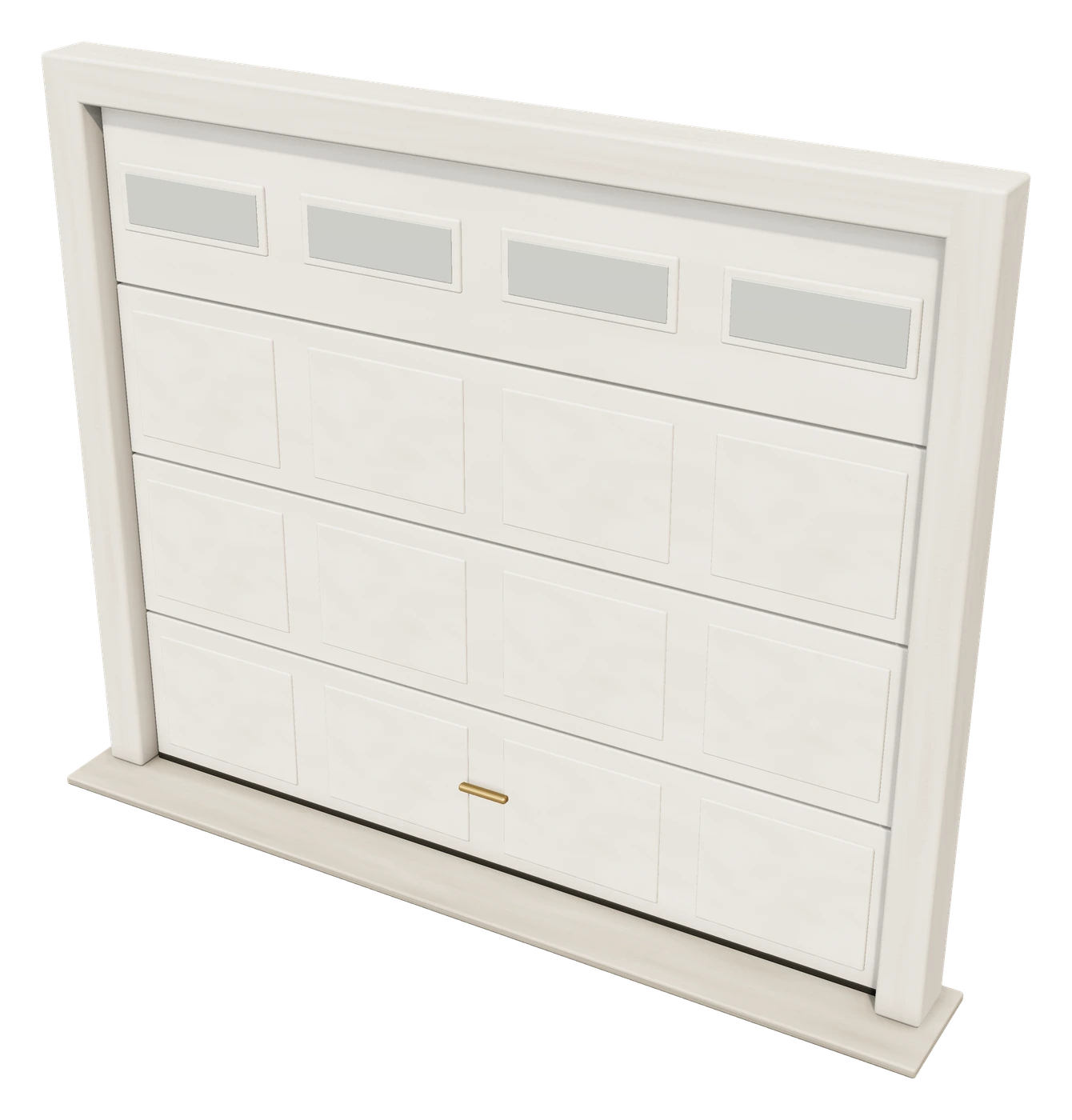
What door installation costs in Chicago
The price table adjusts national installed prices for Chicago. The U.S. Army Corps of Engineers puts construction costs in the Chicago area at 1.20 times the national average, so a door that costs $2,000 to install in an average US city tends to cost more here.
| Job | Chicago (typical range) | US average |
|---|---|---|
| Entry door, installed | $840–$4,200 | $700–$3,500 |
| Double entry doors, installed | $1,800–$7,800 | $1,500–$6,500 |
| Patio sliding door | $1,450–$4,800 | $1,200–$4,000 |
| French doors | $1,550–$6,600 | $1,300–$5,500 |
| Multi-slide or bi-fold door | $6,000–$24,000 | $5,000–$20,000 |
| Garage door | $840–$4,200 | $700–$3,500 |
| Storm door | $480–$1,300 | $400–$1,100 |
| Interior door, installed | $145–$685 | $120–$570 |
| New door frame | $155–$720 | $130–$600 |
Estimates for 2026, including labor and standard parts. Chicago prices use a construction cost factor of 1.20 (US average = 1.00) from the U.S. Army Corps of Engineers Area Cost Factors, based on Great Lakes (NTC), North Chicago. Your quote depends on access, materials and the condition of the home.
The entry door line covers a standard pre-hung door in an existing opening. Material and frame both change the price. A new door frame adds $155 to $720 at Chicago prices, which matters in a city where 75% of homes were built before 1980 and the old casing often comes out with the door.
Things that raise a door quote in Chicago:
- A wider opening. Going from a single door to a double door, or from a slider to a multi-slide wall, means a new header and a plan-based permit.
- Glass. More glass means more of the energy rating to meet and, in some locations, safety glazing.
- A door within 10 feet of a fire escape, or one with fire-rated glass. Those cannot use the city's express permit and need a full review.
- Rotten sill or threshold. Chicago's freeze-thaw cycle and 37.86 inches of yearly precipitation work on the bottom of a door first.
Price your own door with the cost estimator below, which uses the rate for your ZIP code.
Door types for Chicago homes
| Door | Chicago installed price | What to know here |
|---|---|---|
| Entry door, single | $840 to $4,200 | Must meet the Chicago Energy Transformation Code |
| Double entry doors | $1,800 to $7,800 | Usually means a wider opening and a plan-based permit |
| Sliding patio door | $1,450 to $4,800 | Air leakage of 0.3 cfm/ft2 or lower to earn ENERGY STAR |
| French doors | $1,550 to $6,600 | Swing space and a sill that sheds snowmelt |
| Multi-slide or bi-fold | $6,000 to $24,000 | Needs a structural header for the wide opening |
| Garage door | $840 to $4,200 | Federal reversing rule applies to the opener |
| Storm door | $480 to $1,300 | No Chicago building permit needed to install one |
| Interior door | $145 to $685 | Garage-to-house doors have their own fire rules |
Entry doors
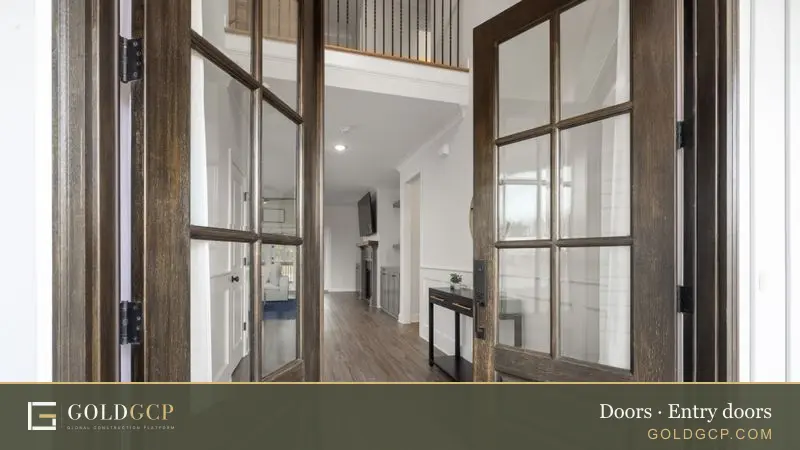
Steel costs the least and handles impact well. Fiberglass resists dents and can look like wood, and wood suits the bungalows and greystones of the older neighborhoods. Our entry doors guide covers materials and hardware. On a dark-colored door facing west, ask what the finish warranty says about sun and salt, because the summer sun here reaches 90°F or more on about 17 days a year.
Patio, French and multi-slide doors
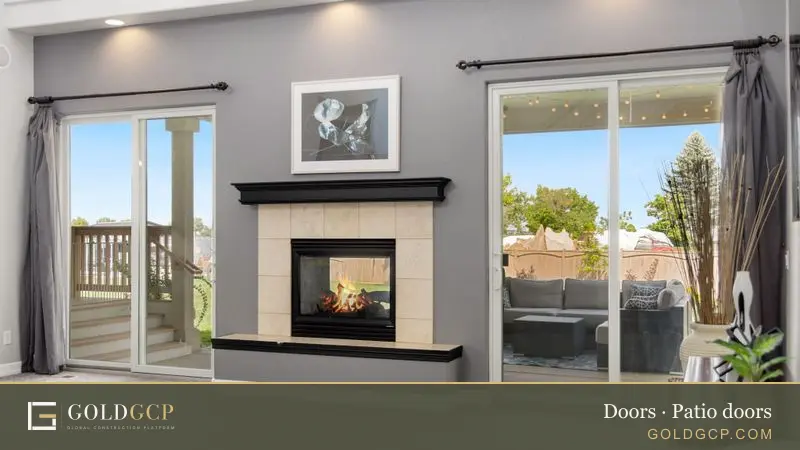
A sliding door saves floor space, French doors give a wide traditional opening, and multi-slide or bi-fold doors can open most of a wall. Compare them in our guides to patio doors, French doors and multi-slide doors. Chicago gets 38.4 inches of snow a year, 11.3 of it in January, and the Groundhog Day Blizzard of 2011 dropped 21.2 inches at O'Hare with 70 mph gusts on the lakefront (NWS Chicago). A wide door with a flush threshold needs a sill pan and flashing that can handle drifting snow and a fast melt. Ask how the installer will handle water at the bottom of the opening.
Garage doors
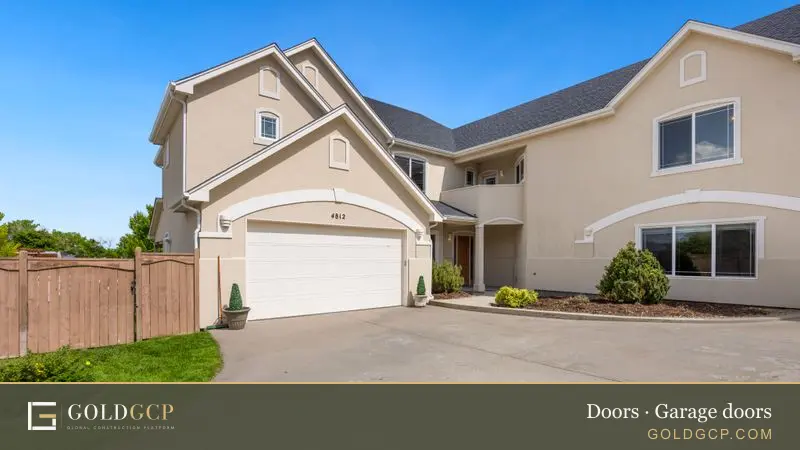
A garage door replacement usually pays back at resale. Our garage doors guide covers materials and openers. Two safety rules apply to every opener sold in the US, covered below. The door between an attached garage and the house is a fire separation.
Cold, wind and the energy code
What the code requires
New windows, doors and skylights installed in Chicago must meet the minimum energy efficiency requirements of the Chicago Energy Transformation Code (City of Chicago). The express permit application for a door replacement must include at least one existing-condition photograph and an energy and water efficiency compliance form. The form is where the door's ratings get checked, so ask your installer for the NFRC label before the permit goes in.
ENERGY STAR for a Chicago door
Chicago sits in IECC climate zone 5A, the "Cold" zone, along with Cook and DuPage counties in Illinois and Porter County in Indiana (DOE). For a glazed door in the northern climate zones, ENERGY STAR requires a solar heat gain coefficient of 0.40 or lower (ENERGY STAR Version 6.0). Air leakage matters as much as glass in a Chicago winter. A qualifying sliding door must rate 0.3 cfm/ft2 or lower, and a swinging door 0.5 cfm/ft2 or lower. A door shows it meets the air leakage rule by displaying 0.5 or less on the NFRC temporary label, or by carrying an AAMA Gold Label or a comparable NAFS certification label.
Installing certified doors can shrink heating and cooling bills by an average of up to 13% nationwide compared with non-certified products (ENERGY STAR). The federal tax credit that once covered exterior doors ended for doors placed in service after December 31, 2025 (IRS), so do not count on it.
Why a storm door pays here
Chicago averages 121 days a year with a low at or below 32°F, 43 days that stay at or below freezing all day, and 6.5 nights at 0°F or colder (NWS Chicago). A storm door adds a dead-air layer and takes the weather that would otherwise hit the entry door's finish and weatherstripping. It is also the cheapest door project at $480 to $1,300 installed, and the City of Chicago does not require a building permit to install, maintain or remove a storm window or door (City of Chicago).
Glass in doors: safety glazing
Glass in a swinging, sliding or bifold door is a hazardous location under the residential code, so it must be tempered or laminated safety glass. Glass within 24 inches of either side of a door, with its bottom edge less than 60 inches above the floor, also needs safety glass. Sidelights next to an entry door usually fall under that second rule. Ask the installer to show the tempering mark on each panel before it goes in.
Garage door rules
Auto-reverse
Federal rules require automatic residential garage door openers to meet entrapment protection standards, so the door stops and reverses. After installation, the installer should test the reversing function and the photo eyes in front of you. Ask for that test before you sign off on the job.
The door between the garage and the house
The door from an attached garage into the house is a fire separation. The code allows a solid wood or steel door at least 1 3/8 inches thick, or a 20-minute fire-rated door, and it must be self-closing and self-latching. No door may open from a garage straight into a bedroom. A hollow-core interior door does not qualify, so check this when you replace it.
Springs
Torsion and extension springs are under heavy tension. They are the most dangerous part of a garage door to touch, and a spring that breaks with the door up can drop it. Leave spring work to the installer, and ask whether the new springs carry a cycle rating.
Do you need a permit for a new door in Chicago?
In the City of Chicago, the permit depends on the door and the building. A building permit is not required to repair damage to an existing exterior door in any building, or to replace glass in an existing door frame (City of Chicago). In a residential building up to 4 stories above grade, or an accessory building like a garage on the same lot, no permit is required to repair or replace in kind an exterior door in the existing opening. In-kind means new material of the same type, size and shape. Removing and replacing an interior door, with or without the frame, needs no permit if it is not required to have a fire-resistance rating.
| Job | What to expect in the City of Chicago |
|---|---|
| Swap a door in the same opening, same type, home up to 4 stories | No building permit |
| Replace glass in an existing door frame | No building permit |
| Install a storm door | No building permit |
| Replace an exterior door in a building up to 7 stories, same type | Express Permit Program, with a photo and the energy compliance form |
| Work in a building taller than 7 stories | Drawings by an Illinois-licensed architect or structural engineer |
| Cut a new opening in an exterior wall | Not eligible for the express program; plan-based permit |
| Door with fire-rated glass, or within 10 feet of a fire escape | Not eligible for the express program |
| Condominium property | Condominium association approval letter required |
The Express Permit Program covers replacing doors, windows and skylights in existing exterior wall and roof openings (City of Chicago). It covers a same-type exterior door in a building up to 7 stories. It does not cover a new opening, a door with fire-rated glass, a door within 10 feet of a fire escape, or, in a building over 3 stories, a window within 2 feet of a lot line. Any work done without a permit under the exemption still has to meet the Chicago Construction Codes.
Two more local rules apply. These permit exceptions may not apply to a proposed or designated Chicago Landmark or a property in a Chicago Landmark district, so check before you order a door for a landmark building. And work involving lead-based paint may require filing a Lead-based Paint Renovation, Repair and Painting Form with the Chicago Department of Public Health before work starts.
The suburbs and Northwest Indiana
Each suburb runs its own building department and fee schedule, so there is no single DuPage County or Will County permit. Naperville, Wheaton, Downers Grove, Plainfield and the rest process their own (SilverBullet). Naperville requires a permit before construction projects such as additions and remodeling, posts the permit at the work site, and asks for inspections at least 72 hours ahead (City of Naperville). Simple projects there can be reviewed in less than a week. In Oak Park, a project that needs a building permit on a historic landmark or in a historic district generally needs a Certificate of Appropriateness from the Historic Preservation Commission, and most applications are reviewed by staff within five business days (Village of Oak Park). Oak Park has three historic districts, including the Frank Lloyd Wright-Prairie School of Architecture Historic District (ACHP).
In Northwest Indiana, the 2020 Indiana Residential Code, based on the 2018 IRC with Indiana amendments, governs one- and two-family dwellings (Indiana DHS). Permits come from the city, town or county building department. Unincorporated Lake County licenses contractors through its own board, with liability insurance of at least $500,000 per occurrence (Lake County).
Lead paint around old door frames
Chicago's housing is old: 75.2% of the city's homes were built before 1980, and the median year built is 1953 (Census Reporter). Oak Park is older still, at 86.1% before 1980 and a median year of 1938. Under the EPA's Renovation, Repair and Painting rule, paid work that disturbs painted surfaces in a pre-1978 home needs a certified firm and lead-safe practices (EPA). All contractors must give the homeowner a brochure before beginning a window, door or skylight replacement (ENERGY STAR). Pulling an old frame and its casing often disturbs more than the limit allows, so ask for the firm's EPA certification number.
How to check a door installer before you hire
Illinois has no statewide general contractor license, so licensing is local and works differently in each part of the metro.
- City of Chicago. A City of Chicago general contractor license is required for most building construction, alteration and repair work in the city (Chicago DOB). There are five classes, A to E, set by project value and insurance. Class E covers projects up to $500,000 and requires $1 million per occurrence in insurance. The license is valid one year and is automatically inactivated if the insurance policy expires. Check it in the DOB contractor license lookup at webapps1.chicago.gov.
- Suburbs. Many suburbs require their own contractor registration. Des Plaines, for example, registers contractors, lists windows and doors in its "Other" contractor category, and expires every registration on December 31 (City of Des Plaines). Ask the village or city building department what it requires before you sign.
- Northwest Indiana. Indiana has no statewide general contractor license. Lake County licenses contractors for unincorporated areas, and cities such as Gary, Hammond and Valparaiso register through their own building departments.
Then check the contract terms. Illinois law requires a written contract for home repair or remodeling work over $1,000, stating the total cost, parts and materials, any estimate charge, and the business name and address (815 ILCS 513). The Act covers installing storm doors and windows. Before signing, the contractor must tell you about any binding arbitration clause or jury trial waiver, and you can accept or reject each one. In Indiana, home improvement contracts over $150 must be in writing, and the Attorney General advises paying no more than one third of the total as a down payment (Indiana AG).
Put these five things in writing:
- The door brand, material, glass type and NFRC ratings, and whether it is pre-hung.
- Who pulls the permit, and whether the price includes a new frame, sill pan and trim.
- For a garage door, that the installer tests the auto-reverse and the photo eyes.
- For a pre-1978 home, the EPA certified firm number.
- The payment schedule, tied to stages you can see.
Every installer in the GOLDGCP network passes six-step vetting: state license verification, an insurance check, a background and business check, a portfolio review, client reference calls, and onboarding with a quality score. You pay your pro directly, stage by stage, each payment after you approve that milestone. Read more about how milestone payments work.
Areas we cover
GOLDGCP door installers work across the Chicago metro in Illinois and Northwest Indiana:
- Chicago
- Evanston
- Naperville
- Schaumburg
- Oak Park
- Aurora
- Joliet
- Northwest Indiana, including Lake and Porter counties
Enter your ZIP code to see door prices and get matched with a local installer.
How GOLDGCP works
- Tell us about the door: entry, patio or garage, the size of the opening, and whether you want to widen it. Use the form, call or send a WhatsApp message.
- See prices for your ZIP code, then get matched with up to 3 vetted, licensed installers.
- Your installer measures, confirms the energy ratings and any historic review, and pulls the permit.
- You pay by milestone, for example after the door is delivered and after the final inspection, and follow the job in the client portal.
If you are replacing windows at the same time, see our Chicago window replacement guide and our guide to energy-efficient windows. If a wider opening needs drawings, our Chicago architecture page covers permit drawings and structural coordination.
Frequently asked questions
How much does door installation cost in Chicago?
An entry door costs about $840 to $4,200 installed in Chicago, double entry doors $1,800 to $7,800, a sliding patio door $1,450 to $4,800 and French doors $1,550 to $6,600. A garage door runs $840 to $4,200, and a storm door $480 to $1,300. A new frame adds $155 to $720.
Do I need a permit to replace a door in Chicago?
In a Chicago home up to 4 stories, replacing an exterior door in kind in the existing opening needs no building permit. Glass replacement and an interior door that is not fire-rated also need no permit. A same-type door in a building up to 7 stories can use the Express Permit Program, which needs a photo and an energy compliance form.
Does a glass door need tempered glass in Chicago?
Yes. Glass in a swinging, sliding or bifold door is a hazardous location under the residential code, so it must be tempered or laminated safety glass. Glass within 24 inches of either side of a door, with its bottom edge less than 60 inches above the floor, usually needs it too.
What door rating do I need for a Chicago winter?
Chicago is in IECC climate zone 5A. For a glazed door, ENERGY STAR requires a solar heat gain coefficient of 0.40 or lower, air leakage of 0.3 cfm/ft2 or lower for a sliding door and 0.5 or lower for a swinging door. The Chicago Energy Transformation Code sets the minimum the city enforces.
What door is required between the garage and the house?
A solid wood or steel door at least 1 3/8 inches thick, or a 20-minute fire-rated door, self-closing and self-latching. No door may open from a garage straight into a bedroom. A standard hollow-core interior door does not meet the rule.
Do I need historic review for a new front door in Oak Park?
If the building permit is for a historic landmark or a property in a historic district, Oak Park usually requires a Certificate of Appropriateness from the Historic Preservation Commission. Most applications are reviewed by staff within five business days, and a full commission review takes about thirty days.
What license does a door installer need in Chicago?
In the City of Chicago, a door installer working under a general contractor needs a City of Chicago general contractor license. The license comes in five classes by project value. The suburbs and Northwest Indiana set their own registration rules. Illinois has no statewide general contractor license, so check with the local building department.
How we calculate these prices
GOLDGCP starts from national price ranges for each job, taken from published 2026 cost guides and checked against local price guides where they exist. To get a local price, we multiply the national range by the construction cost factor for the metro from the U.S. Army Corps of Engineers Area Cost Factors (US average = 1.00). Where that table has no entry for a metro, we use the nearest listed location or the state value. For ZIP codes outside the 50 largest metros, the cost estimator uses the state's price level from the Bureau of Economic Analysis Regional Price Parities. Ranges include labor and standard materials but not unusual site conditions, so a written quote after an inspection is always the final price.
Sources
- National Weather Service · National Weather Service
- City of Chicago · Exterior Window or Door Replacement
- energy.gov
- ENERGY STAR · ENERGY STAR
- ENERGY STAR · ENERGY STAR
- irs.gov
- National Weather Service · National Weather Service
- City of Chicago · Full List
- federalregister.gov
- SilverBullet Inc.
- City of Naperville
- Village of Oak Park Historic Preservation Commission
- Advisory Council on Historic Preservation
- secure.in.gov
- lakecountyin.gov
- Census Reporter
- U.S. EPA
- City of Chicago Department of Buildings
- webapps1.chicago.gov
- City of Des Plaines, IL
- Illinois General Assembly
- in.gov
- U.S. Army Corps of Engineers
- U.S. Bureau of Economic Analysis

About this guide
Written by the GOLDGCP editorial team. Prices come from national cost guides adjusted with official construction cost factors for Chicago; rules and statistics come from the agencies and reports linked in the text. We update this page when prices or codes change.