
The short answer
A licensed electrician in Atlanta charges $43 to $110 an hour, plus a service call of $85 to $170. A 200-amp panel upgrade runs about $1,100 to $2,400, and a Level 2 EV charger $640 to $2,200 installed. The utility sets how a service upgrade and interconnection work. That is Georgia Power, an EMC or a city system like Marietta Power.
What electricians cost in Atlanta
The table covers labor and standard materials for a single-family home. The figures start from national cost data with the Atlanta factor of 0.85 from the U.S. Army Corps of Engineers Area Cost Factors applied, which puts construction costs here about 15% below the US average.
| Job | Atlanta (typical range) | US average |
|---|---|---|
| Hourly rate (licensed electrician) | $43–$110/hr | $50–$130/hr |
| Service call | $85–$170 | $100–$200 |
| Small repair, outlet or switch | $130–$340 | $150–$400 |
| Replace an outlet with a GFCI | $77–$170 | $90–$200 |
| New GFCI outlet | $130–$300 | $150–$350 |
| Ceiling fan installation | $130–$300 | $150–$350 |
| Light fixture or chandelier | $185–$2,900 | $220–$3,400 |
| Dedicated circuit | $215–$765 | $250–$900 |
| EV charger installation | $640–$2,200 | $750–$2,600 |
| Panel upgrade to 200 amps | $1,100–$2,400 | $1,300–$2,800 |
| Rewiring or grounding a house | $1,700–$8,500 | $2,000–$10,000 |
| Electrical permit | $43–$300 | $50–$350 |
Estimates for 2026, including labor and standard parts. Atlanta prices use the metro's construction cost factor of 0.85 (US average = 1.00) from the U.S. Army Corps of Engineers Area Cost Factors. Your quote depends on access, materials and the condition of the home.
Small jobs, like swapping a switch or adding a GFCI outlet, cost the service call plus about an hour of labor. A panel upgrade takes most of a day on site. The permit office and the utility set the rest of the schedule, since a new service means a new meter and a reconnect.
Use the cost estimator to get a figure for your ZIP code and your job.
Georgia Power, an EMC or a city system
Georgia homes cannot choose an electric supplier. The Georgia Public Service Commission regulates Georgia Power, which serves about 2.7 million customers in 155 of the state's 159 counties. The PSC has limited authority over the state's 41 electric membership corporations and 52 municipal electric systems. Retail choice exists only for manufacturing or commercial loads of 900 kW or more, so a house stays with the utility that serves its street.
| Where you live | Electric utility |
|---|---|
| Most of Atlanta, Sandy Springs, Decatur, Alpharetta and Roswell | Georgia Power (check your bill) |
| Parts of Cobb, Forsyth, Gwinnett and other outer counties | An EMC such as Cobb EMC, Sawnee EMC or Jackson EMC |
| City of Marietta | Marietta Power, the city's own electric system |
| City of Lawrenceville | City gas system; power from Georgia Power or an EMC (check your bill) |
A new panel, a meter change, a generator or a solar system needs the utility's approval as well as a city or county permit. Two neighbors on either side of a city line can face different paperwork for the same job. Check the name on your power bill before you collect quotes, and tell the electrician which utility you have.
Panel upgrades for EV chargers and heat pumps
Housing age drives much of the panel work here. The City of Atlanta's housing stock has a median year built of 1989, and 42.7% of its units went up before 1980, according to Census Reporter. Decatur is older still, with a median year built of 1975 and 53.9% of units before 1980. A panel sized for a house with no car charger and no heat pump may need replacing before either can be added.
Georgia's electrical code is the 2023 National Electrical Code with Georgia amendments, which took effect January 1, 2025, per the Georgia Department of Community Affairs. The 2026 Georgia amendments to that code took effect January 1, 2026. Electricians working in Atlanta in 2026 wire to the 2023 NEC.
What a service upgrade involves
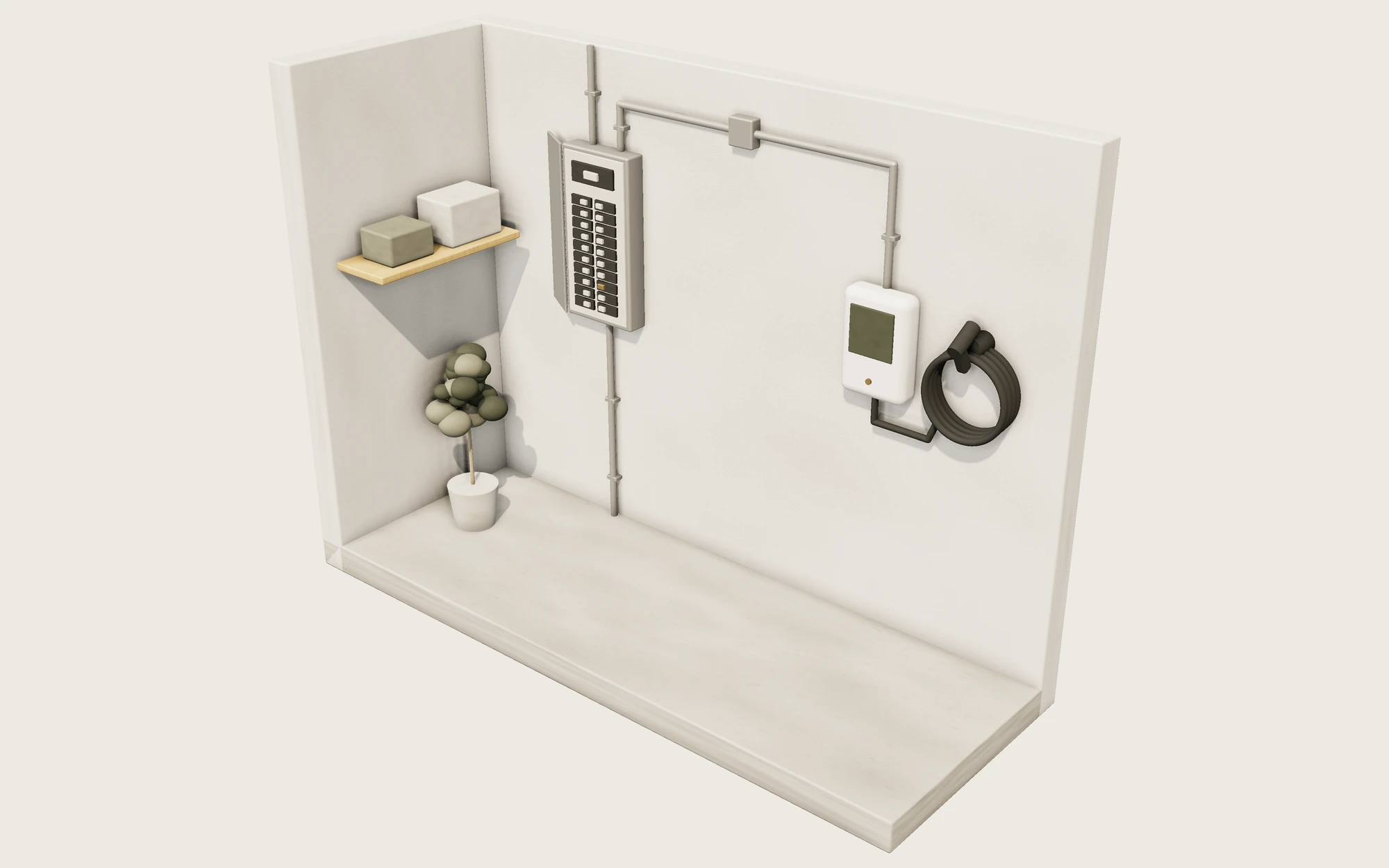
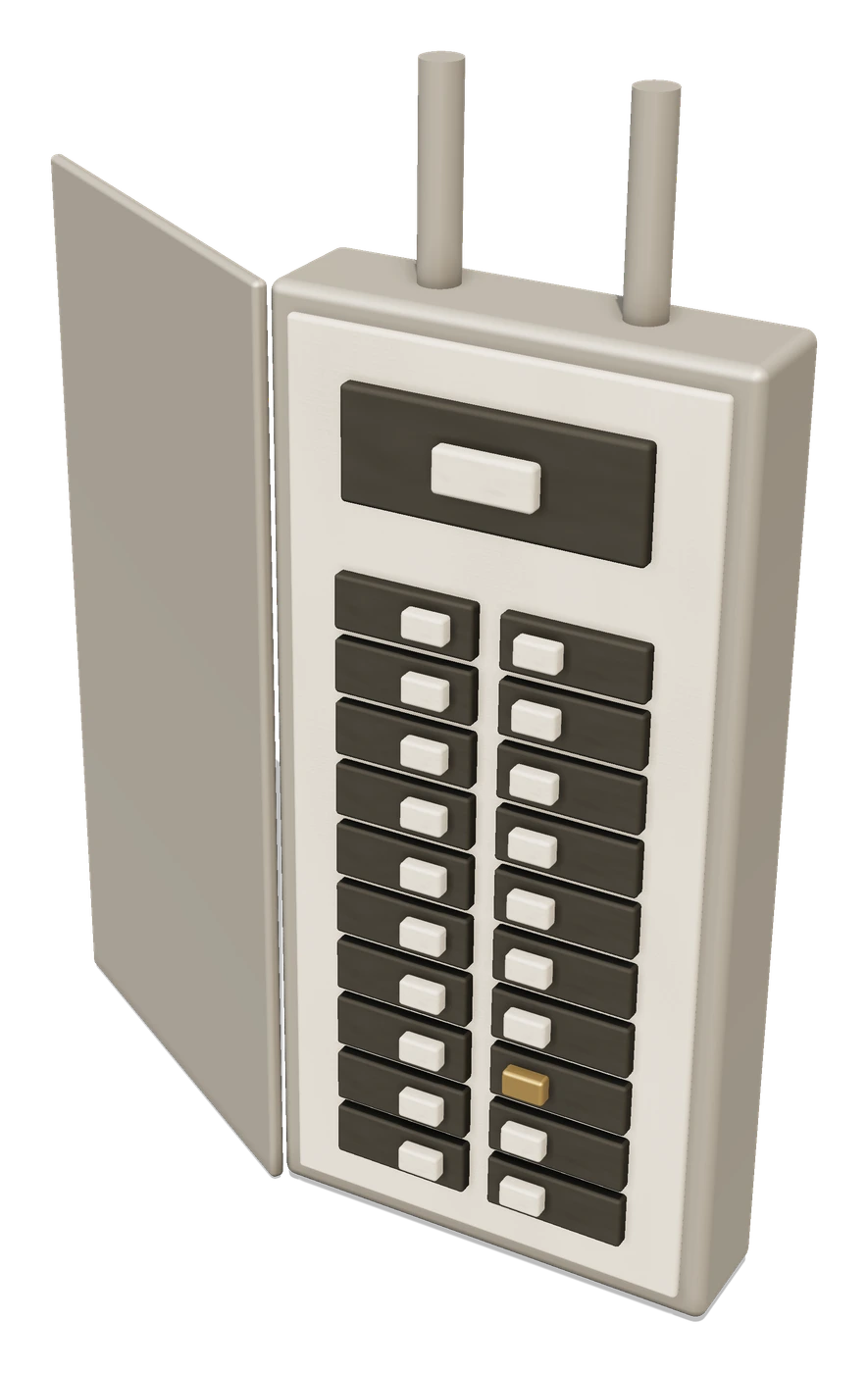
A 200-amp upgrade means a new panel, a new service mast or lateral, grounding and bonding to current code, and a call to the utility to disconnect and reconnect. In the City of Atlanta the electrician pulls the electrical permit through the Accela Citizen portal, and the Office of Buildings inspects. In Marietta, only the licensed professional can apply for an electrical permit. The city's homeowner permit page says homeowners cannot apply for mechanical, electrical or plumbing permits.
Rebates and credits in 2026
| Program | Who qualifies | Status |
|---|---|---|
| Georgia Home Energy Rebates (HEAR) | Income-qualified households | Paused; set to reopen in October 2026 with limited measures, only electrical wiring and panel upgrades done with an eligible Home Efficiency Rebate project |
| Georgia Power Home Energy Improvement Program | Georgia Power residential customers | Rebates exist for items such as heat pumps and insulation; per-item amounts were not verified |
| Federal 25C home improvement credit | Homeowners | Ended for property placed in service after December 31, 2025 |
| Federal 30C EV charger credit | Homeowners | Ended for property placed in service after June 30, 2026 |
Sources: Georgia Energy Rebates, IRS. Check the HEAR status before you count on it, and do not subtract the federal credits from a 2026 quote.
Solar and batteries in Atlanta
Georgia Power customers who add solar go through the utility's interconnection process, and the PSC sets the rules for how exported power is credited. Georgia has no retail choice for homes, so homeowners cannot shop for a better solar rate. Every grid-tied system needs a utility application and a city or county electrical permit. DeKalb County's permit page notes that solar installations must comply with zoning, building and safety rules, and the county reviews plans through ProjectDox.
The federal credit for home solar and batteries (Section 25D) ended for spending after December 31, 2025, so a 2026 quote should not subtract it. Ask the installer who files the interconnection paperwork and who pulls the permit. For the plumbing side of a heat pump water heater, see our Atlanta plumbing guide.
Do you need a permit?
Yes, for almost anything beyond replacing a fixture or device. The rules differ by jurisdiction, so check the parcel first.
City of Atlanta. All permit types go through the Accela Citizen portal, except Express permits, which are accepted only in person, per ATL311. The minimum application fee is $175, including a $25 technology fee, and permits needing plan review pay 50% of the total building permit fee up front. The city's list of work exempt from a permit includes replacing existing outlets and fixtures and low-voltage systems such as alarms and garage door openers. In a landmark or historic district, that exemption does not cover exterior work.
Marietta. An electrical permit is required for all work done on electrical systems, per the city's permits page. All permits are submitted online through SagesGov. Residential fees are $5 per $1,000 of total construction cost, with a $50 base fee and no plan review fee.
Cobb County (unincorporated). Trade permits for electrical, plumbing, HVAC and gas cost $80, plus a $15 technology fee, per the county's 2024 fee schedule. Building without a permit first is penalized at double the permit fee, up to a maximum of $1,000. A power reconnect under Power Use Only costs $80.
DeKalb County (unincorporated). Electrical permits must be submitted by a licensed electrical contractor, per the county's permits page. Homeowners doing work on their primary residence instead of hiring a contractor submit a Homeowner's Affidavit. If the project is inside an incorporated DeKalb city, the city's permitting office handles it, not the county.
Gwinnett County (unincorporated). No permit is needed for replacing a switch, fan, light fixture or similar work that does not alter MEP systems, per Gwinnett Planning and Development. Applications and inspection requests go through the county's ZIP Portal.
City of Lawrenceville. Planning and Development issues permits for electrical, mechanical, occupancy, plumbing and structural work through the Licensing, Permits, and Plans Portal, per the city's building permits page.
Sandy Springs. A Residential Building Permit is required whenever an owner constructs, alters, enlarges or repairs a building or accessory structure, per the city's residential permit page. Permits may be obtained by licensed pros or by property owners for their current permanent residence.
Alpharetta and Roswell issue their own permits. Confirm the fee schedule with each city before you sign.
How to check an electrician before you hire
Georgia licenses electrical contractors through the Georgia State Board of Electrical Contractors, under the Secretary of State's Professional Licensing Boards Division. The board has two classes.
Class I is restricted to single-phase installations that do not exceed 200 amperes at the service drop or service lateral. Class II is unrestricted.
Applicants must be at least 21, document at least four years of primary electrical experience and score 70 on the exam, per Ga. Comp. R. & Regs. 121-3-.01. A company may do electrical contracting only if a licensed person is regularly connected with it full time, under O.C.G.A. 43-14-8(f).
Before you sign, take these steps.
- Look up the license number on the Secretary of State's verification site. Check that the name matches and the status is active.
- Confirm the class fits your job. A Class I contractor cannot take on a service over 200 amps.
- Ask for the certificate of insurance and check that workers' compensation is on file if the company has employees.
- Get a written price that lists the permit as its own line and says who files the utility paperwork.
A handyman without an electrical license cannot take on electrical contracting. Georgia's homeowner exemption in O.C.G.A. 43-14-13(d) lets you work on wiring in a home you own and occupy, but the work must still meet code and pass inspection, and many cities will not issue an electrical permit to a homeowner. A new circuit, a panel, a charger or solar all need permits, so they need a licensed electrical contractor.
You can file a complaint with the state about licensed or unlicensed electrical work through the board's complaint process. For payment terms, see our guide to payment protection.
Common electrical jobs in Atlanta homes
| Job | Atlanta price range | Permit and utility steps |
|---|---|---|
| New GFCI outlet | $130 to $300 | Usually no utility involvement |
| Ceiling fan installation | $130 to $300 | Permit if new wiring is run |
| Dedicated circuit | $215 to $765 | Permit; space in the panel |
| Level 2 EV charger | $640 to $2,200 | Permit; utility approval if the service changes |
| Panel upgrade to 200 amps | $1,100 to $2,400 | Permit; utility disconnect and reconnect |
| Rewiring or grounding a house | $1,700 to $8,500 | Permit; inspections at rough-in and final |
| Solar or solar plus battery | Quoted per system | Permit plus utility interconnection |
Atlanta's climate puts a heavy load on a panel. The metro averages 47.1 days a year at 90°F or hotter and 2,051 cooling degree days, according to NOAA NCEI normals, so air conditioning runs hard for months. The metro also has about 36 freezing nights a year, which matters for outdoor wiring and heat pump equipment.
Areas we cover
GOLDGCP electricians work across the Atlanta metro:
- Atlanta
- Marietta
- Alpharetta
- Sandy Springs
- Decatur
- Roswell
- Lawrenceville
Type your ZIP code below to see whether a vetted electrician covers your street.
How GOLDGCP works
- Tell us about the job through the form, by phone or on WhatsApp, and mention your utility and your panel size if you know it.
- We match you with up to 3 vetted, licensed electricians and show prices for your ZIP code before anyone visits.
- The electrician you pick pulls the permit from your city or county and coordinates with your utility.
- You pay in milestones, each one after you approve that stage, and the last after the final inspection.
For a burning smell, sparking, a downed line or a panel that buzzes, use the 24/7 emergency line at the top of the page. For a plumbing emergency, see our Atlanta plumbing guide.
Frequently asked questions
How much does an electrician cost per hour in Atlanta?
A licensed electrician charges $43 to $110 an hour, plus an $85 to $170 service call. Rates here run about 15% below the national average. Evening, weekend and holiday calls cost more, and jobs that need a permit add the city or county fee.
How much does a panel upgrade cost in Atlanta?
Upgrading to 200 amps costs about $1,100 to $2,400 here. The utility may also need to disconnect and reconnect the service, and Cobb County charges $80 for a power reconnect. Georgia's HEAR rebates, when they reopen, may cover panel upgrades done with an eligible efficiency project.
Do I need a permit to install an EV charger in Atlanta?
Yes, in most of the metro. The City of Atlanta, Marietta, Cobb County, DeKalb County and Lawrenceville all require an electrical permit for new wiring. Gwinnett County exempts replacing a fixture but not new wiring. Ask the electrician to list the permit as its own line on the estimate.
Can a homeowner pull an electrical permit in Atlanta?
State law lets you work on wiring in a home you own and occupy, but many cities will not issue an electrical permit to a homeowner. Marietta says homeowners cannot apply for electrical permits and the licensed professional must. DeKalb County requires electrical permits to be submitted by a licensed electrical contractor.
What license does an electrician need in Georgia?
An electrical contractor license from the Georgia State Board of Electrical Contractors. Class I covers single-phase work up to 200 amps. Class II is unrestricted. Look the license up on the Secretary of State's verification site and check that the class fits your job.
Is there still a federal tax credit for EV chargers or solar?
Not for new work. The federal EV charger credit ended for equipment placed in service after June 30, 2026, and the residential solar and battery credit ended for spending after December 31, 2025. Georgia's HEAR rebates are paused and set to reopen in October 2026 with limited measures.
Who do I call for a power outage or a downed line in Atlanta?
Call Georgia Power at 1-888-891-0938 or text OUT to 42687, and call 911 for life-threatening downed wires, fire or injury. If you smell gas, leave first and call Atlanta Gas Light at 877-427-4321 from away from the leak, then 911.
How we calculate these prices
GOLDGCP starts from national price ranges for each job, taken from published 2026 cost guides and checked against local price guides where they exist. To get a local price, we multiply the national range by the construction cost factor for the metro from the U.S. Army Corps of Engineers Area Cost Factors (US average = 1.00). Where that table has no entry for a metro, we use the nearest listed location or the state value. For ZIP codes outside the 50 largest metros, the cost estimator uses the state's price level from the Bureau of Economic Analysis Regional Price Parities. Ranges include labor and standard materials but not unusual site conditions, so a written quote after an inspection is always the final price.
Sources
- psc.ga.gov
- Census Reporter
- Georgia DCA
- City of Marietta
- energyrebates.georgia.gov
- irs.gov
- ATL311
- City of Marietta, GA
- Cobb County Government
- DeKalb County, GA
- Gwinnett County
- City of Lawrenceville
- City of Sandy Springs
- Georgia Secretary of State · Georgia State Board of Electrical…
- Cornell Law School
- Georgia Secretary of State · Georgia Secretary of State
- NOAA
- U.S. Army Corps of Engineers
- U.S. Bureau of Economic Analysis

About this guide
Written by the GOLDGCP editorial team. Prices come from national cost guides adjusted with official construction cost factors for Atlanta; rules and statistics come from the agencies and reports linked in the text. We update this page when prices or codes change.