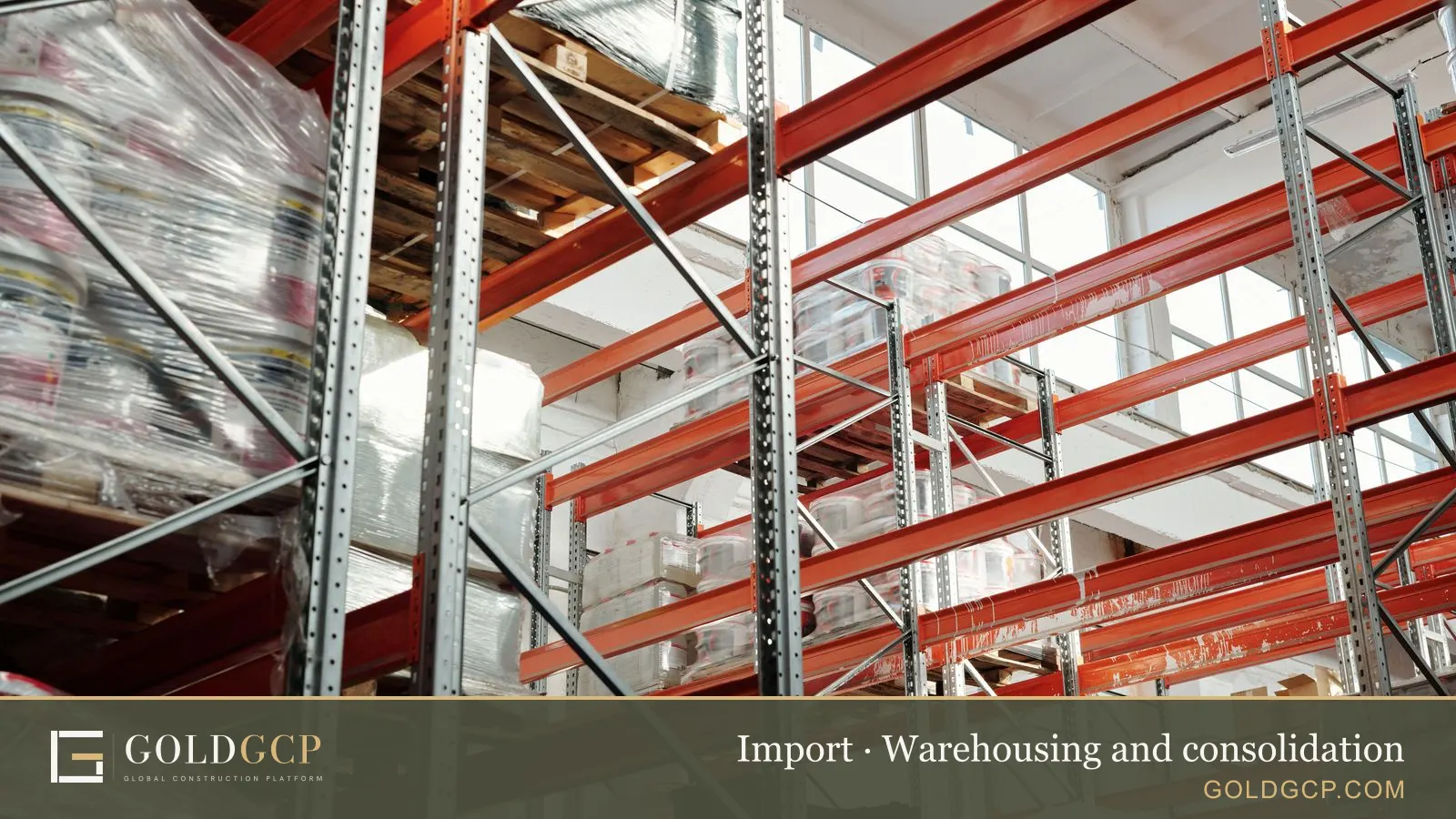
How do you consolidate and store imported building materials?
Quick answer
Consolidation means collecting goods from several overseas factories at one origin warehouse and loading them into a single container. On arrival, materials can sit in a bonded warehouse with duty deferred for up to 5 years, or in a regular warehouse after duty is paid, until the jobsite is ready.
| Job | US average (typical range) | Typical |
|---|---|---|
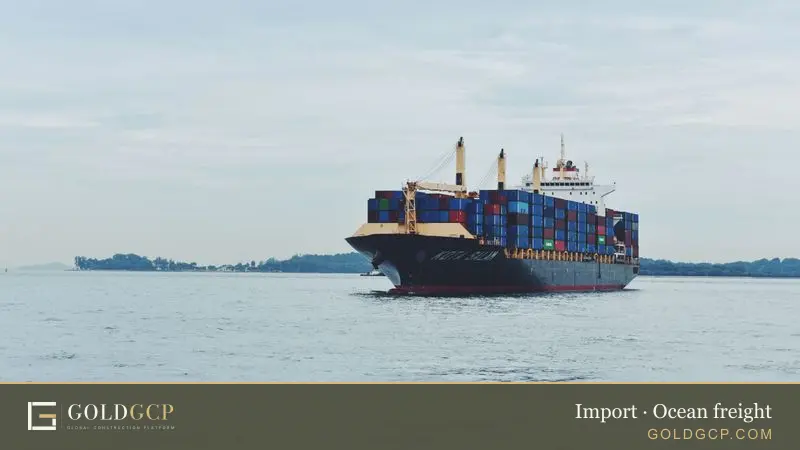
| 20 ft container freight (estimate) | $3,000–$5,500 | $4,200 |
| 40 ft container freight (estimate) | $4,000–$7,500 | $5,500 |
| Shared container (LCL) freight | $900–$2,000 | $1,400 |
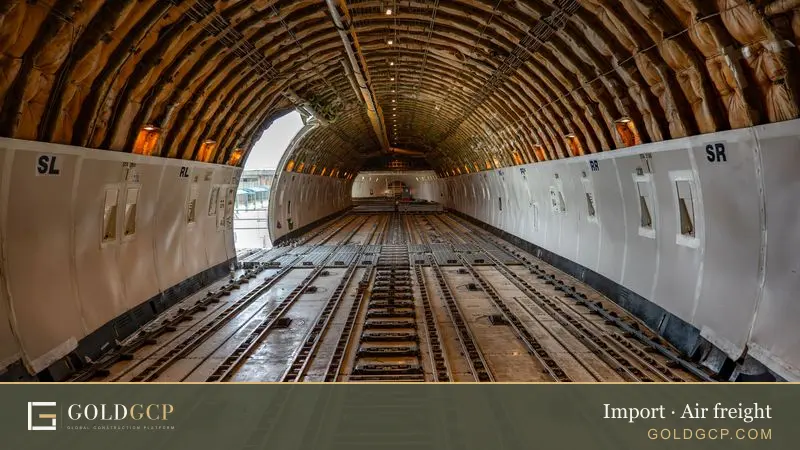
| Air freight | $3,000–$9,000 | $6,000 |
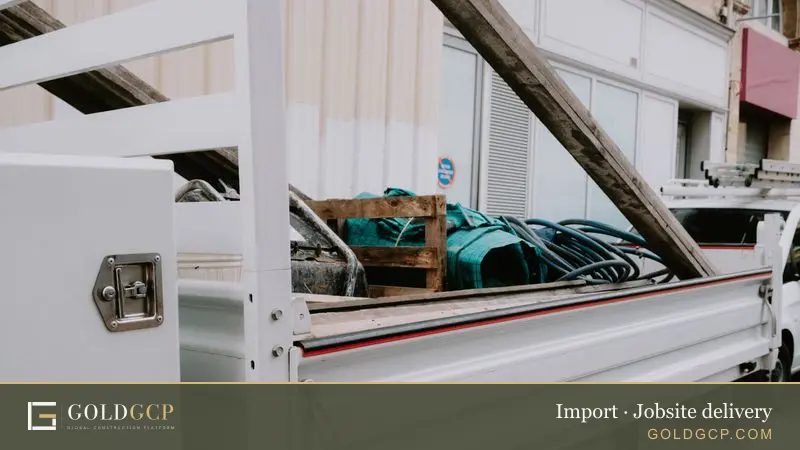
| Inland delivery to the jobsite | $350–$1,500 | $750 |
US national averages for 2026, labor and standard materials included, from published cost guides (sources at the end of this page). Local prices differ: see the city table below, or enter your ZIP code in the calculator.
The figures above are working estimates for freight and delivery. Storage is priced separately by each warehouse, so this page explains what drives that cost instead of quoting one number.
Why consolidation matters on a building project
A single home or small multifamily job might pull windows from one factory, tile from a second, quartz from a third and light fixtures from a fourth. Shipped one by one, each order pays its own freight minimums, its own customs entry, its own port charges and its own delivery truck. Each also arrives on a different day, which makes it hard for the site crew to plan.
Consolidation solves that by bringing the separate orders together before they cross the ocean. The benefits are practical:
- One container instead of several shared-container (LCL) bookings, which usually lowers freight per cubic meter.
- One Importer Security Filing and one customs entry instead of several.
- One inspection point where goods can be counted, checked and repacked.
- One delivery date, so the crew unloads everything in one session.
The tradeoff is time. The container waits until the slowest supplier delivers. If one factory runs three weeks late, every item in the box waits with it, unless you agree in advance to ship the late item separately.
How origin consolidation works
- Set the cutoff. Agree on the date each supplier must deliver to the consolidation warehouse, working back from the vessel booking.
- Send delivery instructions. Each factory gets the warehouse address, labeling rules and a reference number so cartons can be matched to the right order.
- Receive and check. The warehouse counts cartons, notes visible damage and measures volume and weight. This is a good moment for the quality inspection if it was not done at the factory.
- Plan the load. Heavy, dense items such as tile and stone go on the floor and over the axles. Lighter, fragile items such as fixtures and glass go on top or are braced separately.
- Stuff and seal. The container is loaded, photographed and sealed. The seal number goes on the shipping documents.
- Report ISF data. The container stuffing location and the consolidator name and address are two of the ten ISF data elements, and CBP wants the manufacturer, origin country and tariff number linked for each line item.
Good labels save money later. Mark every carton with the supplier, the product code, the room or unit it is meant for, and a piece count such as "carton 4 of 12." At the US end, that lets the crew sort the load without opening boxes.
How much fits in a container
Volume and weight both limit a container, and building materials often hit the weight limit first.
| Container | Approximate internal volume | Example maximum payload |
|---|---|---|
| 20 ft dry | 33.2 cubic meters | 28,130 kg (62,016 lb) |
| 40 ft dry | 67.7 cubic meters | 28,750 kg (63,383 lb) |
| 40 ft high cube | 76.3 cubic meters | 28,600 kg (63,052 lb) |
Exact ratings vary by equipment, so check the specific box before planning a load. Notice that the 40 ft high cube has more than twice the volume of a 20 ft container but about the same payload rating. Dense products like porcelain tile, natural stone and quartz slabs can reach the weight limit with much of the space still empty. Light, bulky goods such as cabinets, doors and insulation fill the space long before they reach the weight limit.
That is why mixing products works well. A container of only tile wastes volume. A container of only cabinets wastes weight capacity. Combining a dense product with a bulky one uses more of both.
US road limits also matter. On the Interstate system, the federal gross vehicle weight limit is 80,000 pounds, which includes the truck, chassis and container. A container loaded to its full ocean payload can push a truck over that limit, so a heavy load may need to be planned lighter or split.
Bonded warehouse, general warehouse or foreign trade zone
Once goods land in the US, they need somewhere to wait if the jobsite is not ready. There are three main choices.
| Option | Duty paid | How long goods can stay | Suits |
|---|---|---|---|
| General (duty-paid) warehouse | At entry, before goods arrive at the warehouse | No customs limit | Most projects with a near delivery date |
| CBP bonded warehouse | When goods are withdrawn for use in the US | Up to 5 years from importation | Large orders released in phases, or goods that may be re-exported |
| Foreign trade zone (FTZ) | When goods leave the zone for US commerce | No set customs limit | Importers with steady volume and space in a zone |
General warehouses
A general warehouse handles goods that have already cleared customs and paid duty. Any third-party logistics warehouse can store them, and you are free to move goods in and out as you like. This is the simplest and most common choice for contractors.
Bonded warehouses
A CBP bonded warehouse is a building or secured area where imported goods can be stored without paying duty for up to 5 years from the date of importation. Duty is collected only when goods are withdrawn for consumption in the US. If goods are exported instead, no US duty is owed.
There are eleven classes of bonded warehouse under 19 CFR 19.1. The ones most relevant to building materials are:
- Class 2: a private bonded warehouse used only for the owner's goods.
- Class 3: a public bonded warehouse that stores imported goods for many importers.
- Class 4: bonded yards or sheds for heavy and bulky goods.
- Class 8: a warehouse where goods can be cleaned, sorted or repacked under CBP supervision.
Two rules are easy to miss. First, warehoused goods pay the duty rate in effect when they are withdrawn, not when they arrived. If a tariff rises while your goods sit in bond, you pay the higher rate. If it falls, you pay the lower one. Second, a bonded warehouse adds its own handling and paperwork, so it pays off mainly on large orders released in phases over months.
Foreign trade zones
A foreign trade zone is a secured area under CBP supervision where goods can be admitted without formal entry or duty payment. Duty is paid only when goods leave the zone for the US market, and goods that are re-exported pay none. A zone user can often choose between the duty rate on the imported parts and the rate on the finished product leaving the zone. Zones suit companies with steady import volume more than single projects.
The warehouse you did not choose: general order
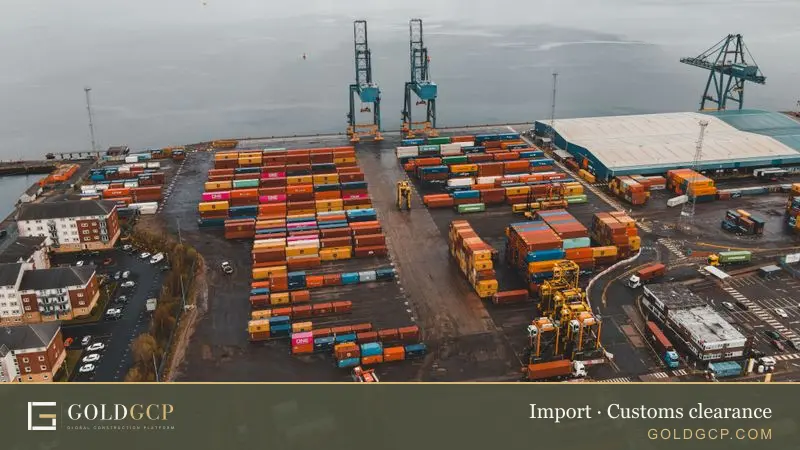
If no customs entry is filed within 15 calendar days after goods land, CBP can send them to general order. That is a bonded warehouse approved to hold unclaimed cargo. Storage charges add up, and goods left there for six months can be sold at public auction. A broker who files on time prevents this.
What drives storage costs
Warehouse pricing differs by market, by operator and by the type of goods. The main cost drivers are the same everywhere.
- Local rent. In the second quarter of 2026, the national average asking rent for US industrial space was $10.32 per square foot per year, with vacancy at 6.9%.
- Space used. Warehouses charge by pallet position, by square foot or by cubic foot. Long, flat items like doors, slabs and trim take more floor space than their volume suggests.
- Handling in and out. Unloading a container, counting, labeling, racking and later picking each carry a fee. Floor-loaded cartons cost more to unload than palletized goods.
- Special handling. Stone slabs need A-frames and careful lifting. Glass and windows need upright storage and protection from tipping. Anything over standard pallet size can need special equipment.
- Time. Monthly storage charges keep running until the goods leave. A project delay of two months can cost more than the original freight savings.
- Insurance. Some warehouses include basic liability. Full replacement value usually needs separate cargo or inventory coverage.
- Port charges if goods are not moved quickly. Demurrage is charged when a container stays at the terminal past its free time, and detention when the empty container is not returned to the carrier on time.
The Federal Maritime Commission tightened billing rules for those port charges in 2024. Ocean carriers and terminal operators must send demurrage and detention invoices within 30 calendar days from when the charges were last incurred, and you have at least 30 days to ask for a waiver or refund. An invoice missing the required information does not have to be paid.
Cross-docking versus storage
Not every container needs to be stored. Cross-docking means unloading a container at a warehouse and reloading the goods straight onto delivery trucks, often the same day. It works well when one container serves several jobsites, or when the site cannot take a full container but can take smaller drops. Cross-docking avoids monthly storage charges, but it still pays handling fees on both sides.
Matching storage to the build schedule
The cheapest plan is usually the one where materials arrive just before the trade that installs them. In practice, that is hard to time from overseas, so many projects use a short storage window as a buffer.
- Rough-in materials such as plywood or framing hardware are needed early.
- Windows and exterior doors are needed once the building is framed and dried in.
- Cabinets, tile, stone and fixtures come later, after drywall.
When one container carries products for different phases, the warehouse can release them in batches. That keeps finished goods like cabinets out of a dusty, unsecured building until the rooms are ready.
How GOLDGCP handles consolidation and storage
Warehousing and consolidation are part of the GCP Source & Ship service, alongside sourcing, factory inspection, shipping, customs clearance and delivery to the jobsite. Orders found through overseas sourcing can be gathered and checked at origin, then loaded for ocean freight, or sent by air freight when an item is small and urgent. Entries are filed through licensed customs brokers, as explained on the customs clearance page. After that, goods can be held or released in batches before jobsite delivery.
You can model freight, duties and fees for a combined order in the landed cost calculator, or start from the import hub. Payment is in milestones, each one after you approve that stage.
Estimate the landed cost of a combined order
Enter the total value of all suppliers' goods, the shipping method and the duty rate to see the full landed cost of one consolidated container.
Frequently asked questions
What is buyer's consolidation?
It is when a buyer has several suppliers deliver to one warehouse near the origin port, where the goods are checked, combined and loaded into a single container. It usually costs less than shipping each order separately and simplifies customs and delivery in the US.
How long can goods stay in a bonded warehouse?
Up to 5 years from the date of importation, under CBP rules. Duty is paid only when goods are withdrawn for use in the US, at the rate in effect on the withdrawal date. Goods exported from the warehouse pay no US duty.
Is a bonded warehouse worth it for a single house?
Usually not. A bonded warehouse adds handling, paperwork and its own fees. It pays off mainly for large orders released in phases over many months, or for goods that may be shipped back out of the country. Most single-home projects use a regular warehouse after customs clearance.
Why did my container of tile fill up so fast?
Tile and stone are dense, so they reach the container's payload limit long before they fill its volume. A 40 ft container has about twice the space of a 20 ft one but nearly the same weight rating. Mixing heavy goods with lighter, bulky items uses the container better.
What are demurrage and detention?
Demurrage is a charge for leaving a loaded container at the port terminal past its free time. Detention is a charge for keeping the carrier's container outside the terminal too long. Federal rules require these invoices within 30 days, and you have at least 30 days to dispute them.
What happens if goods are not cleared within 15 days?
CBP can send them to general order, a bonded warehouse for unclaimed cargo. Storage charges build up, and goods left for six months can be sold at public auction. Filing the entry on time avoids this.
How we calculate these prices
GOLDGCP starts from national price ranges for each job, taken from published 2026 cost guides and checked against local price guides where they exist. To get a local price, we multiply the national range by the construction cost factor for the metro from the U.S. Army Corps of Engineers Area Cost Factors (US average = 1.00). For ZIP codes outside the 50 largest metros, the calculator uses the state's price level from the Bureau of Economic Analysis Regional Price Parities. Ranges include labor and standard materials but not unusual site conditions, so a written quote after an inspection is always the final price.
Sources
- Bonded Warehouse · U.S. Customs and Border Protection
- What Every Member of the Trade Community Should Know About: Entry · U.S. Customs and Border Protection
- About FTZs · International Trade Administration
- 40ft High Cube Container Dimensions and Weight · iContainers
- U.S. Industrial MarketBeat Q2 2026 · Cushman & Wakefield
- FMC Publishes Final Rule on Detention and Demurrage Billing Practices · Federal Maritime Commission
- Commercial Vehicle Size and Weight Program · Federal Highway Administration

About this guide
Written by the GOLDGCP editorial team. Prices come from national cost guides; rules and statistics come from the agencies and reports linked in the text. We update this page when prices or codes change.